
 EN
EN
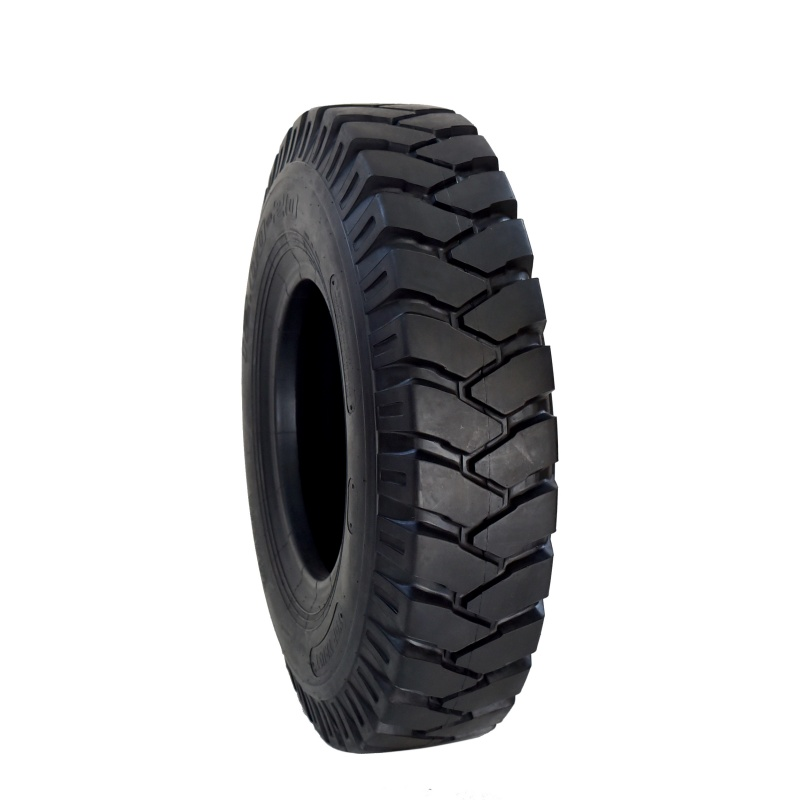
Superior Wet-Weather Performance of Summer Car Tyres
How Silica-Reinforced Compounds and Optimized Groove Design Prevent Aquaplaning
Summer tyres are made with special rubber mixed with silica that stays flexible even when roads get wet, which means better grip without compromising how strong the tyre is overall. The treads have these big grooves going all around them designed specifically to push water away quickly from under the tyre. Tests show they can actually move about 30% more water each second compared to regular tyres during those simulation tests. What this does is keep the part of the tyre touching the road stable while making sure there's always somewhere for water to escape. There are also these small narrow cuts across the treads called sipes that help drain tiny amounts of water too, and interestingly enough, they don't make the main parts of the tread weaker. So drivers still get good handling when turning corners and responsive steering even in wet conditions.
Real-World Evidence: ADAC 2023 Test Shows 12.7m Shorter Stopping Distance at 80 km/h
ADAC, or the Allgemeiner Deutscher Automobil-Club, did some tests that show how much safer summer tires really are. When stopping on wet roads at around 80 km/h speed, these summer tires came to a halt about 12.7 meters sooner than regular all-season tires—that's roughly three car lengths difference. Why does this happen? Well, summer tire treads contain special polymers that stay flexible when temperatures are above 7 degrees Celsius, which means better grip between rubber and road surface. The design of these tires matters too. They have higher void ratios in those outer shoulder areas, so they actually push away water better when drivers need to brake suddenly in rainy conditions. This helps prevent accidents where water gets trapped underneath the tire during emergencies.
Enhanced Dry-Traction and Handling with Summer Car Tyres
Higher Lateral Grip on Hot Asphalt: 38% Improvement Over All-Season Tyres
Summer tires really shine when it comes to grip on warm asphalt surfaces because they're made with special rubber compounds designed to handle heat without getting too soft. Tests conducted by manufacturers indicate around a 38 percent improvement in side grip compared to regular all-season tires. What does this mean for drivers? Better control through corners, less tendency to push wide when turning, and overall more confidence behind the wheel. Regular all-season tires tend to get mushy once temperatures climb past about 25 degrees Celsius, making them inconsistent on the road surface. Summer tires keep their bite even when pushing hard from a stoplight or taking hairpin bends at speed, something most drivers appreciate after experiencing the difference firsthand.
Heat-Resistant Tread Stiffness Prevents Squirm Above 20°C
One major benefit engineers look at is how summer tyres handle heat resistance in their tread compounds. When temperatures climb past 20 degrees Celsius, these tyres don't deform like they would otherwise, which stops what's called "squirm" – basically when the tread blocks shift sideways under pressure and messes with stability and road feel. All season tyres tend to get soft and vague when it gets warm out there on the road, but summer tyres keep their shape and maintain good responsiveness. The difference makes a real impact too. Braking distances become shorter, turns feel sharper as the car responds better, and drivers generally feel more confident knowing they can count on consistent performance every time they hit the road.
Critical Braking Distance Reduction in High-Temperature Wet Conditions
When it comes to warm, wet roads, summer tyres really shine while other options struggle. The special silica compounds in these tyres stay flexible instead of getting hard when temperatures rise above 20 degrees Celsius. This means better grip between the tyre and road surface during those panic stops on rainy pavement. Meanwhile, the deep grooves running around the tyre actually push water away about 27 percent quicker than regular tyres according to some tests. That helps prevent aquaplaning, which is dangerous because worn out tyres can take almost twice as long to stop on flooded roads. Put simply, summer tyres handle both heat and moisture at the same time much better than most alternatives, making them particularly good for those unexpected summer storms that catch drivers off guard.
Advanced Safety Engineering: How Summer Car Tyres Mitigate Aquaplaning Risk
Balancing Wide Contact Patch and Hydrodynamic Efficiency via Variable-Pitch Siping
Summer tires fight against aquaplaning by using something called variable pitch siping these are tiny grooves cut into the tire tread but they're not placed evenly. The way these micro grooves are spread out helps break up water on the road surface and stops those annoying harmonic vibrations that can actually lift the tire off the pavement. When compared with regular siping patterns, this special arrangement keeps about 15 to 20 percent more rubber touching the ground while also moving water away faster. What makes it even better is when combined with certain silica compounds that get activated as the tire heats up during driving. These compounds let the sipes expand just enough when needed, which means there's roughly an 18% lower chance of hydroplaning at speeds around 80 km/h compared to standard all season tires. This results in much safer driving conditions since water gets pushed aside more effectively across different parts of the tire where pressure builds up.
FAQ
1. Why are summer tyres better during wet weather compared to all-season tyres?
Summer tyres have silica-reinforced compounds and optimized grooves that improve grip and water evacuation, preventing aquaplaning. This makes them more effective in wet conditions.
2. How do summer tyres improve dry traction and handling?
They have specific rubber compounds that maintain stiffness even under high temperatures, offering better lateral grip and reducing squirm while driving on hot asphalt.
3. What makes summer tyres safer in high-temperature wet conditions?
The unique silica compounds in summer tyres stay flexible at higher temperatures, allowing better grip and faster water removal to avoid aquaplaning.