
 EN
EN
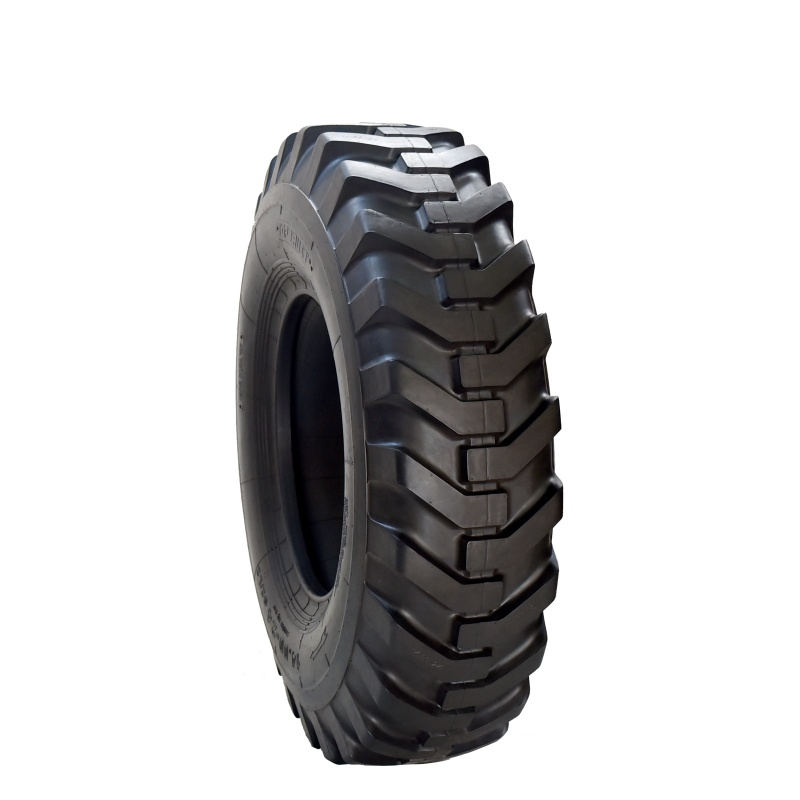
How Summer Car Tyres Reduce Rolling Resistance for Better Fuel Economy
The Physics of Rolling Resistance in Summer Car Tyres
When tires deform under weight, some of the energy meant for movement gets turned into heat instead of propelling the vehicle forward. This is what we call rolling resistance. Summer tires fight back against this issue by using special rubber mixed with silica that stays pliable even when temperatures rise above seven degrees Celsius. The material helps cut down on wasted energy from tire flexing. These summer models also have less deep treads than their winter counterparts, which means they touch the road surface over a smaller area. Plus, the blocks making up the tread pattern are built to be stiffer, reducing unnecessary flex within the tire itself. All these design choices work together to reduce rolling resistance by around ten to fifteen percent during warmer weather months. Less resistance means engines don't have to work as hard, so more power actually goes towards moving the car ahead rather than fighting against itself.
Real-World Fuel Savings: MPG Gains with Summer Car Tyres
Lower rolling resistance means better gas mileage in real world driving situations. According to various fleet tests conducted over recent years, cars equipped with summer tires perform about 3 to 5 percent better in miles per gallon when conditions permit their use. Take for instance a vehicle covering around 12 thousand miles each year with an average of 35 mpg. With those summer tires, drivers would burn through roughly 34 gallons less fuel annually, which works out to about $130 saved on gas according to data from the U.S. Energy Information Administration back in 2023. The benefits become even more noticeable during extended periods of warm weather driving. The tire compounds stay flexible longer while the tread patterns maintain grip without excessive drag, creating a balance between road contact and energy conservation that helps save money at the pump over time.
Enhanced Warm-Weather Performance and Safety of Summer Car Tyres
Superior Dry Grip, Cornering Stability, and Braking Response
Summer tyres really shine on dry surfaces because they're made with special polymers that keep them flexible even when it gets hot outside. The way these materials work actually increases the area where the tyre touches the road, which means better grip compared to regular all-season tyres. Tests show drivers can expect around 15% more traction when accelerating or taking corners at speed. The treads are designed to stay firm during turns, so the car stays stable instead of pushing wide like it might with other tyres. When researchers tested emergency stops from 60 mph speeds, summer tyres stopped about 7 to 10 feet shorter on dry pavement according to recent findings from Tyre Safety Council back in 2023. All this adds up to sharper steering response and better control overall, making a real difference when someone needs to swerve suddenly on those blistering hot days.
Tread Compound and Design Optimized for Temperatures Above 7°C
Summer tires are made with a special compound that works best when temperatures stay above about 7 degrees Celsius (around 45 Fahrenheit). When it gets colder than that, the rubber becomes stiff pretty quickly which means they lose grip on the road surface. That's why these tires aren't good choices for winter driving at all. The tread patterns on summer tires tend to have shorter grooves, lots of solid rubber contact area, and big channels running around the tire circumference. These features help keep cars stuck to dry pavement while still letting water escape during summer rains. Tests show this setup cuts down hydroplaning risks by roughly thirty percent compared to winter tires when roads are wet but above ten degrees Celsius according to Road Safety Institute data from last year. Plus, because of how they're built, summer tires roll easier against the road surface too. Drivers can expect anywhere between three to five percent better fuel economy when using summer tires during warmer months.
Summer Car Tyres vs All-Season and Winter Tyres: Efficiency Comparison
Rolling Resistance, Energy Loss, and Thermal Efficiency by Tyre Type
When it comes to driving in warm weather, summer tires really stand out against both all-season and winter options. They do better not only because they're safer, but also because they work better thermally and mechanically. The special mix of materials and how the treads are designed actually cuts down on rolling resistance by around 15 to 20 percent when compared with winter tires. This means less energy gets lost as heat when the tire flexes while driving. Winter tires have softer compounds and deeper treads for grip in cold conditions, which makes them less efficient in warm temperatures. Summer tires manage to reduce this energy loss without losing their grip on the road surface. All-season tires fall somewhere in between these extremes. Tests show they tend to have about 3 to 5 percent more rolling resistance than proper summer tires once temperatures go above 15 degrees Celsius. This makes a real difference in fuel consumption during warmer months.
| Efficiency Metric | Summer Tyres | All-Season Tyres | Winter Tyres |
|---|---|---|---|
| Rolling Resistance | Lowest | Moderate | Highest |
| Fuel Efficiency (Warm) | +5–8% MPG | Baseline | –7–10% MPG |
| Heat Dissipation | Superior | Average | Poor |
For drivers seeking peak efficiency in warm climates, summer tyres' thermal-stable construction delivers measurable reductions in energy dissipation—without compromising grip or control.
Strategic Use of Summer Car Tyres for Maximum Efficiency and Longevity
Optimal Temperature Range, Regional Deployment, and Seasonal Rotation Best Practices
Summer tires work best for fuel economy and last longer when they stay within their designed temperature range, which starts at around 7°C (about 45°F). The rubber stays soft enough to grip roads well while keeping rolling resistance low so the tires don't wear down too fast. Places that stay warm all year round like much of the southern United States, Mediterranean areas, and certain spots in Australia can safely run summer tires throughout the entire season without issues. For folks living where temperatures drop below freezing or have distinct seasons, it's smart to switch over to winter tires once temps regularly hit below 7°C. Otherwise, the tire compound gets stiff quickly, wears out faster than normal, and makes stopping distances longer on cold roads. Changing tires at the right times matters a lot too. Early spring and mid autumn are generally good windows for swapping them out. This helps keep tire wear balanced across all four wheels and maintains proper vehicle handling. When storing spare tires during off seasons, put them somewhere cool, dry, and out of direct light. Keep them away from anything that emits ozone as well since exposure to these conditions will help preserve their structure and make them last through several seasons of use.
FAQ
Are summer car tyres suitable for winter driving?
No, summer car tyres are designed to perform best in warm weather and lose grip when temperatures drop below 7°C (45°F). They should be replaced with winter tyres in colder conditions.
How do summer tyres improve fuel economy?
Summer tyres have a special mix of rubber and tread design that reduces rolling resistance, thereby increasing fuel efficiency by about 3–5% compared to winter tyres.
Do I need to change my tyres seasonally?
Yes, especially if you live in regions with varying temperatures. Swapping tyres in early spring and mid-autumn ensures optimal performance and efficiency.
What are the advantages of using summer tyres?
Summer tyres offer superior dry grip, better cornering stability, and improved fuel efficiency, making them ideal for warm weather driving.