
 EN
EN
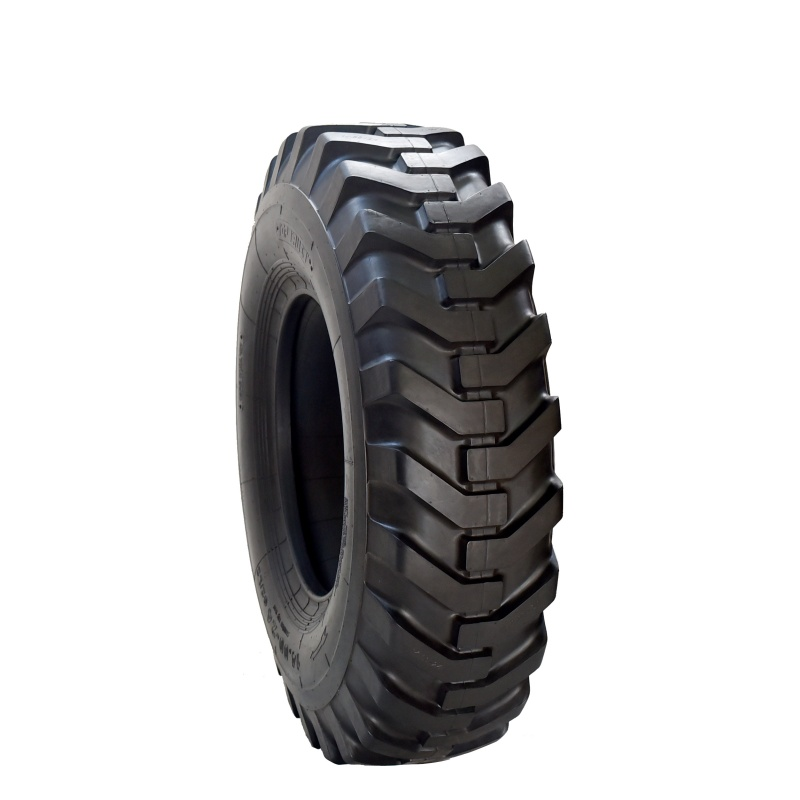
Match Custom Semi Truck Tyres to Axle Position and Service Application
Steer, Drive, Trailer, and All-Position Roles: How Load, Traction, and Stability Define Tyre Requirements
Different positions on a semi truck actually call for completely different types of tyres. Let's start with steer tyres first they really need those stiff shoulders and deep tread patterns to keep things stable when loaded down front heavy sometimes carrying as much weight as 12,500 pounds each! Drive axles tell another story altogether. These bad boys need those aggressive lugs with built-in stone ejectors so they don't get damaged from rocks kicked up during operation, particularly important when climbing those long 15% inclines that seem to pop up everywhere nowadays. Trailer tyres are all about handling massive loads day after day, which is why manufacturers reinforce the sidewalls to take punishment from constant cornering and tight turns around loading docks. There are multi-position tyres available too, but let's be honest they compromise somewhere between 7 and 10 percent in terms of performance when compared to tyres specifically designed for one job only.
Linehaul, Regional, Vocational, and Super Regional Use Cases: Selecting Construction and Compound for Real-World Demands
What kind of service determines what goes into the chemistry of compounds and how casings are built. For linehaul operations, we see tyres made with special silica compounds that reduce rolling resistance. These can save around 3 to 5 percent on fuel costs when trucks cover those typical 500 mile routes every day. When looking at regional tyres, they tend to have much deeper treads about 22 out of 32 inches deep plus those zigzag patterns in the rubber that really help with stopping safely on wet roads during those frequent stops and starts common in delivery work. Vocational models need different stuff altogether. They come with casings that resist cuts and have open shoulder designs so rocks get pushed away instead of getting stuck, which matters a lot in places like mines or quarries where debris is everywhere. Then there are these Super Regional tyres that mix heat dissipating steel belts with treads designed to handle all kinds of weather conditions. We're talking about temperatures swinging from as cold as minus 30 degrees Celsius right up to scorching 50 degrees Celsius without losing grip or performance.
Optimize Tread Design for Terrain, Weather, and Operational Efficiency
Rib, Lug, and Directional Patterns: Performance Trade-offs Across Dry, Wet, Snow, and Mixed Conditions
Picking the right tread pattern means finding a balance between what kind of ground someone drives on, the weather they face, and what matters most for their driving needs. Rib designs with those long continuous grooves around them work best on dry pavement roads, giving lower rolling resistance which can boost gas mileage somewhere around 3% while also making less noise overall. The deep lug patterns are great for getting grip on stuff like gravel or muddy trails, though they do make more noise on regular roads and require more energy to move forward. For rain or snow, directional V-shaped treads tend to be the go to choice since those angled grooves push water away about a quarter faster than normal tires, cutting down on the chances of sliding when hydroplaning becomes a concern.
| Pattern Type | Best For | Trade-offs |
|---|---|---|
| Rib | Highway/Dry | Limited wet traction |
| Lug | Off-road/Loose | Higher fuel consumption |
| Directional | Rain/Snow | Requires specific rotation |
Durability Enhancements: Siping, Stone Ejectors, Reinforced Compounds, and Steel Belt Packages in Custom Semi Truck Tyres
Tyres built to last longer without sacrificing how they perform on the road are becoming increasingly important for fleet operators. Take micro-siping for instance these tiny slits cut into the tread using lasers actually improve grip in winter conditions by around 15%, all while keeping the rubber compound intact. Then there's stone ejectors those little rubber nubs between the tread blocks that kick out gravel and dirt before it gets stuck, which accounts for roughly 12% of early tread wear problems we see in workshops. The reinforced silica blend compounds used in modern tyres also help manage heat when driving long distances, so wear happens about 18% slower compared to regular rubber. For vehicles working in tough conditions such as construction sites or garbage collection routes, special steel belts underneath the tread take the brunt of impacts and make tyres about 30% less likely to get punctured from sharp objects on site.
Balance Load Capacity, Rolling Resistance, and Tread Life for Total Cost of Ownership
Load Index Compliance and Axle Weight Distribution: Safeguarding Safety and Maximizing Tyre Lifespan
Matching tyres to each axle's load index is critical, not just looking at total vehicle weight. Otherwise we risk problems like overheating tires, uneven wear patterns, and even complete tire failure down the road. Front steer axles generally handle between 12 thousand to 20 thousand pounds worth of weight. The rear tandem drive axles? Those babies can take on upwards of 34 thousand pounds. When a tire carries more weight than it was designed for, the casing starts to break down faster and tread life drops dramatically somewhere around 30 to 40 percent. Getting the weight distributed evenly across all axles makes sure the tires make proper contact with the road surface, which helps avoid those annoying bald spots on either side or right in the middle. For trucks doing serious work like transporting liquids, hauling logs, or moving oversized cargo, reinforced sidewalls become absolutely necessary along with higher ply ratings to withstand impacts. And let's not forget regular weigh station stops aren't just bureaucratic nonsense they actually help keep us compliant with bridge formulas set by federal regulations while extending how long we can reuse our tire casings before needing replacements.
Fuel Savings vs. Grip: Evaluating Low Rolling Resistance Compounds in Custom Semi Truck Tyres Without Compromising Traction
Low rolling resistance compounds cut fuel use somewhere between 3 to 8 percent, though they need proper engineering with good silica dispersion and smart tread design to work right. The latest LRR treads actually hold up pretty well in wet conditions too, staying within about 5% of regular tires thanks to better control over hysteresis and those tiny directional cuts we call micro-siping. Trucking companies running long hauls see real money saved here, around $3,200 each year just on one tractor if it drives 120 thousand miles annually. Shorter trips where trucks stop often benefit from special hybrid tire blends that manage both stopping power and fuel efficiency. Tests show these directional tread patterns with built-in siping can stop safely at 0.25 to 0.30 g force on wet roads, all while passing EPA SmartWay requirements for environmental performance.
Implement a Structured Selection Framework for Reliable, Data-Driven Decisions
Using a structured approach to decision making takes the guesswork out of things when it comes to turning operational goals into actual numbers we can measure. Start with setting up evaluation weights for different factors depending on what matters most for specific operations. Maybe give tread life 40 points out of 100, wet traction around 25, fuel efficiency about 20, and load capacity gets 15 points based on how trucks actually perform day to day. Create a scoring system that compares tire options against these standards using real data from the field including how long casings last, test results for rolling resistance, and historical records on retread yields. Regional haulers will want to look closely at winter siping depth and stone ejector features, while long distance fleets care more about how well tires can be retreaded and maintain consistent low rolling resistance. Keep adjusting these criteria as new information comes in about how tires wear down, why they fail, and what they cost throughout their entire lifespan. Industry studies show this kind of ongoing refinement typically leads to savings of between 7% and 12% in total cost of ownership over time. What was once just buying tires becomes part of managing assets strategically across the whole operation.
FAQ
What is the importance of selecting the correct tyre for each axle position?
Each axle on a semi truck performs different functions, requiring specific tyre designs to optimize traction, load handling, and stability. Misaligning tyres to axle positions can result in reduced performance and quicker wear.
How do tyre compounds differ for various service applications?
Different service applications demand different tyre compounds; for example, linehaul tyres use special silica compounds for low rolling resistance, while vocational tyres focus on cut resistance and traction in rugged environments.
Why is tread design critical for different terrains and weather conditions?
Tread designs such as rib, lug, and directional patterns cater to specific terrains and weather conditions, optimizing grip, fuel efficiency, and operational noise.
How can fleet operators maximize tyre lifespan?
Maintaining correct load index compliance, regular weight checks, and using the right tyre build for specific applications help extend tyre lifespan and prevent failure.
Table of Contents
- Match Custom Semi Truck Tyres to Axle Position and Service Application
- Optimize Tread Design for Terrain, Weather, and Operational Efficiency
- Balance Load Capacity, Rolling Resistance, and Tread Life for Total Cost of Ownership
- Implement a Structured Selection Framework for Reliable, Data-Driven Decisions
- FAQ