
 EN
EN
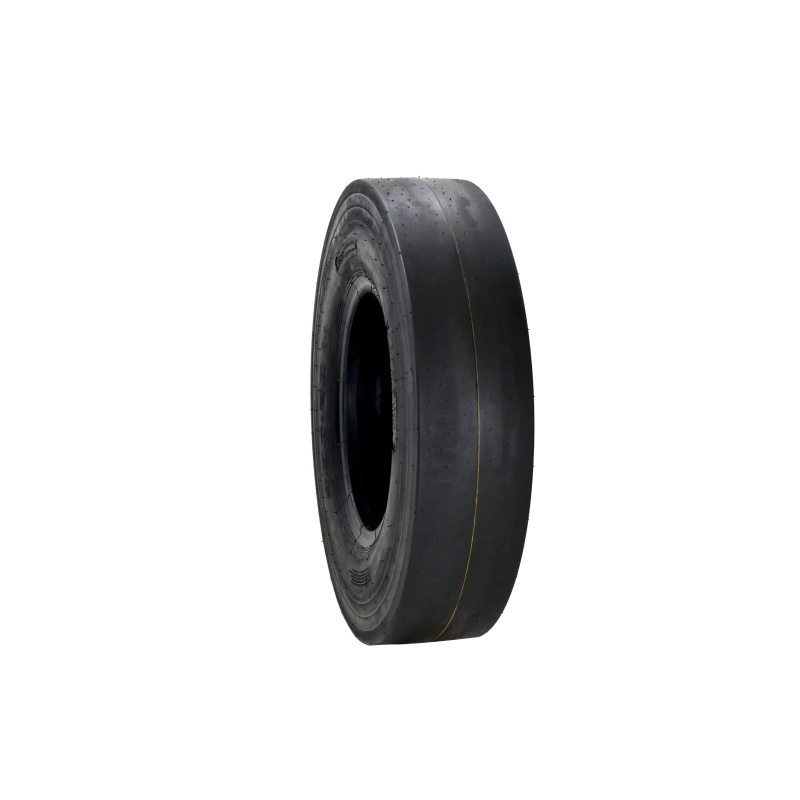
سعة التحميل وتصنيفات الضغط الخاصة بإطارات شاحنات التفريغ
فهم أساسيات سعة التحميل للنقل الثقيل في عمليات شاحنات القلاب
يجب أن تتحمل إطارات الشاحنات القلابة أحمالاً تزيد عن 40 طناً بينما تتحرك طوال اليوم على أرض صخرية ووعرة. إن قدرة التحمل، أو ببساطة كمية الوزن التي يمكن لكل إطار تحملها قبل أن يبدأ في التلف، تلعب دوراً كبيراً في تحديد ما إذا كانت هذه الشاحنات الكبيرة ستبقي آمنة أم ستتوقف عن العمل. وفقاً لبعض الأرقام الحديثة من العام الماضي، فإن نحو سبعة من كل عشر حالات فشل مبكر لإطارات في المناجم تحدث بسبب عدم تطابق تصنيف الحمولة مع الوزن الفعلي الذي يتم نقله. وعندما تكون الإطارات ذات تصنيف مناسب للعمل المطلوب، فإنها توزع الوزن بشكل أفضل، مما يعني تقليل الإجهاد المتراكم على المناطق الضعيفة مثل الجوانب والأسلاك عند نقل كميات هائلة من التراب أو الصخور من مكان إلى آخر.
شرح تصنيفات الطبقات (Ply Ratings) ومؤشرات الحمولة (Load Indexes) للشاحنات القلابة خارج الطرق المعبدة
تُخبرنا درجة الطبقات عن مدى قوة هيكل الإطار. فكلما زاد الرقم، كانت الحماية أفضل ضد الجروح والأضرار الناتجة عن الصخور في الطرق الوعرة. على سبيل المثال، سيتحمل إطار بدرجة 18PR ظروفًا قاسية بشكل أفضل مقارنةً بإطار بدرجة 14PR فقط عند القيادة في ظروف صعبة. أما بالنسبة لقدرة التحميل، فإن للإطارات حدود أوزان محددة تُشار إليها برقم مؤشر التحميل. فمؤشر تحميل 152 يعني أن كل إطار يمكنه حمل حوالي 3,175 كيلوغرامًا عند نفخه بشكل صحيح. وتحتاج معظم شاحنات القلابات العاملة خارج الطرق إلى إطارات بمؤشر تحميل لا يقل عن 160، لأن هذه المركبات غالبًا ما تزن أكثر من 100 طن متري بما في ذلك وزن الشاحنة نفسها وأي حمولة تقوم بنقلها.
دور ضغط النفخ في تعظيم قدرة تحمل الإطارات للحمل
الحفاظ على امتلاء الإطارات بالضغط الذي توصي به الشركة المصنعة، عادةً ما يتراوح بين 90 و110 رطل/بوصة مربعة للإطارات المستخدمة خارج الطرق، يمكن أن يُحسّن كفاءة حمل الوزن بنسبة تتراوح بين 12 إلى 18 في المئة مقارنة بالإطارات التي لا تحتوي على هواء كافٍ. عندما يكون الضغط داخل الإطار مرتفعًا جدًا، فإن ذلك يجعل سطح السير أكثر عرضة للانفصال، خاصةً على الأسطح الوعرة. وعلى الجانب الآخر، يؤدي نقص الهواء إلى تآكل جوانب الإطار بشكل أسرع من المعتاد. في الوقت الحالي، قام معظم المناجم الكبيرة في أوروبا وأمريكا الشمالية بتركيب أنظمة مراقبة الضغط بالفعل. حوالي ثلاثة أرباع المواقع تستخدم هذه الأنظمة كجزء من عملياتها المنتظمة لأنها تساعد على منع الانفجارات الخطرة الناتجة عن مستويات ضغط غير صحيحة.
دراسة حالة: عواقب التحميل الزائد على إطارات مقاس 23.5R25 في مواقع التعدين
رصدت دراسة ميدانية أجريت في عام 2023 في منجم نحاس تشيلي إطارات مقاس 23.5R25 مشحونة بزيادة 15٪ عن الحمولة المسموحة. وأظهرت هذه الإطارات تآكلًا في السطح ثلاث مرات أسرع، وزيادة في توليد الحرارة بنسبة 47٪، وضررًا في الجدار الجانبي بنسبة 82٪ أكثر مقارنة بالإطارات المشحونة بالحمولة المناسبة. وعلى مدى ستة أشهر، أدى ذلك إلى خسارة في الإنتاجية بنسبة 22٪ وكلفة استبدال تجاوزت 740 ألف دولار (بونيمان 2023).
تصميم السطح الخلفي والجر لتحقيق الأداء الأمثل على التضاريس الوعرة
أنماط السطح الخلفي لأداء الطرق الوعرة والخارجية
تحتاج شاحنات القلابات إلى إطارات قوية للتعامل مع الظروف الصعبة، وتأتي الموديلات عالية الأداء مزودة بتلك الأسنان العميقة والعدوانية التي نعرفها جميعًا. بالنسبة للمواقف الحقيقية في الطين، يُصمم المصنعون الإطارات بأسنان متباعدة تُشكل حوالي 15 إلى 20 بالمئة من المساحة الفارغة بينها. وهذا يساعد على منع التصاق المواد بالإطار عند القيادة عبر الطين أو الوحل. أما الإطارات متعددة الطرق فهي مختلفة، إذ تكون كتل السطح أقرب بعضها إلى بعض، مما يوفر قبضة أفضل على الأسطح المتغيرة بين الصخور والتربة. وعند الصعود على الطرق الحصوية ذات الميل الأكبر من 12 بالمئة، فإن الإطارات ذات النمط الماسي (على شكل حرف V) والتي تشير في اتجاه واحد توفر فعليًا تحسنًا في الجر بنسبة حوالي 18 بالمئة مقارنة بالتصاميم المتماثلة التقليدية، وفقًا لبعض الباحثين في القطاع الذين تم الاطلاع على دراستهم مؤخرًا.
متطلبات عمق نمط سطح الإطار للترسيبات الصخرية والمواد غير المتماسكة
عند العمل في التضاريس الصخرية، تحتاج الإطارات إلى عمق نمط لا يقل عن 25 مم لتجنب الأضرار الناتجة عن الصخور الحادة التي يمكن أن تمزق الغلاف. لقد رأينا مرارًا وتكرارًا في عمليات المحاجر أن أي شيء أقل من هذا المقدار يستهلك بسرعة تصل إلى ثلاثة أرباع أسرع. أما في البيئات الرملية، فإن استخدام نتوءات أعمق بحوالي 35 مم أو أكثر يحدث فرقاً كبيراً. حيث تُنشئ هذه الأنماط الأكبر مساحة اتصال أكبر مع الأرض، أي ما يقارب 40٪ زيادة في مساحة التلامس، مما يعني أن العجلات تنزلق بشكل أقل. حتى عند سحب أحمال ثقيلة مثل 50 طنًا من المواد، تظل نسبة الانزلاق أقل من 15٪. إن إيجاد التوازن الأمثل بين عمق النمط والأداء يطيل فعلاً عمر الإطارات مع الحفاظ على قبضة جيدة لمعدات الطرق الوعرة.
تأثير التضاريس على أداء الإطارات في مناطق البناء
| نوع التضاريس | متطلب النمط الرئيسي | تأثير الأداء |
|---|---|---|
| الطين الرطب | أخاديد كتف واسعة | طرد الطين أسرع بنسبة 80٪ |
| الحجر الجيري المسحوق | حواف كتل معززة | انخفاض الضرر الناتج عن التقطيع بنسبة 60٪ |
| الحصى المدمجة | تباعد وسيط للنتوءات | انخفاض نقل الاهتزاز بنسبة 25% |
تتطلب مواقع البناء تصاميم نمط سير متكيفة — حيث تستفيد الأسطح الطينية اللينة من تباعد عروات بحجم 15 مم لتنظيف ذاتي، في حين تؤدي الأنماط المضلعة أداءً أفضل على طرق النقل المعبدة من خلال تقليل تراكم الحرارة بنسبة تصل إلى 20°م
نمط السير على شكل شيفرون مقابل أنماط الكتل من حيث الجر على المواد الثقيلة والرخوة
توفر أطر السير على شكل شيفرون جرًا أماميًا أفضل بنسبة 22% في مخزونات الفحم بفضل التلامس المستمر للحواف، في حين توفر أنماط الكتل استقرارًا جانبيًا محسنًا بنسبة 35% على السدود المرصوفة. ومع ذلك، فإن التصاميم الكتلية تتعرض لتآكل أسرع في الكتف بنسبة 18% تحت الأحمال الجانبية المتكررة، مما يجعل التصاميم على شكل شيفرون أكثر ملاءمة لمناطق الحفارات التي تتضمن دورانًا ضيقًا متكررًا
مزايا متانة إطارات المعدات الخارجية (OTR) في بيئات شاحنات التفريغ القاسية
جودة مركب الإطارات للعمليات التعدينية تحت إجهاد شديد
تُصنع إطارات الطرق الوعرة الحديثة بخليط مطاطي خاص يتميز بقدرته الأفضل على مقاومة الحرارة والتآكل، بالإضافة إلى المواد الكيميائية التي قد تتعرض لها في مواقع العمل. ما يميز هذه الإطارات هو قدرتها على الحفاظ على مرونتها حتى عند انخفاض درجات الحرارة تحت الصفر أو ارتفاعها بشكل كبير، حيث تعمل بكفاءة من درجة حرارة تصل إلى -40 مئوية وحتى حوالي 85 مئوية. والأمر المثير؟ إنها أقوى بنسبة 20 بالمئة تقريبًا من حيث المقاومة للقطع والخدوش مقارنةً بالمنتجات المطاطية الصناعية العادية. كما يضيف المصنعون ثاني أكسيد السيلكون إلى سطوح الإطار مع مكونات معينة تساعد على تبديد الحرارة. يعني هذا المزيج حدوث تآكل أقل بكثير على السطوح أثناء عمليات النقل الشاقة التي تكون فيها مستويات الإجهاد مرتفعة جدًا. وتُظهر الاختبارات الميدانية حدوث تدهور أقل بنحو الثلث بمرور الوقت مقارنةً بتصاميم الإطارات القديمة.
جوانب مدعمة لحماية الإطار من حطام الصخور والصدمات
تقلل الأحزمة الفولاذية متعددة الطبقات وتعزيزات ألياف الآراميد من مخاطر الثقوب الناتجة عن الصخور الحادة بنسبة 40%. ووجدت دراسة ميدانية أجريت في عام 2023 أن حالات فشل الجوانب الجانبية انخفضت من 12% إلى 7% في المحاجر بعد التحول إلى جوانب جانبية من أسلاك فولاذية بست طبقات. كما تعزز التصاميم المخروطية للحبال المتينة المتانة بشكل أكبر من خلال توزيع إجهاد التصادم بعيدًا عن المناطق الهيكلية الحرجة.
تقنيات مقاومة القطع والتأثير في إطارات OTR الثقيلة
ثلاثة ابتكارات رئيسية تحسّن المرونة:
- أخاديد نمط السطح بزاويتين تحرف الحطام الحاد عن مناطق الكتف الضعيفة
- فرعيات ذات عمق متغير (8–12 مم) تعزز القبضة دون احتجاز الحجارة
- حواجز فولاذية تمتد على العرض الكامل تحت نمط السطح تقاوم القوى الجانبية أثناء التوقفات المفاجئة
معًا، تقلل هذه الميزات من توقف العمل غير المخطط له بمقدار 18 ساعة شهريًا لكل شاحنة في عمليات تعدين الركام.
الإطارات المعاد تلويحها مقابل الإطارات الجديدة للسيارات خارج الطرق: المفاضلة بين السلامة والتكلفة في البيئات عالية الخطورة
يمكن أن تكون التكاليف الأولية للإطارات المعاد تلويحها أرخص بنسبة تتراوح بين 30 إلى 40 بالمئة مقارنة بالإطارات الجديدة، على الرغم من أن إطارات الشركة المصنعة الأصلية (OEM) تميل إلى الفشل بنحو النصف تقريبًا في المواقف الخطرة مثل عمليات التعدين في الحفر العميقة. وتشير البيانات المستمدة من دراسات عام 2023 حول إطارات مقاس 23.5R25 إلى أمر مثير للاهتمام: حيث تُبلي الإطارات المعاد تلويحها بلاءً حسناً خلال أول 1200 ساعة من التشغيل، ولكن بعد تجاوز هذه المرحلة تبدأ في التآكل أسرع بنسبة 22٪ تقريبًا مما هو متوقع. وفيما يتعلق بالأعمال الحرجة التي يكون فيها توقف التشغيل مكلفًا، فإن استخدام إطارات جديدة تمامًا تفي بمعايير ISO 10454 فيما يخص جودة الهيكل الداخلي يعد خيارًا منطقيًا، لأن هذه الإطارات تتصرف بشكل أكثر اتساقًا عند التحميل الشديد في الظروف القاسية.
مطابقة مقاس ونوع الإطار مع احتياجات تطبيقات شاحنات القلاب
اختيار المقاس المناسب للإطار استنادًا إلى الحمولة وتكوين المركبة
عند اختيار الإطارات، يبدأ الأمر بالنظر إلى نوع الوزن الذي يجب تحمله وكيفية ترتيب المحاور. خذ على سبيل المثال إطارات 23.5R25، يمكنها تحمل وزن يزيد بحوالي 25٪ مقارنةً بالإصدارات 19.5L-25 عند اختبارها جنبًا إلى جنب في ظروف حقيقية عام 2023. إن التصميم الأوسع للإطارات مثل 19.5L-25 يوزع الوزن بشكل أفضل على الأسطح الناعمة، ما يعني أن الضغط على الأرض أقل بحوالي 18 رطلاً لكل بوصة مربعة مقارنةً بنظيراتها الأضيق. يُوصي معظم المصنّعين بمطابقة عرض قسم الإطار مع المواصفات الواردة في جداول أحمال العجلات، رغم أنه عادةً ما توجد هامش تسامح بزيادة أو نقصان 3٪ لمراعاة أنواع مختلفة من التضاريس التي قد تواجهها المركبات يوميًا.
كيف يؤثر نوع التطبيق (التعدين، البناء، المحاجر) على اختيار الإطارات
تحتاج صناعة التعدين إلى إطارات ذات مسارات أعمق بنسبة 30 إلى 35 في المئة مقارنة بإطارات البناء العادية لأنها يجب أن تتعامل مع جميع أنواع الصخور الحادة والحطام. بالنسبة للمحاجر على وجه التحديد، يجب أن تكون الجدران الجانبية قوية للغاية لأن هذه الآلات غالبا ما تصطدم جانبا عندما لا تكون الأحمال متوازنة بشكل صحيح. نظرة على الحوادث من عام 2022 وجدت أن إطارات المحجر الخاصة خفضت مشاكل الجدران الجانبية بنحو النصف. عندما يتعلق الأمر بمشاريع بناء المدن، المقاولون يميلون إلى الذهاب لتلك التصاميم مع أشرطة التدفق. هذه تساعد على حماية الطرق من الضرر ولكن لا تزال تتمكن من الحفاظ على حوالي أربعة أخماس ما يمكن أن يفعله الإطارات خارج الطريق. هذا منطقي حقاً، لا أحد يريد أن يُفسد ممرّه الجديد الجميل فقط لكي تتحرك الجرافة
تحليل مقارن: 19.5L-25 مقابل 23.5R25 لتوزيع الحمل والمتانة
| مميز | 19.5L-25 الإطارات | 23.5R25 الإطارات |
|---|---|---|
| سعة التحميل | 9100 كجم @ 100 سم | 11300 كجم @ 110 سم |
| كفاءة استخدام الوقود | 8٪ أفضل على الطرق المرصوفة | أفضل بنسبة 12% في التضاريس المختلطة |
| عمر النتوء | 65007200 ساعة | 5،8006،500 ساعة |
| الطفو على الأراضي الناعمة | تحسين توزيع الضغط بنسبة 23% | استقرار جانبي أفضل بنسبة 18% |
تشير البيانات من مواقع خام الحديد الأسترالية (2023) إلى أن إطارات 19.5L-25 تدوم لفترة أطول بنسبة 15% في الظروف الكاشطة، بينما تتيح طرازات 23.5R25 أوقات دورة أسرع بنسبة 9% في التضاريس الجبلية بسبب مرونة الجدار الجانبي المحسّنة.
الأسئلة الشائعة
ما أهمية سعة التحميل في إطارات شاحنات القلاب؟
تُعد سعة التحميل أمرًا بالغ الأهمية لضمان قدرة إطارات شاحنات القلاب على تحمل الأوزان الهائلة التي تنقلها، وتقليل حالات فشل الإطارات المبكرة وتعزيز السلامة من خلال توزيع الإجهاد على طول الإطارات.
كيف تؤثر تصنيفات الطبقات على إطارات شاحنات القلاب العاملة خارج الطرق المعبدة؟
تشير تصنيفات الطبقات إلى قوة هيكل الإطار؛ حيث توفر التصنيفات الأعلى حماية أفضل ضد الأضرار الناتجة عن التضاريس الوعرة، مما يعزز متانة الإطار.
لماذا يُعد ضغط النفخ مهمًا بالنسبة لقدرة الإطار على التحميل؟
يسمح الضغط الصحيح بالنفخ للإطارات بنقل أوزان أكبر بكفاءة تصل إلى 18%، مع تجنب البلى المبكر للسديلة أو تلف الجدار الجانبي الناتج عن مستويات ضغط غير صحيحة.
كيف تؤثر تصميم نمط السطح على الأداء في التضاريس الوعرة؟
يؤثر تصميم نمط السطح، بما في ذلك العمق والنمط، بشكل كبير على قبضة الإطارات وقدرتها على التنظيف الذاتي، مما يؤثر على الجر ويقلل من التآكل في البيئات الصعبة.
هل تعد الإطارات المعاد تدويرها خيارًا عمليًا للشاحنات القلابة؟
الإطارات المعاد تدويرها توفر حلًا اقتصاديًا وتؤدي أداءً جيدًا في البداية، لكن الإطارات الجديدة توفر أداءً أكثر اتساقًا ومتانة في البيئات عالية المخاطر.
جدول المحتويات
- سعة التحميل وتصنيفات الضغط الخاصة بإطارات شاحنات التفريغ
- تصميم السطح الخلفي والجر لتحقيق الأداء الأمثل على التضاريس الوعرة
- مزايا متانة إطارات المعدات الخارجية (OTR) في بيئات شاحنات التفريغ القاسية
- مطابقة مقاس ونوع الإطار مع احتياجات تطبيقات شاحنات القلاب
-
الأسئلة الشائعة
- ما أهمية سعة التحميل في إطارات شاحنات القلاب؟
- كيف تؤثر تصنيفات الطبقات على إطارات شاحنات القلاب العاملة خارج الطرق المعبدة؟
- لماذا يُعد ضغط النفخ مهمًا بالنسبة لقدرة الإطار على التحميل؟
- كيف تؤثر تصميم نمط السطح على الأداء في التضاريس الوعرة؟
- هل تعد الإطارات المعاد تدويرها خيارًا عمليًا للشاحنات القلابة؟