EN
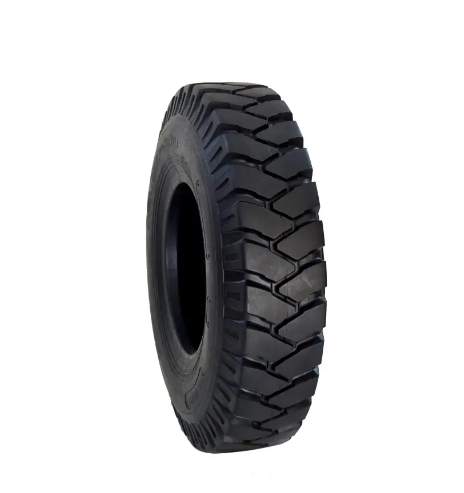
Why Tire Choices on Highway Trucks Decide Whether a Fleet Goes Home Safe
A highway truck tire is never just black rubber bolted to a wheel. It is the only contact point between a loaded vehicle and the road, and at 65 mph, that contact patch is roughly the size of a person's palm. When a dump truck tire or long-haul drive tire fails, the result is not simply a roadside delay. It can become a steer axle blowout, a jackknife, or a debris field for other motorists. Fleet safety programs often focus on driver training, brake audits, and hours of service. All matter. Tire selection, inflation discipline, and casing quality sit at the same table.
The Safety Math Behind Load, Heat, and Speed
Commercial tires are engineered around a simple but unforgiving relationship: load and speed create heat, and heat destroys casings. A tire running underinflated by 20 percent can flex far more than intended. That extra flex raises internal temperature, weakens belts, and shortens casing life. On a highway route with steep grades and summer temperatures, the margin gets thin fast. The Federal Motor Carrier Safety Administration and CVSA roadside inspections have long listed tire defects among the top vehicle-related out-of-service violations. Under CVSA criteria, a front axle tire with less than 4/32 inch of tread depth can put a truck out of service. That is not a suggestion. It is a safety line.
What Separates a Roadworthy Highway Tire From a Cheap Replacement
Price per tire is easy to compare. Cost per safe mile is harder. A low-cost tire may pass a visual inspection when new, yet lose its shape, retreadability, or heat resistance after 40,000 miles. The differences usually show up in the casing, not the tread. Four signals matter:
-
Casing integrity: A strong casing supports multiple retreads and resists belt separation.
-
Compound design: Highway compounds balance rolling resistance with cut and chip resistance.
-
Tread pattern: Rib patterns favor steady highway wear, while aggressive patterns help mixed-service trucks.
-
Manufacturing consistency: Uniformity reduces vibration, irregular wear, and driver fatigue.
A fleet does not need the most expensive tire. It needs the right tire for the axle, route, and load.
A Real-World Example From a Mixed Highway and Jobsite Route
During a highway widening project in the Southeast, a contractor ran a group of dump trucks on a route that mixed 30 miles of interstate with rough access roads. The first tire spec was chosen mainly on upfront price. Within months, drivers reported steering wander, irregular wear, and heat-related failures on rear axles. A second spec, built with a stronger casing and a compound better suited to heat, changed the picture. Failures dropped, but so did downtime at the pit. The lesson was not that one tire brand magically solved everything. The route itself demanded a different balance of traction, heat resistance, and retreadability. A dump truck tire that works well in a quarry may not be the best choice for a truck spending half its day at highway speed.
Matching Tire Strategy to Axle Position and Duty Cycle
Not every position on a truck faces the same stress. Steer tires need roundness, wet grip, and consistent wear. Drive tires need traction and torque handling. Trailer tires need sidewall strength and resistance to scrub. A fleet safety plan that treats all positions the same often wastes money and creates risk.
| Duty Cycle | Key Tire Priority | Common Risk | Practical Check |
|---|---|---|---|
| Long-haul highway | Heat resistance and even wear | Casing fatigue, irregular wear | Pressure check at every fuel stop |
| Mixed highway and jobsite | Cut resistance plus highway stability | Sidewall damage, chunking | Inspect after every off-road shift |
| Regional delivery | Wet traction and scrub resistance | Rapid shoulder wear | Rotate and align on a fixed schedule |
| Severe service | Casing strength and retreadability | Impact breaks, belt separation | Track casing age and repair history |
The table is not a universal answer. It is a starting point for matching tire specs to real work.
Metrics That Reveal Whether Tire Safety Is Improving
Fleet managers already watch fuel, brake, and accident data. Tire data deserves the same attention. Useful numbers include:
-
Roadside tire violations per 100,000 miles.
-
Tread depth at removal by axle position.
-
Percentage of casings accepted for retreading.
-
Pressure-related failure rate.
-
Average cost per tire mile, including retreads.
When those numbers move in the wrong direction, the cause is often not the tire alone. Alignment, loading, driver behavior, and maintenance intervals all leave fingerprints. A fleet that tracks tire performance can separate a bad batch from a bad route. It can also spot a wheel-end problem before it becomes a fire or a blowout.
Building a Tire Program That Protects Drivers and Uptime
Safety and uptime are not rivals. A tire program that controls inflation, matches specs to duty, and retreads quality casings keeps trucks on the road and drivers out of danger. That approach does not require chasing every new pattern. It requires discipline: buy for the casing, inspect for the route, and measure for the truth.
Sunote, a China-based tire manufacturer, serves fleets and distributors with truck and bus tires, OTR tires, agricultural tires, and passenger car tires. Its production has earned DOT, ECE, EU Label, CCC, GCC, SASO, NOM, and Soncap certifications, along with ISO 9001 quality processes. For distributors looking for a long-term supply partner, Sunote offers a practical mix of manufacturing capacity, export experience, and responsive service.
Table of Contents
- Why Tire Choices on Highway Trucks Decide Whether a Fleet Goes Home Safe
- The Safety Math Behind Load, Heat, and Speed
- What Separates a Roadworthy Highway Tire From a Cheap Replacement
- A Real-World Example From a Mixed Highway and Jobsite Route
- Matching Tire Strategy to Axle Position and Duty Cycle
- Metrics That Reveal Whether Tire Safety Is Improving
- Building a Tire Program That Protects Drivers and Uptime