EN
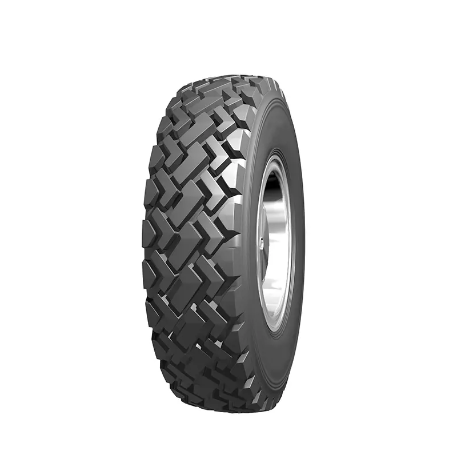
Why Dump Truck Tire Demand Rewards Better Wholesale Planning
Wholesale truck tire programs rarely fail because of one bad product. They fail when mix, timing, and service do not match how fleets buy. A dump truck tire is not a highway tire with a deeper tread. It works in construction sites, quarries, landfills, and mining haul roads where cuts, heat, and load shifts punish casings daily. Distributors that treat these tires as commodity SKUs often end up with slow-moving inventory in the wrong size and gaps in the sizes that matter.
Buying patterns are lumpy. A contractor may order 40 units before a road project, then disappear for months. A quarry may need steady replacements as haul roads deteriorate. Wholesale planning has to separate project-driven demand from replacement demand. That distinction shapes order frequency, warehouse location, and credit terms more than a generic annual forecast.
Matching Tread and Casing Specs to Real Haul Cycles
Technical talks with a fleet should start with the haul cycle, not price. Load, speed, gradient, surface, and cycle length determine whether a dump truck tire should prioritize cut resistance, heat dissipation, traction, or tread wear. A tire that performs well on paved access roads may chip apart on sharp rock. A deep-lug tire that clears mud may run hotter on long high-speed runs.
Casing quality matters as much as tread compound. A robust casing supports retreading, which changes the long-term cost picture. According to the U.S. Department of Transportation's Federal Motor Carrier Safety Administration, underinflation is a leading contributor to tire failure. A tire running 20 percent below recommended pressure can flex more, build heat, and fail before the tread wears out. Wholesale sellers who include inflation and load checks in dealer training reduce comebacks and build trust.
| Specification area | Light construction use | Heavy quarry use | Long haul mix |
|---|---|---|---|
| Tread depth | 18 to 22 mm | 24 to 30 mm | 20 to 24 mm |
| Casing priority | Retreadability | Cut resistance | Heat resistance |
| Load index focus | Moderate | High | High |
| Common wholesale risk | Overstocking highway sizes | Wrong compound for rock | Poor pressure maintenance |
Building a Stock Mix That Does Not Freeze Working Capital
Inventory is where wholesale strategies gain speed or stall. A warehouse full of one popular size looks efficient on paper, but fleets rarely run a single tire spec across every truck. Classify SKUs by demand rhythm. 1. Fast movers: sizes used weekly by local contractors. 2. Project movers: sizes tied to tenders, mining expansions, or road builds. 3. Niche movers: odd sizes for older equipment or specialized trailers. Project movers should be ordered against confirmed demand or supplier lead time. Niche movers can be pooled across regions.
Turnover by size and application matters more than one blended inventory number. A 24.00R35 OTR tire and an 11R22.5 highway tire may sit in the same yard, but their demand logic is completely different. Distributors that track fill rate by application often spot a mismatch before it becomes dead stock.
Supplier Vetting Beyond Price Lists
Price lists are easy to compare. Production discipline is not. A supplier that delivers consistent compound, stable bead geometry, and documented batch control is worth more than a low quote that creates sorting costs at the dock. Certifications help narrow the field. DOT, ECE, GCC, SASO, NOM, Soncap, and ISO 9001 are not decorative logos. They show that a factory has met specific market entry and process requirements. They do not replace a factory audit, but they provide a starting filter.
A distributor in northern Chile saw this during a copper mine expansion. The mine needed dump truck tires for sharp, loose rock and long uphill loads. The first shipment used a compound tuned for abrasion resistance, but sidewall cuts climbed during the rainy season. The distributor worked with the factory to adjust the tread pattern and casing reinforcement for the actual haul road. The second batch had fewer cut-related failures, and the mine moved from spot buying to a scheduled program. Field data beat catalog claims.
Logistics, Mounting, and Aftermarket Feedback Loops
Even a good tire can fail as a wholesale program if delivery and mounting are sloppy. Dump truck tires are bulky, heavy, and often needed on remote sites. Delivery windows matter. Mixed loads need clear labeling. Mounting crews need torque specs, inflation guidelines, and matching rim information. When a tire is installed on a worn rim or with the wrong flap, the failure may be blamed on the tire even when the root cause is elsewhere.
Aftermarket feedback is cheap R&D. Returned tires should be inspected for irregular wear, bead damage, penetration, and heat separation. If one size keeps coming back from a specific quarry, the issue may be pressure, load, or road condition rather than the tire itself. Feeding that information back to the manufacturer improves the next production run.
Turning Wholesale Tire Programs into Long-Term Fleet Accounts
A wholesale tire strategy becomes efficient when it stops chasing one-off orders and starts solving fleet problems. That means quoting by application, holding the right stock, training dealers, and using field data to refine the mix. Sunote, a China-based tire maker, produces truck and bus tires, OTR tires, agricultural tires, and passenger car tires. Its certifications, including DOT, ECE, GCC, SASO, NOM, Soncap, and ISO 9001, help wholesale buyers enter regulated markets with fewer surprises. For distributors building a dump truck tire program, the advantage comes from combining practical field knowledge with a supplier that can keep quality and delivery steady.
Table of Contents
- Why Dump Truck Tire Demand Rewards Better Wholesale Planning
- Matching Tread and Casing Specs to Real Haul Cycles
- Building a Stock Mix That Does Not Freeze Working Capital
- Supplier Vetting Beyond Price Lists
- Logistics, Mounting, and Aftermarket Feedback Loops
- Turning Wholesale Tire Programs into Long-Term Fleet Accounts