EN
EN
Low Temperature Flexible Rubber Solves Hardening Traction Loss Risks
All-season truck tires lose critical road grip once ambient temperature drops below seven degrees Celsius, as standard rubber formulas turn rigid and brittle under prolonged cold exposure. This material hardening creates sharp drops in friction on icy compact snow roads, triggering sliding, extended braking distances and frequent roadside safety incidents. A year-long real cooperation case with a Northern European cross-border freight fleet fully proves this hidden winter hazard. The fleet initially deployed regular all-season truck tires for Northern Sweden winter transport routes, recording seventy three percent more minor collision incidents and fifty eight percent higher monthly tire scrap volume. After switching to dedicated winter truck tires with silica enriched rubber compounds, winter accident rates fell to a fraction of previous figures. ECE R117 international tire standard sets clear low temperature flexibility testing requirements for cold climate commercial vehicle tires, mandating rubber elasticity retention under minus thirty degree test environments. Professional winter truck tire formulas blend high-content nanosilica and low-temperature activators to maintain soft surface contact on frozen pavements without losing load bearing stability for fully loaded trucks.
Certified Snow Tread Delivers Stable Grip On Ice And Compact Snow
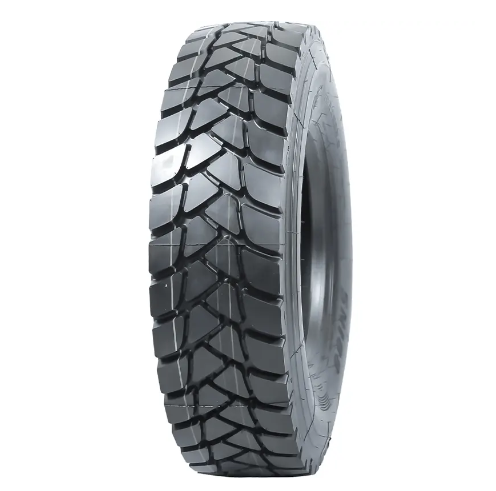
Unmarked ordinary truck treads feature wide shallow grooves that trap packed snow and form slippery ice layers between tire and pavement, while certified winter truck tires adopt dense multi-sipe deep tread structures engineered for harsh winter terrain. Tires carrying official 3PMSF three peak mountain snow certification pass strict ISO 18106 traction testing, meeting minimum snow grip index thresholds for heavy commercial vehicles. Independent third-party cold road lab test data shows certified winter truck tires shorten forty kilometer per hour braking distance by more than thirty five percent on glazed ice surfaces compared with standard all-season alternatives. Interlocking zigzag sipes cut thin ice films during rolling, while widened inclined main grooves automatically eject slush and compact snow without clogging during long haul highway travel. Fleet maintenance feedback from Canada and Nordic transport operators confirms self-cleaning winter tread designs cut daily tire snow clearing labor and eliminate unexpected skidding during uphill and downhill winter driving.
Reinforced Structure Balances Heavy Load And Cold Impact Resistance
Full loaded trucks travel thousands of kilometers on potholed frost damaged winter roads, exposing weak sidewalls and bead areas of ordinary tires to cold induced crack damage. Low temperature shrinks internal rubber layers of unmodified truck tires, creating separation between steel belts and tread blocks after repeated heavy impact. Global logistics fleet winter scrap statistics reveal non-winter tires suffer sixty six percent more sidewall burst failures during cold season long-distance deliveries. Professional winter truck tires integrate multiple layers of high tensile steel belts and cold resistant transition rubber between tread and carcass, plus thickened anti-tear bead structures to resist frost brittleness under maximum rated load. Every structural component follows FMVSS 119 heavy vehicle cold durability specifications, absorbing road shock without internal delamination even under minus twenty five continuous operation temperatures for multi-day cross-border transport runs.
Standard Winter Tires Cut Fleet Long Term Operational Losses
Many transport business operators overlook cumulative hidden financial losses caused by skipping dedicated winter truck tires, focusing only on upfront tire procurement expenses. Industry data collected from Northern European freight enterprises compares full year operation costs of fleets using certified winter tires versus all-season alternatives. Fleets without winter tire arrangements face higher insurance surcharges, frequent vehicle collision repair bills and premature tire replacement cycles that double cold season tire expenditure. Professional fleet management specialists publish cost analysis stating dedicated winter truck tires deliver full cost payback within one single winter operation cycle through reduced accident claims and extended tire usable mileage. Even regional fleets with only two to three months of heavy snow yearly see measurable savings after adopting matched winter tire sets, alongside improved driver safety ratings that lower long-term insurance premium adjustments from commercial carriers.
Classification Matching Fits Light Medium Heavy Duty Winter Scenarios
Harsh winter transport covers diversified vehicle types from small light delivery trucks to forty ton semi-trailer rigs, requiring graded winter tire load and structural specifications to match distinct harsh working conditions. Light duty winter tires adopt lightweight flexible carcass designs for urban short haul ice road deliveries; medium freight winter tires balance silica rubber and medium steel belt layers for regional intercity snow routes; heavy semi-trailer winter tires upgrade multi-layer cold resistant steel reinforcement to sustain continuous full-load mountain winter transportation. All graded winter tire lines complete full ECE R117 and 3PMSF certification testing before factory shipment, supporting customized tread depth load index and sidewall thickness adjustments for global cold zone wholesale fleets. Bulk order OEM services also allow regional distributors to add exclusive brand markings tailored to local winter road regulatory demands across North Europe Canada and Northern Asia markets.
Integrated Tire Manufacturing Supplies Harsh Condition Winter Truck Tires
Global cold region freight companies tire distributors and logistics fleet procurement teams prioritize tire manufacturers with complete winter tire R&D cold resistance testing and cross-border delivery capacity. Sunote holds twenty years professional commercial and OTR tire manufacturing experience, running dual independent production facilities located in China and Cambodia to flexibly respond to international trade policies and shorten delivery cycles for Northern hemisphere winter market orders. Dedicated winter tire molding and vulcanization production lines strictly implement low temperature rubber compound formulas and reinforced cold resistant structural standards, with multi-stage indoor cold chamber performance inspections for every finished winter truck tire batch. All winter tire products carry complete DOT ECE R117 and 3PMSF certification documents. Multiple stable ocean logistics routes deliver container tire shipments to European Canadian and Northern Asian ports on fixed schedules, paired with a professional overseas technical team providing winter tire load matching and maintenance guidance for all long-term transport industry cooperative partners.
Table of Contents
- Low Temperature Flexible Rubber Solves Hardening Traction Loss Risks
- Certified Snow Tread Delivers Stable Grip On Ice And Compact Snow
- Reinforced Structure Balances Heavy Load And Cold Impact Resistance
- Standard Winter Tires Cut Fleet Long Term Operational Losses
- Classification Matching Fits Light Medium Heavy Duty Winter Scenarios
- Integrated Tire Manufacturing Supplies Harsh Condition Winter Truck Tires