EN
EN
When a Premium Tire Wears Out Before Its Time
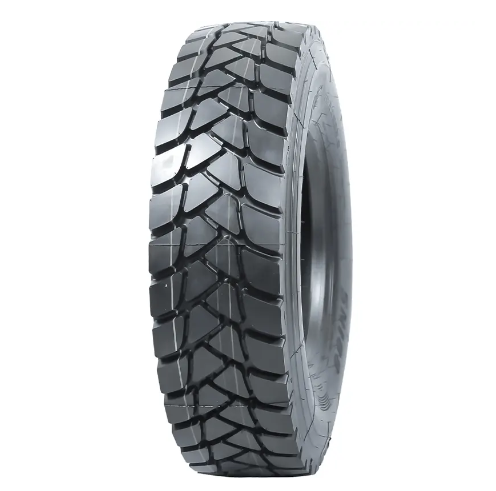
A fleet manager walks the yard on a Monday morning and notices a set of drive tires with the outer shoulders scrubbed down to the wear bars while the center tread still has usable rubber. The tires were top brand, qualified products purchased with the expectation of a long and predictable service life. Now they are coming off the rims thousands of kilometers earlier than the budget forecast. The immediate reaction is often to blame the tire, but a quick audit of the maintenance log tells a different story. Inflation checks were sporadic, rotation was delayed by a busy season, and alignment records were missing entirely. This is the moment every fleet operator eventually confronts. The purchase of a qualified truck tire is not the finish line of a procurement process. It is the starting line of a management responsibility that determines whether that tire delivers its full value or becomes an expensive lesson in deferred maintenance.
Inflation Pressure Is the Foundation Everything Else Sits On
Tire inflation pressure is the single most influential variable in a truck tire's service life, and it is also the most frequently neglected. Every tire carries its load on a cushion of compressed air, and the pressure of that air determines the shape of the contact patch where rubber meets road. When a tire is underinflated, the sidewalls flex excessively, the shoulders carry a disproportionate share of the load, and the tread surface squirms against the pavement generating heat that degrades the casing from within. The result is shoulder wear that accelerates rapidly once it begins, and a casing that may be too heat damaged to retread when the original tread is gone. When a tire is overinflated, the contact patch rounds inward, concentrating wear on the center ribs and reducing traction on wet surfaces. The correct inflation pressure, set to the tire manufacturer's load and pressure tables and checked when the tire is cold, distributes the vehicle's weight evenly across the full tread width. That even distribution is what converts rubber compound into predictable kilometers. Ambient temperature matters here as well. A tire inflated on a cold winter morning will gain pressure as it rolls and heats up, while a tire checked in the heat of a summer afternoon may fall below its minimum pressure when the temperature drops overnight. Consistent cold pressure checks are the cheapest and most effective tire management tool a fleet owns.
Why Your Steer, Drive, and Trailer Tires Age Differently
A truck is not a single vehicle from the perspective of its tires. It is three distinct operating environments connected by a frame. The steer axle tires are subjected to scrubbing forces during every turn, as the front wheels pivot and the tread blocks fight lateral friction against the pavement. This produces a characteristic wear pattern that rounds the outer edges of the tread. The drive axle tires absorb engine torque and convert it into forward motion, which creates a different wear dynamic driven by circumferential slip. Every acceleration event, even a gentle one, involves a microscopic slip between the tread and the road surface that gradually erases rubber from the drive tires in a way the free rolling steer and trailer tires do not experience. Trailer tires endure a unique form of torture. During tight maneuvering and docking, trailer axles are dragged laterally across the pavement, scrubbing the tread sideways in a motion that can produce irregular wear patterns and flat spotting. A rotation strategy that acknowledges these different wear mechanisms can extend the overall life of a tire set by moving tires to positions where their existing wear pattern can be normalized. A drive tire with even but accelerated wear may finish its life on a trailer axle, while a trailer tire with minor irregular wear can sometimes recover on a steer position where the constant lateral forces help round the tread back into shape.
What Tire Industry Guidelines Say About Casing Preservation
The original tread is only the first life of a qualified truck tire. Tire industry associations publish detailed guidelines on casing inspection, retread eligibility, and repair limits that define the pathway from a worn original tread to a successful retread and beyond. The critical factor in every retread decision is the condition of the casing, and casing condition is almost entirely determined by how the tire was maintained during its first life. A casing that ran underinflated may have internal ply separation that is invisible from the outside. A casing that was run over curbs or through potholes may have impact breaks in the sidewall that disqualify it from retreading. A casing that was removed before the tread wore into the belt package retains the structural integrity to be retreaded multiple times. The retread process itself is a sophisticated industrial operation that applies new tread rubber to a sound casing using a curing process similar to new tire manufacturing. It extends the tire's service life at a fraction of the cost of a new tire, but it only works when the casing that arrives at the retread plant has been protected by consistent, competent maintenance throughout its first life.
A Transparent Look at What Poor Maintenance Actually Costs Per Mile
The financial case for tire maintenance is best made by looking at what happens when it is absent. An underinflated tire experiences increased rolling resistance, and rolling resistance translates directly into fuel consumption. Even a moderate pressure deficit across multiple tires on a tractor trailer adds a measurable fuel penalty that compounds over tens of thousands of kilometers. Beyond fuel, there is the cost of unscheduled downtime. A tire failure on the road means a service call, a delay that can cascade through a delivery schedule, and in the worst case, damage to the vehicle or cargo from a tread separation or blowout. Then there is the cost of the tire itself. A tire that could have run for additional service life if properly maintained gets scrapped early, and its replacement is purchased at today's price, not the price from when the original tire was bought. The budget impact of premature tire replacement across an entire fleet is significant enough that even a modest improvement in maintenance discipline produces a measurable return.
Starting with a Tire Engineered for a Long and Manageable Life
A maintenance program can only extract the value that a tire's construction put there in the first place. A truck tire built with consistent rubber compounding, a precisely formed tread pattern, and a robust casing architecture responds to proper care with predictable wear and retreadability. A tire with inconsistent material quality or manufacturing defects will frustrate even the most diligent maintenance efforts, because the failure is baked into the product before it ever mounts a rim. This is why the choice of tire supplier matters as much as the maintenance routine that follows. SUNOTE supplies qualified truck tires with the understanding that fleet operators need products that perform predictably under proper management. The manufacturing discipline behind every tire, from compound mixing to final inspection, creates the baseline that allows a disciplined maintenance program to deliver lower cost per kilometer and more retread cycles, which is exactly the value proposition that defines a smart fleet tire investment.
Table of Contents
- When a Premium Tire Wears Out Before Its Time
- Inflation Pressure Is the Foundation Everything Else Sits On
- Why Your Steer, Drive, and Trailer Tires Age Differently
- What Tire Industry Guidelines Say About Casing Preservation
- A Transparent Look at What Poor Maintenance Actually Costs Per Mile
- Starting with a Tire Engineered for a Long and Manageable Life