
 EN
EN
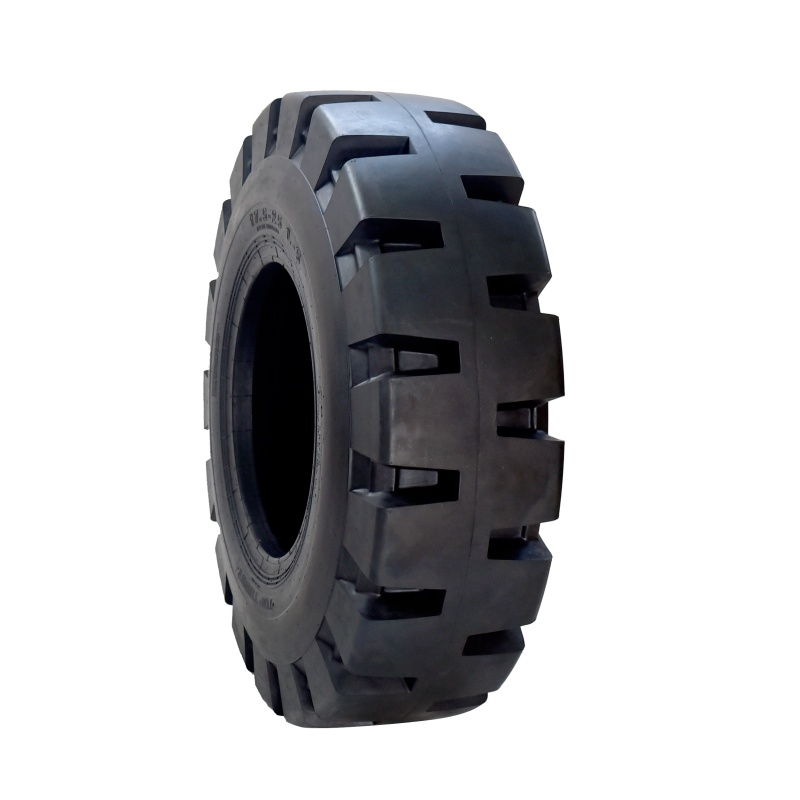
How Wet Road Semi Truck Tyres Prevent Hydroplaning
Tread Depth Thresholds and Their Direct Impact on Hydroplaning Resistance
Getting enough tread depth in tires matters a lot when it comes to avoiding hydroplaning situations. According to studies from the National Highway Traffic Safety Administration, tires with less than 7/32 inch of tread depth actually cut down their ability to push water away by around 45%. This means drivers face much higher risks of losing control at speeds over 50 mph when roads are wet. Tests across the industry back this up too. Tires that have worn down to 4/32 inch or less basically lose about 70% of what makes them work properly on wet surfaces, so those tiny puddles become serious problems for grip. Most fleet managers now require checking tire treads every 15,000 miles because even something as small as 2/32 inch wear can make stopping distances jump by nearly 25 feet during heavy downpours.
Optimized Tread Pattern Geometry for Rapid Water Evacuation
Advanced groove engineering combats hydroplaning through precision water channeling. Leading designs feature:
- Circumferential grooves exceeding 12mm width to redirect 30 gallons/minute at highway speeds
- Angled lateral sipes creating capillary action to fracture water films
-
Asymmetric void ratios (35–40%) balancing fluid displacement and rubber-to-road contact
A 2023 Tire Technology Journal study validated that optimized geometries reduce aquaplaning onset speed by 12 mph versus conventional treads. Computational fluid dynamics models prove zig-zag groove networks evacuate water 0.2 seconds faster—critical for preventing momentary floatation during sudden downpours.
Wet Grip Technology: Compounds, Construction, and Real-World Braking
Silica-Enhanced Rubber Compounds for Consistent Wet Road Semi Truck Tyres Grip
Today’s wet road semi truck tires are made with special rubber compounds that contain silica to improve their grip when roads are wet. When these tiny silica particles get mixed into the tire tread, they form little channels that help the tire stay flexible while pushing water away from the contact patch. According to research published in Tyre Technology Quarterly last year, this design cuts down the chances of hydroplaning by around 30% compared to older tire materials. What makes these tires really stand out is how well they perform regardless of temperature changes. Drivers can count on reliable stopping power even during those unexpected emergency brakes on slick highway surfaces after heavy rains. And there are plenty of other benefits worth mentioning too.
- Faster water evacuation through optimized polymer chains
- Improved hysteresis for heat dissipation during prolonged braking
- Extended tread life without compromising wet adhesion
Braking Distance Degradation in Wet Conditions: Wear-Related Performance Loss
Tread wear directly impacts wet braking performance. Independent testing shows a 4/32" tread depth increases stopping distance by 42 feet versus new tyres at 50 mph. As grooves shallow:
- Water channels narrow, reducing evacuation capacity
- Silica compound effectiveness drops below 3/32" depth
- Hydroplaning risk rises exponentially on flooded roads
This degradation underscores why regular inspections are non-negotiable for fleet safety.
Balancing Safety, Durability, and Efficiency in Wet Road Semi Truck Tyres
Getting the most out of semi truck tires on wet roads means dealing with three main issues that tend to pull in different directions: stopping power when hydroplaning happens, how long the treads last before needing replacement, and what kind of effect they have on fuel economy. The deeper the tread grooves are cut into the tire, the better they work at pushing water aside at those highway speeds, but these same deep grooves wear down much quicker too. That means more trips back to the tire shop for replacements, which definitely adds up over time. Tires made with special rubber containing lots of silica hold onto rain soaked pavement pretty well, but this comes at a cost since such materials usually create more drag against the road surface, making trucks burn more gas. Tests across the industry show there can be anywhere from 4 to 7 miles per gallon difference between tires designed primarily for traction versus ones built for lower rolling resistance. Fleet managers face quite the dilemma here. Wanting top notch stopping power in wet conditions might mean putting up with tires that wear out 15 to 20 percent faster or paying slightly more for fuel. Some big name tire makers tackle this problem by creating tires with multiple zones in their design. They combine those deep channels around the tire circumference that help push water away with stronger shoulder areas that resist wearing down so fast. Plus they throw in some fancy new polymer blends that help bridge the gap between good grip and efficient operation. At the end of the day, finding the right mix really depends on where trucks operate most often. Coastal regions where rain is constant will generally go for tires that perform best in wet conditions, whereas companies running long distances across drier areas tend to focus more on getting their money’s worth from each set of tires.
Top Performing Wet Road Semi Truck Tyres: Michelin, Goodyear, and Yokohama Compared
Steer Axle Wet Traction Benchmarks: X One, Fuel Max, and MY507 Field Data
Looking at actual field data shows there are pretty big differences when it comes to how well various steer axle tires perform on wet surfaces. The Michelin X Line Energy Z stands out for resisting hydroplaning better than most others. Fleet managers report these tires last anywhere from 150 thousand to 200 thousand miles without losing their grip in wet conditions. This seems to come down to their directional tread pattern plus the special silica compound they use. On the other hand, Goodyear’s Fuel Max line focuses mainly on saving fuel but drivers notice something happens after about half the tire wears down. Wet braking distances get worse compared to brand new ones. Yokohama makes the MY507 which has lots of tiny sipes that work great right when rain starts falling. However tests show these stop a bit slower than Michelin tires once roads become really soaked. If someone wants good performance for semi trucks on wet roads, look for treads that change shape as they wear and materials that don’t get too hard over time.
FAQ
What causes semi truck tyres to hydroplane? Hydroplaning happens when tires lose traction on wet road surfaces, primarily due to inadequate tread depth and ineffective water evacuation.
How does silica improve tire grip? Silica forms channels in the tire compound, maintaining tire flexibility and aiding in effective water displacement.
What’s the difference between tyres designed for traction and those for fuel efficiency? Tires optimized for traction tend to have deeper grooves for better grip in wet conditions but may result in faster tread wear and increased fuel consumption.
Which semi truck tires perform best in wet conditions? The Michelin X Line Energy Z is noted for its superior wet traction due to its directional tread pattern and silica enhancements.