
 EN
EN
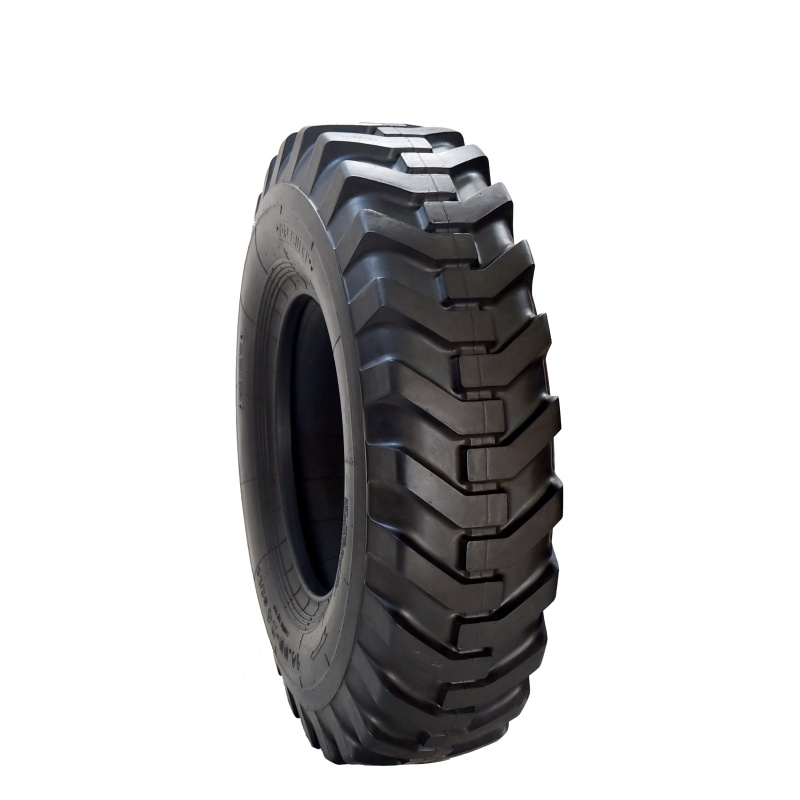
Why Quality Semi Truck Tyres Are the Highest-ROI Fleet Investment
Beyond upfront cost: How compound engineering, casing durability, and retreadability drive total cost of ownership (TCO)
Budget tyres might look attractive because they cost less upfront, but premium semi truck tyres actually save money over time thanks to their engineering features that cut down on operating costs mile after mile. The rubber used in these high quality tyres stays cooler and rolls easier, which means better gas mileage around 2 to 3 percent improvement and less strange wearing patterns across the tread surface. What really matters though is how durable they are. These tyres can go through three or four retreading cycles before needing replacement, so their lifespan gets extended four times longer than cheaper alternatives. That dramatically cuts down on replacement expenses too maybe as much as 60% savings each time they're put back into service. Looking at it another way, saving just one dollar on buying a budget tyre often ends up costing fleet operators between four and seven dollars later due to having to replace them sooner, losing valuable hours when trucks sit idle, and burning through extra fuel because of poor performance characteristics throughout their shorter lives.
Evidence-based longevity: 25–40% longer service life vs. budget tyres – validated by Bridgestone Commercial Tire Systems (2023)
Field data confirms the financial superiority of premium tyres. A landmark 2023 study by Bridgestone Commercial Tire Systems found they deliver 25–40% longer service life than economy alternatives. This extended lifespan directly reduces:
- Replacement frequency and inventory costs
- Unscheduled downtime incidents by 18%
- Cost-per-mile metrics by 31%
According to the study, fleets that switched to premium tyres got anywhere from 250k to 300k extra miles out of each tyre casing by sticking to proper retreading schedules. That adds up to around $5,800 saved per tyre spot over five years if we look at both fuel costs and fewer roadside repairs needed. Looking at these numbers makes it pretty clear why spending more upfront on quality tyres pays off big time compared to other fleet improvements. The money saved comes from multiple angles across day to day operations, which is why many operators now see this as one of the smartest investments they can make for their business.
Proactive Maintenance Strategies for Quality Semi Truck Tyres
Precision inflation management: How ±10 PSI increases tread wear by 15% and erodes fuel efficiency by up to 2%
Keeping tyres properly inflated is probably the single biggest maintenance task that gets ignored too often. When pressure drops just 10 PSI below what the manufacturer recommends, studies show tire shoulder wear increases around 15% and fuel efficiency plummets by about 2%. What happens? The contact patch becomes uneven, which means higher rolling resistance. Engines have to work harder, and the tread wears down faster than it should. For best results, install those automated TPMS systems but don't forget regular manual checks every couple weeks with good quality pressure gauges. Most fleet managers find that sticking to a ±3 PSI window saves them somewhere between 8% and 12% on overall operating expenses because tires last longer and fuel consumption stays under control.
Rotation, alignment, and balancing: Preventing uneven wear and avoiding premature scrapping through disciplined scheduling
Rotating tires systematically at around 25,000 mile intervals helps spread out the wear across different axle positions. This balances out those uneven forces that happen when steering, driving, or towing causes different kinds of stress on each wheel. Don't forget regular laser alignments too. Get these done every three months to check and adjust toe, camber, and caster angles, particularly important after hitting curbs or driving on really rough roads. Wheels that aren't balanced right can create vibrations exceeding 0.25 inches per second. These vibrations don't just ruin tire treads quickly, they actually send damaging shockwaves through the entire suspension system. Fleet managers who stick to strict 8 week inspection schedules see about a 22% drop in early tire replacements. Their tires last longer for retreading as well, usually getting 2 to maybe 3 extra lives out of them. That adds up to roughly $1,400 saved per tire spot throughout its whole working life simply by making sure everything gets used to maximum capacity.
Strategic Selection of Quality Semi Truck Tyres by Application and Duty Cycle
Matching load index, tread pattern, sidewall reinforcement, and speed rating to terrain, trailer configuration, and operational demands
Selecting quality semi truck tyres requires precise alignment with operational realities. Trucks navigating mountain passes demand deep-tread patterns and reinforced sidewalls for cut resistance, while highway fleets prioritize low-rolling-resistance designs. Consider these factors:
- Load index must exceed maximum gross vehicle weight by 15–20% for safety margins
- Tread design dictates wet-weather performance (ribbed for stability vs. lugged for traction)
- Speed ratings should accommodate sustained cruising speeds to prevent casing degradation
Building a TCO/ROI model: Integrating purchase price, fuel savings (up to 3.5%), retread potential, downtime cost ($750/hr), and residual value
A comprehensive Total Cost of Ownership (TCO) model reveals why premium tyres deliver 19–34% higher ROI than budget alternatives. Factor in:
| Cost Component | Premium Tyre Impact | Budget Tyre Impact |
|---|---|---|
| Fuel Efficiency | Up to 3.5% savings via optimized compounds | 0–1.5% savings |
| Retread Cycles | 2–3 retreads per casing | ±1 retread |
| Downtime Cost | 25% fewer failures | Industry average $750/hour downtime |
| Residual Value | 40% higher resale | Negligible resale value |
This quantifiable approach proves that application-specific tyre selection reduces operational costs by up to $11,500 annually per truck.
Leveraging Data and Technology to Optimize Tyre ROI
When companies start using telematics along with those little IoT sensors, tire management changes completely from something we fix after problems happen to something we can actually predict ahead of time. This means better money spent on good quality semi truck tires over the long run. By keeping track of things like air pressure, how hot the tires get during operation, and when the tread starts wearing down, fleet managers catch small problems early before they turn into big headaches that cost thousands in repairs or stop work altogether. These fancy data analysis tools then take all that information and figure out when tires need replacing, plan for retreading options, and spot where operations might be wasting resources. What results is basically a circular system where every piece fits together so trucks stay on the road longer while saving cash at the same time.
Digitized inspection workflows reduce assessment time by up to 40% while improving accuracy through standardized mobile checklists. When integrated with fleet management systems, these technologies provide actionable insights into wear patterns and performance trends. The resulting proactive maintenance strategies compound savings across the tyre lifecycle through:
- Extended casing longevity
- Preserved fuel efficiency (up to 3.5%)
- Minimized $750/hour downtime costs
- Optimized retread potential
This data-driven approach turns tyre performance metrics into strategic decisions, significantly reducing total cost of ownership while enhancing operational reliability.
FAQ
-
Why are premium tyres considered a better investment even though they cost more upfront?
Premium tyres provide longer service life, better fuel efficiency, and lower overall maintenance costs, which together result in significant savings over time. -
How does inflation management impact tyre performance?
Proper inflation management ensures optimal performance by maintaining fuel efficiency and reducing tread wear, extending the tyre's lifespan. -
What strategic decisions can be aided by telematics and IoT in tyre management?
Telematics and IoT sensors allow fleet managers to monitor tyre conditions in real-time, enabling predictive maintenance and resource optimization strategies. -
How does strategic tyre selection maximize ROI?
Selecting tyres based on load index, tread pattern, and speed rating tailored to specific operational demands optimizes performance, maximizing the ROI.