
 EN
EN
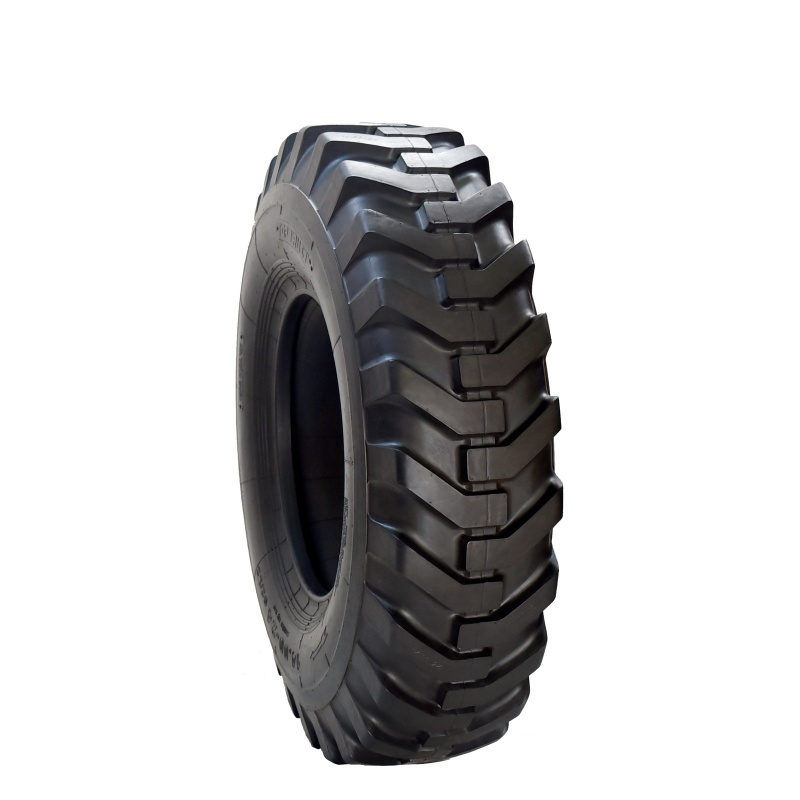
Hydroplaning Risk Mitigation in Wet Road Semi Truck Tyres
Hydroplaning poses critical safety hazards for heavy-duty vehicles, occurring when a layer of water separates tyres from the road surface. Mitigating this risk demands precision engineering of tread depth, void volume, compound chemistry, and groove architecture—especially under the high loads and sustained speeds typical of long-haul operations.
How Tread Depth and Void Volume Affect Hydroplaning Thresholds at Highway Speeds
How deep the tread is on tires plays a big role in how well they resist hydroplaning. When tread gets down to about 2/32" thick (around 1.6 mm), there's a real risk of losing control at speeds between 35 and 45 mph according to The Automotive Service Center. That's not much room for error when hauling cargo on highways. The amount of empty space inside tire grooves, what we call void volume, determines how effectively water gets pushed away from under the tire. Keeping treads deeper than 4/32" (about 3.2 mm) and getting those groove spaces right can boost resistance against hydroplaning by more than 30%. This makes all the difference when driving through heavy rain. Semi trucks need even more space in their treads because they carry so much weight and create far more water movement while driving. These big rigs typically need around 35 to 40% of their tire area dedicated to these void spaces just to maintain grip when water accumulates over half an inch deep on roads.
Optimized Tread Patterns for Rapid Water Evacuation in Heavy-Duty Applications
Tire treads designed with directional patterns and wide lateral grooves work better at moving water away from where the tire meets the road surface. When it comes to commercial trucks, the circumferential grooves need to start out at least 12 mm deep and connect properly across the entire tread area so they can push large amounts of water aside when carrying heavy loads. Engineers focus on several important factors here. They look at how wide versus how deep each groove should be to keep dirt and small objects from getting stuck inside. There are also those tiny slits called sipes that angle inward and actually open up when pressure builds underneath them, giving extra grip on wet surfaces. And don't forget about the reinforced blocks along the shoulders of the tire that help keep everything stable as water gets forced out sideways during hard braking or cornering. All these design elements together mean better contact with roads even when conditions are really slick, cutting down on dangerous hydroplaning situations while still keeping the tire structurally sound for long term use.
Tread Compound Science: Maximizing Wet Grip Without Sacrificing Durability
Silica-Enhanced Polymers vs. Conventional Blends for Wet Road Semi Truck Tyres
Today's wet road semi truck tires are moving away from traditional carbon black compounds and incorporating silica enhanced polymers instead. The newer materials give about 30 percent better side grip when roads are slick, which makes all the difference when trying to keep trucks going straight despite heavy cargo weights. What happens at a molecular level is pretty interesting too. Silica forms tiny water repelling channels in the rubber while still keeping it flexible even in cold weather conditions. This actually cuts down on heat buildup during operation by around 30 degrees Fahrenheit compared to driving on dry pavement, so the tires don't wear out as fast and drivers stay safer from losing contact with wet surfaces. Another big plus is that these reinforced polymer structures stand up much better to damage from sharp turns and sudden stops, meaning consistent handling whether crossing icy mountain passes or navigating city streets.
The Wear-Grip Tradeoff: Engineering Compounds for Long-Haul Wet-Road Reliability
Getting the right balance between wet grip, wear resistance, and rolling resistance is what tire engineers call the "magic triangle," and it takes some serious material science know-how. Modern wet road compounds have these fancy multi-layer polymer structures that keep the tires flexible even as the tread starts to wear down. They also contain special hydrophobic additives that push water away while still maintaining good elasticity. And there are these tiny microstructures built into the rubber that help dissipate energy and prevent the tire from getting too hard when it heats up. According to field tests, silica modified compounds can hold onto about 85% of their initial braking power after covering 100,000 miles, which beats out regular tire mixes by a long shot. The secret behind this lasting performance lies in how stress gets distributed across the tread pattern. These advanced designs maintain high friction levels (over 0.8g) during emergency stops, even when the tires are pretty worn out. For commercial vehicle operators, this means they can stretch out retread intervals by around 20% without having to worry about safety issues on wet pavement.
Braking Performance and Stopping Distance on Wet Roads
Empirical Impact of Tread Depth Reduction (4mm ' 1.6mm) on Wet-Braking Distance
When tire treads wear down from 4 mm to just 1.6 mm, stopping distances on wet roads get much worse for big trucks. According to testing done by Hunter Engineering, there's actually a 26 percent jump in how far it takes to stop at 60 mph. The numbers go from around 282 feet when tires are fresh (about 3.2 mm deep) all the way up to 356 feet once they're worn down to 1.6 mm. That extra 74 feet makes a huge difference in safety as tires continue to wear away. Research from DEKRA backs this up too. Their findings indicate that tires with only 1.6 to 2 mm remaining take between 16 and 18 percent longer to stop properly in wet conditions compared to brand new ones. Big rigs carry so much weight and momentum that even small increases in stopping distance can mean the difference between avoiding an accident and getting into one, particularly during unexpected downpours or when driving through city streets after heavy rains.
Advanced Wet-Road Tread Design Elements: Siping, Groove Geometry, and Load Distribution
Optimizing wet-road performance for heavy vehicles requires specialized tread engineering beyond basic patterns. Three interdependent elements work synergistically to combat hydroplaning and maintain grip:
Siping technology employs micro-slits (0.2–0.8 mm wide) in tread blocks that open during road contact, generating capillary suction to wick away thin water films. This multiplies effective biting edges by 300–500% versus non-siped designs—significantly improving micro-traction on slick surfaces.
-
Groove geometry strategically manages water evacuation through four critical parameters:
Parameter Wet-Performance Impact Heavy-Duty Requirement Circumferential depth Prevents hydroplaning at speed Minimum 12 mm initial depth Lateral groove angle Directs water away from centerline 30–45° optimized flow Void-to-rubber ratio Balances water displacement & footprint 35–40% for highway speeds Progressive narrowing Maintains performance as tread wears 20% width reduction gradient Engineering for load distribution helps maintain even ground contact when dealing with axles carrying over 18,000 pounds. By modeling different block stiffness levels on computers, engineers can stop excessive pressure from building up right in the middle of the tread area. This spot is where most traditional designs fail, leading to faster tire wear and worse stopping power when roads are wet, sometimes as much as 18% worse according to some tests. Today's better approaches include blocks with tapered edges and stronger base structures. These improvements keep water moving away properly and maintain good contact pressure across the entire lifespan of the tire, which makes all the difference in real world driving conditions.
FAQ
What is hydroplaning?
Hydroplaning occurs when a layer of water causes tires to lose contact with the road surface, leading to a loss of traction and control.How does tread depth affect hydroplaning?
Deeper tread helps in dispersing water more effectively, reducing the risk of hydroplaning.Why are silica-enhanced polymers preferred for wet road tyres?
Silica-enhanced polymers provide better grip and temperature regulation, enhancing safety in wet conditions.What is the impact of tread wear on stopping distance?
Worn tread increases stopping distance significantly, especially in wet conditions.How does groove geometry affect water evacuation?
Groove geometry ensures efficient water displacement, enhancing grip on wet roads.
Table of Contents
-
Hydroplaning Risk Mitigation in Wet Road Semi Truck Tyres
- How Tread Depth and Void Volume Affect Hydroplaning Thresholds at Highway Speeds
- Optimized Tread Patterns for Rapid Water Evacuation in Heavy-Duty Applications
- Tread Compound Science: Maximizing Wet Grip Without Sacrificing Durability
- Braking Performance and Stopping Distance on Wet Roads
- Advanced Wet-Road Tread Design Elements: Siping, Groove Geometry, and Load Distribution
- FAQ