
 EN
EN
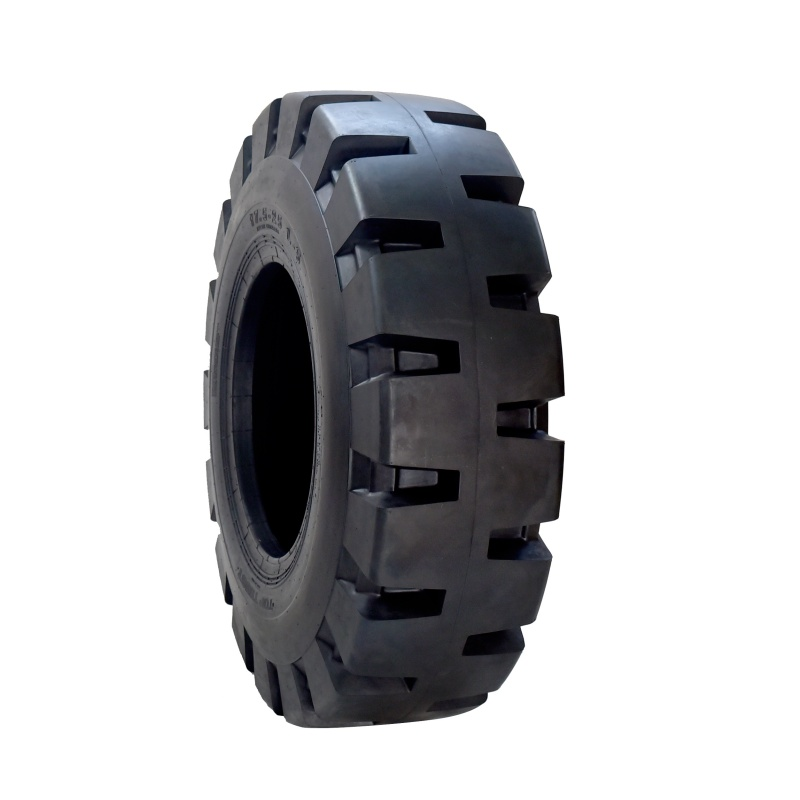
Custom Semi Truck Tyres: Precision Engineering for Load, Axle, and Chassis Compatibility
Optimizing axle load distribution and suspension alignment with bespoke sizing
Custom made semi truck tires are changing the game when it comes to managing loads properly because they're calibrated specifically for each axle. Generic tires just don't cut it compared to these custom sizes which spread weight evenly across all axles something that stops those annoying issues with uneven tire wear and saves money on expensive suspension repairs down the road. When tires actually fit the chassis dimensions right, they keep the camber and toe angles where they should be while driving around. This means less weird tread wear patterns and better handling when taking corners or making sudden stops. Trucking companies have noticed their tires last about 15% longer when they get them built for their particular GVWR specs. How does this magic happen? Engineers scan the suspension geometry digitally and collect live data from load sensors. All this info gets used to design tire profiles that adjust themselves as weights shift back and forth during normal driving conditions.
Reinforced construction and compound selection for heavy-duty, long-haul, or regional duty cycles
Semi truck tires made for specific jobs often have multiple layers of steel inside them plus special rubber mixtures designed for how they'll actually be used on the road. When trucks need to travel across country for long periods, manufacturers use rubber that can handle heat better so the tires stay flexible even at highway speeds. This helps cut down on resistance when rolling along, saving around 8 to 12 percent in energy costs. For those trucks doing shorter trips within cities, the sides of the tires get extra protection against cuts from things like sharp objects or curb damage through reinforcement with aramid fibers. How these tires are made depends a lot on what kind of driving they'll face. Trucks going long distances tend to get tires with silica added to their tread patterns because it makes them more fuel efficient. Meanwhile, tires for mixed service conditions usually contain more natural rubber which gives better traction on wet surfaces. All these smart material choices make a big difference in overall costs for fleet operators who report getting roughly 60 thousand additional miles out of these specialized tires compared to regular ones under similar working conditions.
Tread Design Intelligence: Matching Custom Semi Truck Tyres to Real-World Operating Conditions
Highway vs. Mixed-Use vs. Severe-Service Tread Patterns—and How to Choose
The design of highway tires focuses on reducing rolling resistance while keeping noise levels down. Manufacturers achieve this with shallower groove patterns and long continuous rib sections that help minimize heat generation when vehicles are traveling at high speeds for extended periods. According to the latest Fleet Efficiency Benchmark Report from 2024, these improvements can boost fuel economy anywhere between 3% to 5%. For mixed road conditions, tire makers create treads with deeper sipes and blocks arranged in a staggered pattern. These allow better grip whether driving on pavement, gravel surfaces, or even wet roads. That makes them particularly useful for delivery trucks operating in regions with changing landscapes. When it comes to really tough environments like construction zones or mining areas without proper roads, severe service tires take a different approach. They have more aggressive open shoulder designs combined with extra reinforcement beneath the tread surface. This helps push out debris effectively and stops stones from getting embedded in the rubber, which matters a lot where punctures could be dangerous or costly.
Balancing Traction, Rolling Resistance, Wear Life, and Noise Reduction in Custom Tyre Design
Optimizing custom semi truck tyres requires reconciling competing performance priorities. Deeper treads enhance wet-surface traction—reducing braking distance by up to 15% in rain—but increase rolling resistance. Harder compounds extend tread life by 20% yet compromise cold-weather grip. Advanced solutions include:
- Directional treads with angled grooves to reduce hydroplaning while maintaining fuel efficiency
- Variable pitch sequencing that disrupts harmonic noise frequencies without sacrificing wear resistance
- Silica-infused compounds improving wet traction and heat dissipation, extending retreadability
This balance directly impacts operational costs: a 10% reduction in rolling resistance lowers fuel consumption by 1.5%, while extending tyre life by 25% reduces annual replacement expenses by $740,000 for large fleets, per the Ponemon Institute's 2023 Commercial Fleet TCO Analysis.
The Operational ROI of Custom Semi Truck Tyres: Safety, Uptime, and Fuel Efficiency
Quantifying improvements in braking performance, stability, and fuel economy
Custom made semi truck tires engineered for precision actually make a real difference in both safety and how efficiently these big rigs operate. When tested on wet surfaces, special tread compounds have been found to shorten stopping distances by around 15% compared to regular tires. The fuel savings are pretty impressive too. Tires with lower rolling resistance can slash fuel usage somewhere between 3% and 5%, which means about seven thousand five hundred dollars saved each year for every tractor truck out there given today's diesel costs. What makes these tires stand out is their stability. The sidewalls are reinforced specifically for different axle weights, something that matters a lot when dealing with strong crosswinds or needing to swerve suddenly to avoid obstacles on the road.
Reducing unplanned downtime: How custom tyres mitigate common failure modes
Bespoke construction prevents three major downtime drivers:
- Irregular wear: Axle-specific tread patterns eliminate shoulder scrubbing—the leading cause of premature removals, responsible for 32% of early tyre retirements
- Heat buildup: Regional-duty casings with thermal-resistant materials reduce blowout risks by 40% in sustained highway operations
- Impact damage: Reinforced bead bundles withstand curb strikes during urban deliveries
These design interventions extend average service life by 20,000 miles and cut replacement frequency by 25%. Fleet operators report an 18% reduction in roadside emergencies within the first year of adopting custom tyre programs.
FAQ
What are custom semi truck tyres?
Custom semi truck tyres are tires specifically designed and manufactured to fit the exact specifications of a semi-truck, taking into account load, axle, and chassis compatibility.
How do custom tyres improve fuel efficiency?
Custom tyres enhance fuel efficiency by reducing rolling resistance and optimizing tread design, which can lead to a reduction in fuel consumption by up to 5%.
What is the benefit of reinforced construction in semi truck tires?
Reinforced construction provides extra durability and resistance to heat, abrasion, and impact damage, significantly extending the tire's service life and reducing the risk of failures on the road.
How do custom tyres affect braking performance?
Custom tyres improve braking performance by optimizing tread patterns and rubber compounds to significantly reduce stopping distances, especially on wet surfaces.