
 EN
EN
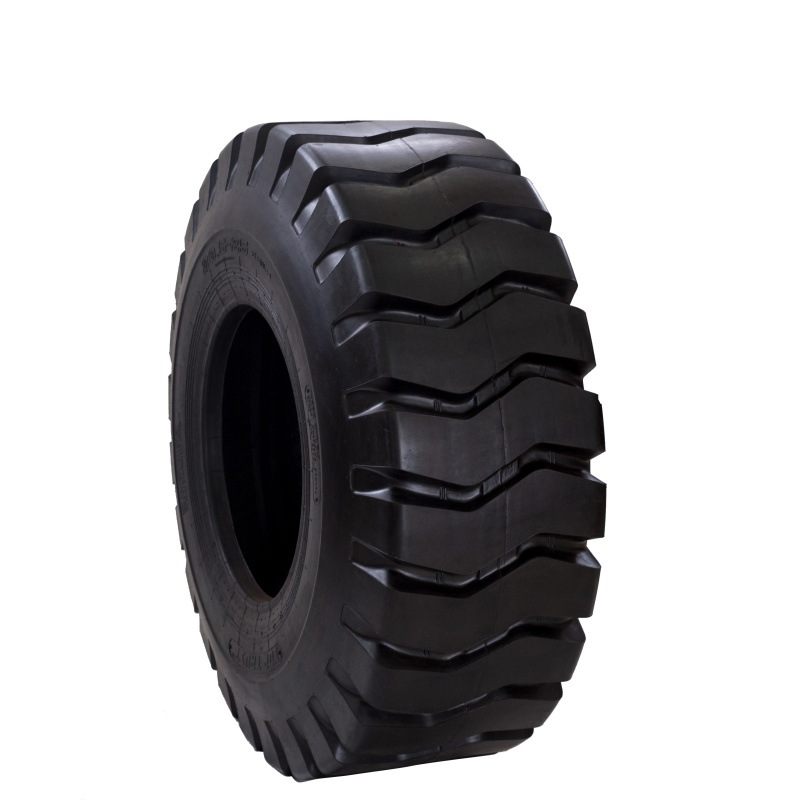
Understanding Tire Load Capacity and Manufacturer Specifications
How Tire Load Rating and Weight Capacity Determine Safe Hauling Limits
Tyres on semi trucks need to handle about 20 to 25 percent of the whole vehicle's weight. Load ratings like 149/145K tell drivers what each tyre can carry when used alone or in pairs. Look at the side of the tyre and there's this number called the load index. That number actually means something real important. Take load index 152 for example it can take around 7,385 pounds if the air pressure is just right. When people overload their tyres beyond what they're rated for, bad things happen. The truck becomes unstable and the tyres get hotter than normal. This extra heat is one of the main reasons why tyres start coming apart from the rim, which nobody wants to deal with on the highway.
The Role of Ply Ratings and Load-Bearing Capacity in Heavy-Duty Performance
The numbers on tire sidewalls like 18PR don't actually count fabric layers but instead indicate how strong and stiff the tire is. When heavy duty trucks need to handle their full 80,000 pound gross vehicle weight rating, those higher ply ratings become really important for spreading out the load properly across all wheels. Most modern radial tires built with steel belts can carry about 12 to 14 percent more weight compared to older bias ply tires, even when inflated to lower pressures. The Federal Motor Carrier Safety Administration has found that incorrect or mismatched ply ratings show up in nearly one out of five tire inspections where problems get flagged.
Matching Semi Truck Tyres to Manufacturer Specifications for Optimal Safety and Efficiency
OEM guidelines specify precise tire dimensions, speed ratings, and load ranges tailored to each axle configuration. Deviations can lead to:
- 6-9% reduction in fuel efficiency due to improper rolling resistance
- Accelerated wear on suspension systems
- Voided warranties from non-compliant replacements
Adhering to manufacturer specs ensures safety, performance, and long-term cost savings.
Case Study: Overloading Risks and Real-World Tire Failure Due to Mismatched Load Ratings
Looking at fleet data from 2023 shows something pretty concerning: about a third of all blowouts happened on trailers where the steer tires couldn't handle the weight they were carrying on the rear axles. Take one real world example we came across recently. A truck was running on 14PR tires spec'd for around 5,800 pounds, but ended up hauling closer to 6,200 lbs. That's just a 7% difference, yet it led to an expensive flat tire situation costing nearly $18,000 worth of damaged goods. Most industry pros these days suggest building in at least a 10% safety margin when calculating loads. Why? Because temperatures change throughout the day and road conditions vary constantly. What works fine in the morning might not cut it by afternoon when everything gets hotter and heavier.
Functional Differences Between Steer, Drive, and Trailer Semi Truck Tyres
Front steer tires are built mainly for keeping vehicles going straight and wearing evenly when making turns. They usually come with those ribbed tread patterns that really help out on wet roads by grabbing better traction. The drive tires tell a different story though they need maximum grip for getting moving from a stop or climbing hills, which is why they tend to sport deeper lugs across their surfaces. Then there's trailer tires, designed specifically to handle sideways forces so trailers don't start swaying dangerously at high speeds. These tires generally have less aggressive tread depth since too much contact area creates excessive heat buildup over long trips, something nobody wants when hauling cargo down the highway for hours on end.
Radial Tires vs. Bias-Ply: Construction Advantages for Long-Haul Durability and Fuel Efficiency
Radial tires have steel belts positioned at right angles to where the vehicle is going, which makes their sidewalls more flexible. These flexible walls cut down on rolling resistance by somewhere between 20% and 30% when compared with older bias-ply designs. The way they're constructed keeps the tire treads making good contact with the road surface all the time, which actually helps save fuel too - around 3 to 5 percent according to studies from FMCSA back in 2023. On the other hand, bias-ply tires are made differently. They feature nylon layers crossing over each other at angles ranging from 30 to 45 degrees. Because of this construction method, these tires tend to be stiffer overall. Truckers often prefer them for rough terrain jobs or local deliveries where trucks get loaded and unloaded repeatedly throughout the day.
Selecting the Right Tire Type Based on Axle Position and Cargo Demands
Radial tires are standard for steer axles, offering superior handling on long-haul routes. Drive axles may use hybrid radial designs when balancing traction and efficiency is critical, especially in heavy hauling. For low-speed, high-abrasion environments like logging, bias-ply tires provide enhanced sidewall protection against punctures from debris.
Data Insight: Industry Shift Toward Radial Adoption
The 2024 Fleet Maintenance Report reveals that 85% of long-haul carriers now use radial tires exclusively for heavy cargo transport, reporting a 40% drop in heat-related failures compared to bias-ply alternatives. This shift aligns with American Trucking Associations (ATA) findings showing radial tires can exceed 100,000 miles under maximum load when properly maintained.
Key Selection Criteria Table
| Axle Type | Preferred Construction | Key Benefit | Typical Service Life |
|---|---|---|---|
| Steer | Radial | Precise steering response | 80,000-110,000 miles |
| Drive | Radial Hybrid | Traction + fuel efficiency | 60,000-90,000 miles |
| Trailer | High-Stamina Radial | Load stability & heat resistance | 100,000-130,000 miles |
Proper Inflation and Maintenance: Maximizing Load Support and Preventing Failures
Proper Tire Inflation and Cold Pressure Standards for Maximum Load Support
Maintaining semi truck tyres at manufacturer-specified cold pressure—measured before operation—is essential for achieving full load capacity. For every 10% drop below recommended PSI, radial tires lose 15-20% of their load-bearing ability (CVSA 2024). Cold inflation accounts for thermal expansion, as internal temperatures can surpass 170°F during sustained hauling.
Underinflation Dangers: Reduced Load Capacity and Increased Blowout Risk
Underinflated tires experience excessive sidewall flex, generating heat that degrades steel belts and bonding compounds. A tire rated for 6,500 lbs at 110 PSI may safely carry only 4,875 lbs when 25% underinflated. Inspection data shows 1 in 8 semi truck tyres operate below safe pressure levels, contributing to 37% of roadside tire failures.
Controversy Analysis: Why 30% of Tire Failures Stem from Incorrect Inflation Despite Available Technology
Despite the availability of automatic inflation systems and TPMS, adoption remains limited due to upfront costs and integration challenges. However, NHTSA estimates that preventable inflation-related breakdowns cost the industry $2.8 billion annually in delays and repairs—four times the investment needed for widespread monitoring system deployment.
Strategy: Implementing Pre-Trip Tire Checks to Prevent Catastrophic Failures
A structured 5-minute pre-trip inspection reduces inflation-related incidents by 63%:
- Use calibrated gauges to verify cold pressure (±5% variance acceptable)
- Test valve stems for leaks using soapy water
- Look for uneven wear patterns signaling chronic underinflation
- Check for residual heat in recently operated tires
This proactive approach helps maintain ≥95% of rated load capacity and extends tire life by 21% compared to reactive maintenance practices.
DOT and FMCSA Compliance: Key Regulations for Semi Truck Tyres Safety
Federal commercial truck tire safety standards set by FMCSA and CVSA
The Department of Transportation (DOT) and Federal Motor Carrier Safety Administration (FMCSA) enforce tire safety through 49 CFR 393.75, requiring proper inflation, structural integrity, and alignment with vehicle weight limits. The Commercial Vehicle Safety Alliance (CVSA) supports enforcement via roadside inspections, issuing violations for unsafe tires that compromise heavy cargo operations.
DOT minimum tread depth requirements for steer, trailer, and drive tires
FMCSA mandates a minimum 4/32-inch tread depth for steer tires and 2/32-inch for drive and trailer tires. Falling below these thresholds increases hydroplaning risk by 40% on wet surfaces. Inspectors prioritize tread depth on steer tires due to their role in steering and braking control.
Tire condition regulations: Exposed cords, bulges, cuts, and separations as violations
The following defects result in an immediate out-of-service designation under CVSA criteria:
- Exposed cords in tread or sidewall
- Visible belt or ply separations
-
Bulges indicating internal damage
A severe sidewall cut can reduce load capacity by up to 25%, increasing the likelihood of sudden failure or cargo instability.
Trend: Increasing enforcement of tire integrity rules in roadside inspections (CVSA 2024 data)
CVSA's 2024 International Roadcheck results show an 18% rise in tire-related out-of-service orders since 2022, with underinflation and physical damage responsible for 63% of violations. This trend reflects tighter enforcement of FMCSA's updated requirements for documented maintenance schedules and pre-trip inspection compliance.
FAQ Section
What does the tire load index indicate?
The tire load index indicates the maximum weight a tire can support when inflated to its proper pressure.
What's the difference between radial tires and bias-ply tires?
Radial tires have steel belts at right angles to the direction of travel, offering flexibility and fuel efficiency. Bias-ply tires have nylon layers at intersecting angles, providing stiffness and durability for rough terrain.
How does underinflation affect tire performance?
Underinflation results in excessive sidewall flex, generating heat, which can weaken tire components and increase blowout risk.
Why are pre-trip tire inspections important?
Pre-trip tire inspections help identify issues like leaks, underinflation, or abnormal wear, reducing the risk of tire failures on the road.
What are the FMCSA regulations for semi truck tires?
FMCSA regulations require proper tire inflation, minimum tread depth, and ensure tire integrity, to maintain safe operation under weight limits.
Table of Contents
-
Understanding Tire Load Capacity and Manufacturer Specifications
- How Tire Load Rating and Weight Capacity Determine Safe Hauling Limits
- The Role of Ply Ratings and Load-Bearing Capacity in Heavy-Duty Performance
- Matching Semi Truck Tyres to Manufacturer Specifications for Optimal Safety and Efficiency
- Case Study: Overloading Risks and Real-World Tire Failure Due to Mismatched Load Ratings
- Functional Differences Between Steer, Drive, and Trailer Semi Truck Tyres
- Radial Tires vs. Bias-Ply: Construction Advantages for Long-Haul Durability and Fuel Efficiency
- Selecting the Right Tire Type Based on Axle Position and Cargo Demands
- Data Insight: Industry Shift Toward Radial Adoption
-
Proper Inflation and Maintenance: Maximizing Load Support and Preventing Failures
- Proper Tire Inflation and Cold Pressure Standards for Maximum Load Support
- Underinflation Dangers: Reduced Load Capacity and Increased Blowout Risk
- Controversy Analysis: Why 30% of Tire Failures Stem from Incorrect Inflation Despite Available Technology
- Strategy: Implementing Pre-Trip Tire Checks to Prevent Catastrophic Failures
-
DOT and FMCSA Compliance: Key Regulations for Semi Truck Tyres Safety
- Federal commercial truck tire safety standards set by FMCSA and CVSA
- DOT minimum tread depth requirements for steer, trailer, and drive tires
- Tire condition regulations: Exposed cords, bulges, cuts, and separations as violations
- Trend: Increasing enforcement of tire integrity rules in roadside inspections (CVSA 2024 data)
- FAQ Section