EN
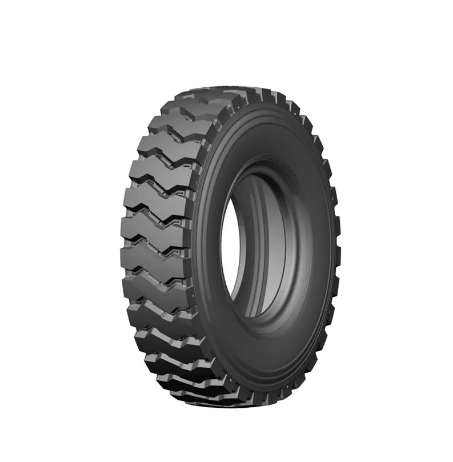
Start With Duty Cycle Data, Not Catalog Specs
A heavy duty truck tire is not a generic commodity. It is a system component that interacts with axle load, road surface, torque, heat, and driver behavior. In 2025, fleets that treat tires as a strategic asset are moving away from "one size fits all" purchasing. The first step is duty cycle data. Before reviewing a single casing or tread design, collect route profiles, average payload, axle weights, turning radius, seasonal temperature swings, and typical cruise speed. That sounds basic, but many spec sheets fail because the data never leaves the dispatch office.
A practical method is to segment the fleet into three to five duty groups. Long haul on interstate highways, regional delivery with frequent stops, construction hauling on broken pavement, and mixed urban routes each put different stress on a heavy duty truck tire. A tire that performs well in high-speed line haul may chip quickly in quarry service. A deep-lug drive tire may resist cuts but generate more rolling resistance and irregular wear in highway use.
In a retrofit project at a chemical plant in southern China, the maintenance team initially used the same drive tire across tanker trucks and yard shunters. After six months, shoulder cracking appeared on the highway units, while the yard units showed rapid rib wear from tight turns. Separating the two duty cycles and adjusting tread and compound choices reduced repeat failures. The lesson was not that one tire was bad. The lesson was that duty cycle mismatch is expensive.
Match Tread and Compound to Real Road Conditions
Tread pattern and rubber compound are where theory meets the road. Highway fleets usually need rib designs with stable footprints and compounds that manage heat. Regional and urban fleets often need open shoulders and stone ejectors to resist casing damage. Construction and logging operations may prioritize cut resistance and bruise resistance over low rolling resistance.
The trade-offs are real. A cut-resistant compound can run warmer. A low rolling resistance compound can sacrifice some tear strength. The goal is not to find a perfect tire. The goal is to find the best compromise for the specific wheel position and route.
| Application | Tread priority | Compound priority | Main risk | Typical fleet focus |
|---|---|---|---|---|
| Long haul highway | Closed shoulder rib | Low heat, low rolling resistance | Irregular wear | Fuel and tread mileage |
| Regional delivery | Rib or mild lug | Cut and scrub resistance | Curb damage | Retreadability |
| Construction | Open lug | Cut and chip resistance | Casing bruise | Uptime |
| Urban mixed | Rib with stone ejectors | Heat resistance | Stop-start scrub | Even wear |
| Winter or wet | Directional or zigzag | Wet grip, low temperature | Traction loss | Safety and stability |
Data from the Technology & Maintenance Council and FMCSA roadside inspections repeatedly show that inflation pressure and tread depth violations remain major causes of tire-related out-of-service events. Fancy tread technology cannot compensate for poor daily checks.
Mounting, Inflation, and Torque Discipline
A heavy duty truck tire only delivers its designed performance when mounted and maintained correctly. In 2025, many fleets are adopting digital tire pressure monitoring and automated inflation systems. Those tools help, but they do not replace process discipline. Valve caps, wheel condition, studs, and torque checks still matter.
Cold inflation pressure should be set according to the load and inflation table, not by what "looks right." Underinflation builds heat and can damage the casing. Overinflation reduces contact area and accelerates center wear. Both mistakes shorten casing life and hurt retread potential.
Torque is another weak point. After a wheel is installed, re-torque at the recommended interval. Skipping this step can lead to loose nuts, elongated studs, or wheel damage. A simple torque log, signed by the technician, creates accountability and gives managers a trend line.
One more habit pays off: match dual tires by circumference. A large difference between paired tires makes one tire drag, which increases heat and wear. The acceptable limit depends on the manufacturer and application, but measuring before mounting is cheap insurance.
Retreading and Scrap Analysis as a Feedback Loop
Retreading is not just a cost-saving step. It is a diagnostic window into the whole tire program. When casings come back from service, scrap analysis can reveal sidewall damage, bead damage, belt separation, or run-flat signs. Each pattern points to a different root cause.
For example, repeated bead damage often traces to mounting practices or incorrect rim condition. Sidewall cuts may point to route hazards that need driver training or route changes. Shoulder separation can indicate underinflation or overload. If the same failure appears across multiple trucks, the problem is usually in the system, not in one driver.
A simple scrap review meeting every month can connect maintenance, purchasing, and drivers. The agenda should include casing age, number of retreads, failure location, and repair cost. Over time, this feedback loop improves casing selection and supplier discussions.
Supplier Scorecards That Go Beyond Price
Price per tire is easy to compare. Total cost per mile is harder, but it is the number that matters. A supplier scorecard should include delivery reliability, casing quality, technical support, claim response, and consistency between batches. For fleets operating across borders, certification coverage is also important. Look for DOT, ECE, GCC, SASO, and other marks that match the destination market.
Sunote, a China-based tire manufacturer, has built its reputation around truck and bus tires, OTR tires, agricultural tires, and passenger car tires. The company offers customized tire solutions and pattern design, backed by international certifications such as DOT, ECE, EU Label, CCC, GCC, SASO, NOM, Soncap, and ISO 9001. For distributors and fleet buyers, that mix of manufacturing depth and supply flexibility can make Sunote a practical partner for 2025 tire programs.
The final check is simple. If a heavy duty truck tire program lowers roadside violations, improves retread yield, and gives drivers confidence in wet weather, it is working. If it only looks good on a purchase order, it is not.