
 EN
EN
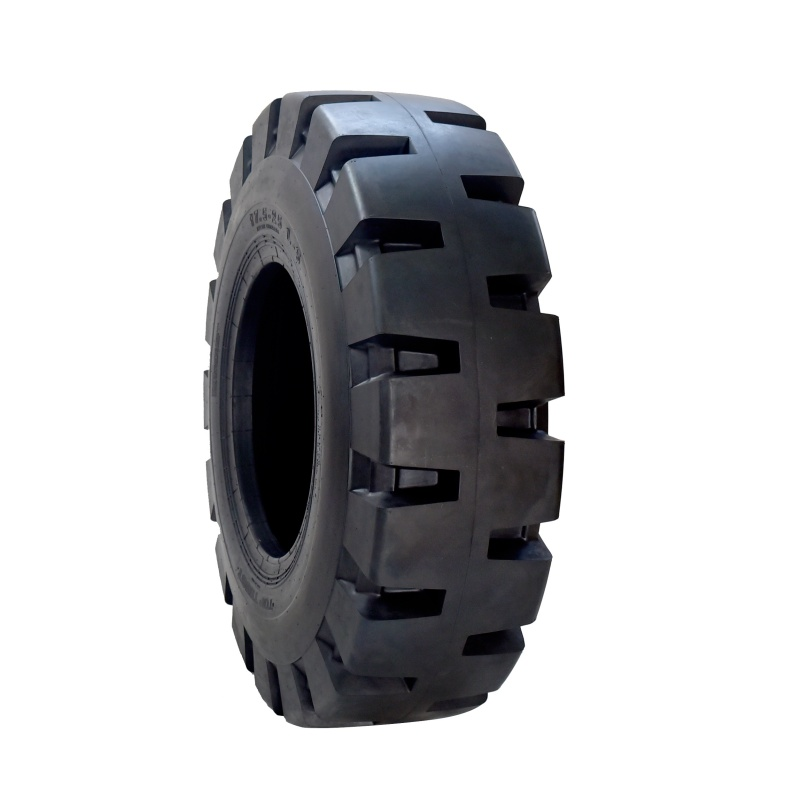
Core Performance Metrics That Define Mining Off Road Tyre Reliability
Traction, Load Capacity, and Cut/Heat Resistance as Non-Negotiable Metrics
Getting good traction matters a lot for staying safe on rough ground. Deep treads with aggressive patterns cut down slips by around 40% when driving over gravel, mud, or scree. When it comes to load capacity, this number really affects how much weight can be carried safely. If specs aren't right for the job, there's serious risk of failure when moving those big 300+ ton loads typical in mining today. Cut resistance just can't be ignored in areas full of rocks. Reinforced sidewalls plus strong steel belts stop sharp stuff from piercing through. Heat tolerance matters too. Tires running hotter than 120 degrees degrade their tread about 25% faster according to MonsterTires research from last year. These factors all tie together somehow. Bad traction leads to more spinning wheels which creates extra heat. Not enough load rating means tires wear out quicker and could even melt down completely under stress.
How Terrain, Cycle Time, and Payload Variability Drive Mining Off Road Tyre Selection
The type of terrain plays a big role in determining what kind of tire compound and tread design works best. For example, dry rocky areas need tires with deep lugs made from materials that resist wear, while wet clay conditions call for treads that can clean themselves to keep traction and stop hydroplaning issues. The cycle time matters too. When trucks load and dump cargo within 15 minutes or less, they generate a lot of heat, so radial tires that cool down quickly become essential to prevent blowouts. Then there's the issue of payload changes. Operations where weights vary by about 20% up or down need special tires designed to handle different loads without problems. These tires should stay properly inflated even when carrying lighter loads but also withstand stress during heavy hauling periods. All these factors combined mean operators need to pick tires based on specific situations rather than going for generic solutions. Doing this right extends tire life, keeps workers safe, and saves money on fuel costs in the long run.
Radial vs. Bias-Ply vs. Solid: Matching Mining Off Road Tyre Construction to Application Demands
Radial Dominance in Rigid Dump Trucks: 25–40% Longer Mileage and 15% Lower Heat Buildup
Rigid dump trucks mostly run on radial tyres these days because of their steel belts and those flexible sides that actually adapt to rough terrain while spreading weight properly over the contact area. The way they're built gives them around 25 to 40 percent more tread life than old school bias ply tires, plus they generate about 15% less heat during operation. Rolling resistance is lower too, meaning fuel savings of roughly 10% for operators. And when it comes to handling intense workloads at speed over long distances, these tyres manage heat better so they don't break down from getting too hot, something that still plagues many conventional tire setups.
Bias-Ply Resilience in Low-Speed, High-Torque ADTs and Underground Loaders
For articulated dump trucks (ADTs) and underground loaders working in environments with low speeds, lots of torque, and constant impacts from rocks and debris, bias-ply tires are still what most operators go for. The way these tires are built with layers crossing each other creates really tough sidewalls that stand up well to punctures from sharp objects on site. Sure, they don't handle heat as well as radial tires do, but when jobs involve frequent starts and stops over short distances, the extra durability matters more than saving fuel. Many mining operations stick with bias ply because downtime from damaged tires costs far more than any potential savings at the pump.
Solid Tyres in Confined, Zero-Deflation-Critical Environments: Ride Quality vs. Thermal Limits
Solid tires completely get rid of the problem of flats, which makes them absolutely necessary in tight spaces where downtime isn't an option such as tunnels, ports, and those underground conveyor belt areas. Made from thick rubber that resists wearing down, these tires can handle a lot of punishment but don't absorb shocks well at all. The downside is pretty rough rides and extra strain on suspension systems. Heat buildup remains the biggest issue though. When running fast for too long, the tires generate more heat than they can naturally shed, so operators need to take breaks between operations. Smart companies are starting to include special cooling channels in their designs to help tires last longer and stay cooler during operation.
Leading Mining Off Road Tyre Models and Technology Benchmarks
Bridgestone VMTP, Michelin XDR3, and Goodyear RL-5K: Tread Depth, Ply Rating, and Sidewall Protection Compared
When it comes to ultra heavy duty radial tires, the Bridgestone VMTP, Michelin XDR3, and Goodyear RL-5K are setting the standard right now. These tires all start with over 80mm of tread depth, which is really important for keeping good grip and resisting cuts when they're put through their paces day after day. They also reach impressive ply ratings of up to 58PR, so they can handle those huge loads without failing. Tests have shown that newer tech like Michelin's DualSteel belt system and Bridgestone's NanoPro-Tech compound actually cut down on impact damage by about 40% compared to older models. Some models even feature special cooling fins that drop operating temps by around 15 degrees Celsius during long haul runs. This temperature reduction makes a big difference in how long these tires last under intense stress conditions.
Innovations from Emerging Players: Titan LDR150’s Low-Sidewall Design and Continental’s Wet-Traction Compounds
New companies in the manufacturing space are really pushing boundaries when it comes to engineering breakthroughs. Take Titan's LDR150 for instance. This model has what they call a low sidewall design which actually brings down the vehicle's center of gravity. That makes all the difference when navigating those steep inclines and cuts down on the chance of tipping over in those tricky open pit ramp situations. On the other side of things, Continental recently rolled out some impressive wet traction compounds. Their secret weapon? Hydrophobic polymers that slash mud sticking to tires by around 60%. Plus they added silica to their mix which helps shorten stopping distances on wet surfaces by roughly 25% according to the ISO 4043:2022 standard for mining tires. These kinds of improvements are filling some serious safety holes, especially during rainy seasons or in areas with heavy precipitation where regular tire compounds just don't hold up very long at all.
FAQ
What are the key performance metrics for mining off-road tyres?
Traction, load capacity, and cut/heat resistance are the non-negotiable metrics that define tyre reliability on rough grounds.
How does terrain affect mining off-road tyre selection?
Terrain determines the necessary tire compound and tread design, influencing factors like wear resistance and hydroplaning prevention.
Why are radial tyres preferred for rigid dump trucks?
Radial tyres offer longer mileage, lower heat buildup, and reduced rolling resistance, making them ideal for intense workloads and long distances.
What kind of tyres are best for low-speed, high-torque environments?
Bias-ply tyres are preferred due to their tough sidewalls that withstand punctures from sharp objects.
What are the benefits of solid tyres in tight spaces?
Solid tyres eliminate flat problems and are crucial in zero-deflation environments; however, they can cause rough rides and thermal limits must be managed.