
 EN
EN
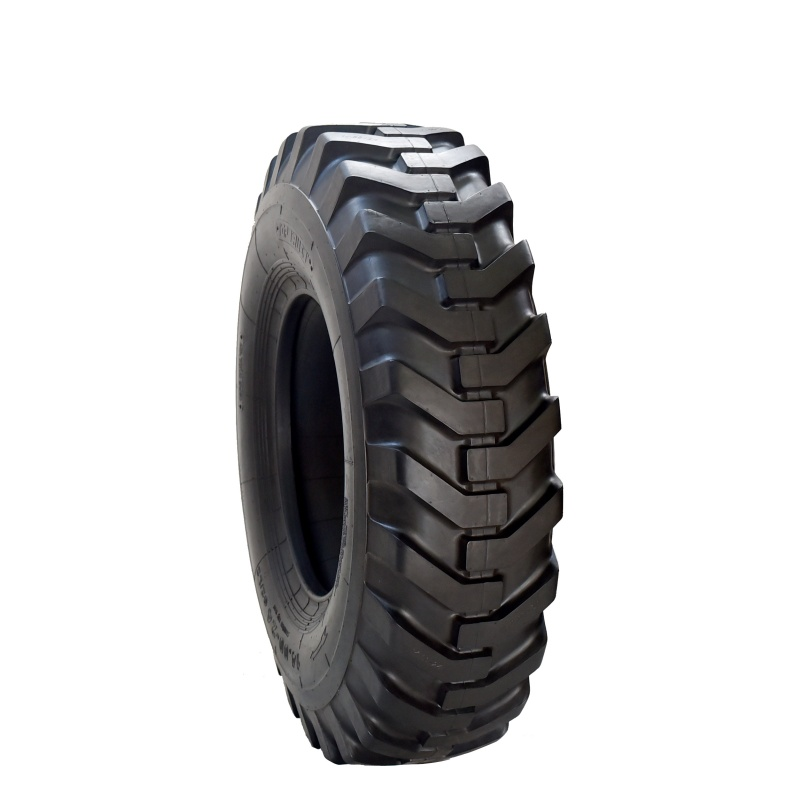
Soil Compaction Reduction: How Reliable Agriculture Tyres Protect Yield Potential
Radial, IF, and VF tyre technologies: Load distribution and low-pressure advantages for soil health
Radial tires are built with flexible sides and better shaped inner structures that create bigger, more even contact points with the ground. When machines roll over fields, this spreads their weight out more naturally across the soil surface. There's also special tire tech called IF and VF ratings which let farmers run their equipment at much lower air pressure levels while still carrying heavy loads. Lower pressure means less damage to the soil structure below. With wider tire contact and lighter pressure on the earth, those tiny air pockets in both topsoil and deeper layers stay intact instead of getting squashed flat. These spaces are super important because they allow plant roots to grow down, water to soak in properly, and oxygen to reach where it needs to go. Healthy soil structure keeps beneficial microbes working hard too, helping nutrients move around in the root area. All these factors together help maintain good crop yields year after year without constantly destroying what lies beneath our feet.
Field evidence: 22% lower topsoil density with IF tyres (FAO 2024 meta-analysis)
The Food and Agriculture Organization conducted a comprehensive review in 2024 looking at 47 different field experiments around the world. What they discovered was pretty significant: tractors equipped with IF tires actually cut down on topsoil compaction by about 22% when compared to regular radial tires. This was measured through something called cone penetration resistance within the top 30 centimeters of soil, regardless of what kind of soil texture we're talking about. Farmers saw better results too, with crop yields increasing between 8 to 15% after these changes were made. Another important finding relates to how water behaves in the soil. When there's less compaction from using these special tires, the land holds onto rainwater much better. Fields that remain compacted tend to lose around 60% of rainfall as runoff, whereas properly structured soils from machines with IF tires keep moisture where it belongs. This makes farms less vulnerable during drought conditions and helps maintain consistent harvests even when weather gets tough.
Risk awareness: When wet clay conditions challenge low-inflation reliability
Running equipment at lower pressure definitely helps protect the soil, though it needs careful thinking depending on conditions. When dealing with those wet, heavy clay fields, keeping tire pressure under 0.8 bar actually makes things worse for grip and side-to-side stability. The numbers back this up too many farmers have seen their VF tires slip around 27% more when inflated below 0.6 bar in such situations, which cancels out any fuel savings and creates real safety risks during critical operations like planting or harvesting. Smart growers combine live soil moisture readings with controlled traffic methods to get the best of both worlds maintaining low pressure benefits most of the time but bumping up inflation levels temporarily whenever the ground gets too soaked.
Fuel and Operational Savings: The Economic Case for Reliable Agriculture Tyres
Rolling resistance comparison: Radial vs. bias tyres in high-PTO operations
When it comes to heavy field work where power matters most, radial tires just beat out bias-ply designs hands down. The secret lies in those flexible sidewalls combined with specially designed treads that cut rolling resistance somewhere around 18 to maybe even 24 percent when machines are running at full PTO capacity for tasks like plowing fields, doing direct drilling, or planting seeds with precision equipment. What makes this happen? Simply put, radials create a bigger, steadier footprint on the ground which means less energy gets wasted pushing through dirt and fighting tire flex. Old school bias ply tires tell a different story though. Those stiff sidewalls dig right into soft soils, creating all sorts of drag that forces engines to work harder just to keep moving forward across the field.
Total cost of ownership: $1,200–$2,800/year savings per tractor (John Deere Field Econ Report, 2024)
The John Deere Field Econ Report (2024) quantifies the economic return of modern radial tyres across key operational metrics:
| Cost Factor | Radial Tyres | Bias-Ply Tyres |
|---|---|---|
| Annual Fuel Consumption | 12–18% lower | Baseline |
| Replacement Frequency | 5–7 years | 2–4 years |
| Field Efficiency | 8% higher | Baseline |
These efficiencies translate to $1,200–$2,800 in annual savings per tractor—driven primarily by a 14% average fuel reduction, extended service life, and fewer downtime events for tyre replacement. Improved traction also expands usable field windows, especially in marginal conditions, reinforcing radial tyres as a high-ROI component of modern farm economics.
Durability Under Pressure: Matching Reliable Agriculture Tyres to Modern Farm Scale
The growing scale of modern farming means bigger fields, heavier machinery, and shorter seasons all call for tires built to last. High quality radial tires for agriculture typically last between five to seven years despite getting pushed harder than ever before. These tires stand up to tough conditions because their sidewalls are extra strong, they have treads made from materials that resist wear, and special casings that can handle the constant punishment from things like grain carts, chemical sprayers, and various tillage machines that farmers rely on day after day across their operations.
Extended service life: 5–7 year cycles amid rising annual hectare coverage and field intensity
The reinforced radial casings stand up pretty well against punctures when going over rocky ground, and they keep their shape even when subjected to massive loads like those 40 ton grain carts that farmers load to the brim. These casings don't deform too much or generate excess heat either. Farmers are covering more hectares each year and pushing their equipment harder than ever before with tighter field schedules. Because of this durability, there's less need for unexpected repairs and downtime stays low during those crucial harvest periods when every minute counts.
Market validation: 34% CAGR in radial ag tyre replacements (Off-Highway Research, 2023–2025)
The market is clearly moving towards more durable products. According to Off-Highway Research, there's been a pretty impressive 34% compound annual growth rate in replacing radial agricultural tires from 2023 all the way through 2025. Farmers are starting to care more about what they get in the long run instead of just paying less at first. Advanced rubber mixtures and better casing tech have made these tires last around 2,000 extra hours compared to old style bias-ply ones. Looking at actual farm equipment fleets, we see this trend happening everywhere on big arable farms and mixed operations too. These tires aren't just accessories anymore they're becoming essential parts of farming setups that help maintain productivity without constantly breaking down.
FAQ Section
Why are radial, IF, and VF technology important in agriculture?
These technologies help distribute the load and reduce the pressure on soil, maintaining its structure and improving crop yield.
What are the advantages of using IF tires over regular radial tires?
Tractors equipped with IF tires have been found to reduce topsoil compaction by 22%, improve crop yields by 8-15%, and enhance water retention in soil.
What are the risks of using low-inflation tires in wet clay conditions?
Using low-inflation tires in such conditions can lead to reduced grip and increased tire slippage, which can nullify fuel savings and pose safety risks.
How do radial tires improve fuel and operational savings?
Radial tires reduce rolling resistance, leading to fuel savings and improved efficiency in field operations.
What is the expected service life of high-quality radial agricultural tires?
These tires typically have a service life of 5 to 7 years, benefiting from enhanced durability and resilience.