
 EN
EN
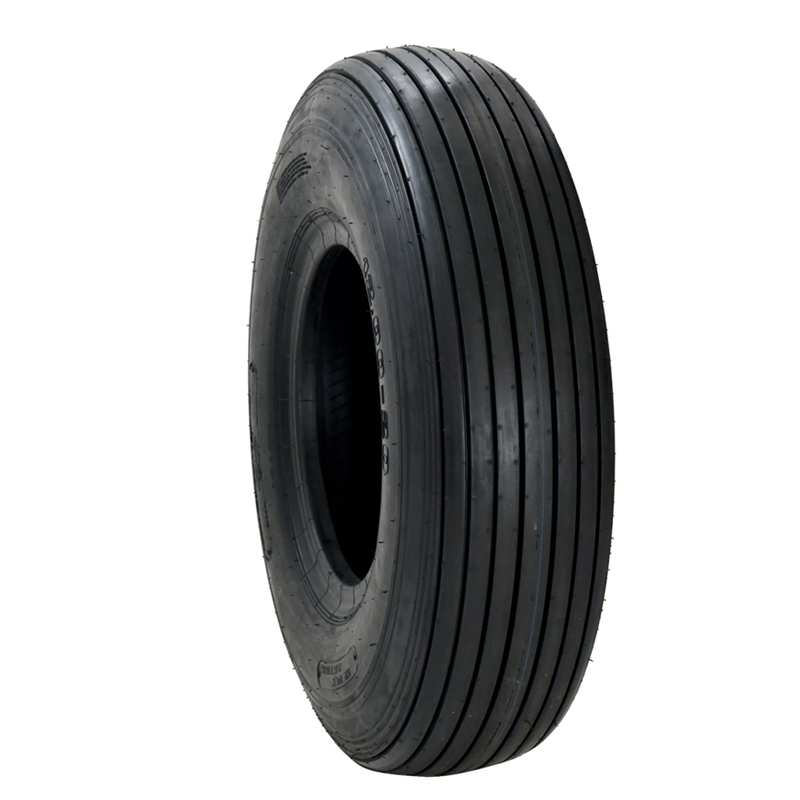
Industrial Mining Tyre Failure and Its Direct Impact on Operational Downtime
Unplanned tyre failures disrupting haul truck cycles and shift targets
When mining tyres fail unexpectedly on heavy haul trucks, everything comes to a grinding stop. This kind of breakdown doesn't just affect one part of the operation it creates a domino effect across the whole site. The material flow gets completely thrown off balance because loading, hauling, and dumping all depend on strict schedules working together. Fleets end up having to take alternate routes that weren't planned for, which causes problems everywhere. Shovels sit idle while processing plants back up, making it impossible to meet daily production goals. Crews have no choice but to redirect machinery to handle these stuck loads, pushing back important deadlines and putting extra pressure on already stretched maintenance teams. These kinds of disruptions cost companies both time and money in ways that aren't always immediately obvious.
Quantifying downtime: 47–62 minutes per off-road industrial mining tyre change (CIM, 2023)
It usually takes between 47 to 62 minutes to replace just one broken industrial mining tire according to CIM research from 2023. That time includes figuring out where the problem is, lifting the truck, taking off the old tire, putting on the new one, and then doing all the tests to make sure everything works properly. And this doesn't even count extra wait times when they need special equipment like mobile cranes, bring in expert techs, or deal with getting parts to remote locations spread out over huge mining sites. Think about how much money gets lost every time a haul truck stops working since these massive vehicles can move anywhere from 200 to 400 tons each hour. When tires keep failing repeatedly, companies end up falling behind their production targets month after month while spending far more on maintenance costs because they have to pay workers extra for emergency repairs and overtime hours.
Tyre Change Time Components
| Phase | Average Duration | Impact Factor |
|---|---|---|
| Failure identification | 8–12 minutes | Location accessibility |
| Jacking & removal | 18–25 minutes | Equipment availability |
| Installation & testing | 21–25 minutes | Technician experience level |
Radial vs. Bias-Ply Industrial Mining Tyres: Lifecycle, Cost, and Efficiency Trade-Offs
Radial Industrial Mining Tyres Deliver 18–25% Longer Service Life—But Require 32% Higher Initial Investment
Radial tires last roughly 18 to maybe even 25 percent longer than those old bias-ply models out there. Why? Because of that steel belt construction plus better heat management properties. The way the plies are arranged at right angles to the tread pattern actually cuts down on internal friction inside the tire when it's working hard, which means less wear and tear on the casing during tough jobs involving heavy loads and hot operating conditions. Sure, radial tires come with a price tag about 32% higher than what we pay for bias-ply options according to some Caterpillar research from 2023, but looking at things over time shows they really pay off for serious applications. Anyone running equipment past 5,000 hours of operation will find this difference makes all the difference in maintenance costs down the road.
Fuel and Cost-Per-Ton Advantages: 7% Lower Rolling Resistance and 4.3% Reduction in Total Operating Cost
The radial tire design actually brings real improvements in efficiency. We're talking about around 7% less rolling resistance which means these big 400 ton haul trucks burn about 1.2 liters less fuel every hour according to Komatsu's field tests from last year. When we factor in longer tire life between replacements plus better grip on rough terrain, operators see their overall costs drop by approximately 4.3% for each ton they move. For mining operations where vehicles are constantly running, getting back the extra money spent on radial tires happens within just over a year. That makes sense for companies looking to keep their fleets dependable while keeping those operational expenses in check.
Smart Monitoring and Predictive Maintenance for Industrial Mining Tyres
Real-time pressure and temperature sensors reducing tyre-related downtime by 29% (Rio Tinto Pilbara, 2023)
Sensors built right into equipment can track pressure changes within about half a pound per square inch plus or minus, along with temperature readings as they happen. These little devices catch problems while they're still small stuff like gradual air loss, physical impacts, or materials breaking down due to heat before anything serious happens. We saw real results at Rio Tinto's Pilbara site where these sensors cut down on tire issues causing downtime by almost 30 percent last year. When connected to the company's vehicle management software, the system sends out automatic warnings whenever things start going outside normal operating conditions. This means mechanics can plan repairs around regular maintenance schedules instead of scrambling to fix unexpected breakdowns. Moving away from fixing things after they break to anticipating issues ahead of time keeps our trucks moving consistently and reduces those costly emergency repair requests by roughly a third compared to what we used to see.
Precision Maintenance Practices That Maximize Industrial Mining Tyre Uptime
Inflation Control: ±2 psi Deviation Increases Rolling Resistance by 11% and Accelerates Tread Wear by 37%
Small changes in tire pressure can make a big difference. Just a couple psi off from recommended levels increases rolling resistance around 11% and makes tires wear out about 37% faster. When tires are under inflated they tend to get hotter and distribute weight unevenly across the road surface. On the flip side, when tires are too full, they lose that important contact patch with the ground, making them more vulnerable to damage from sharp objects or heavy impacts. Regular pressure checks using proper tools remain absolutely necessary for keeping tires performing right. This becomes even more critical in harsh mining conditions where maintaining correct tire geometry helps preserve fuel economy while protecting expensive equipment casings against premature failure.
Tread Depth as a Predictive Indicator: Each 1 mm Loss Raises Failure Risk by 2.4%
The depth of tire tread serves as an important indicator of road safety. Research suggests that each millimeter lost in tread depth raises the chance of serious failure by about 2.4%. This happens mainly because thinner treads offer less protection against punctures and have weaker structural integrity. Regular checks using laser technology at various spots along the tire can spot irregular wear patterns. These patterns often point to problems with wheel alignment, suspension components, or incorrect load distribution. Combining these regular depth assessments with proper air pressure management allows for smarter tire rotations and timely replacements. Doing so can potentially stretch tire lifespan by nearly 20% while saving between 45 to 60 minutes of unexpected downtime from having to change tires on short notice.
FAQ
What is the impact of unplanned tyre failures in mining operations?
Unplanned tyre failures can disrupt haul truck cycles and shift targets, causing a domino effect throughout the mining site. This leads to idle equipment, missed production goals, and increased pressure on maintenance teams, ultimately costing time and money.
How long does it take to change an industrial mining tyre?
It typically takes 47 to 62 minutes to change an industrial mining tyre, factoring in the time needed for problem identification, the physical tyre change, and necessary tests to ensure proper functioning.
What are the advantages of radial tyres over bias-ply tyres?
Radial tyres have a longer lifespan, better heat management, and offer a reduction in rolling resistance, leading to fuel savings and a reduction in total operating costs, despite a higher initial investment compared to bias-ply tyres.
How does smart monitoring improve tyre maintenance?
Smart monitoring uses real-time pressure and temperature sensors to detect potential issues before they cause significant downtime. This allows for predictive maintenance, thereby reducing unexpected breakdowns and optimizing repair schedules.
Table of Contents
- Industrial Mining Tyre Failure and Its Direct Impact on Operational Downtime
- Radial vs. Bias-Ply Industrial Mining Tyres: Lifecycle, Cost, and Efficiency Trade-Offs
- Smart Monitoring and Predictive Maintenance for Industrial Mining Tyres
- Precision Maintenance Practices That Maximize Industrial Mining Tyre Uptime
- FAQ