
 EN
EN
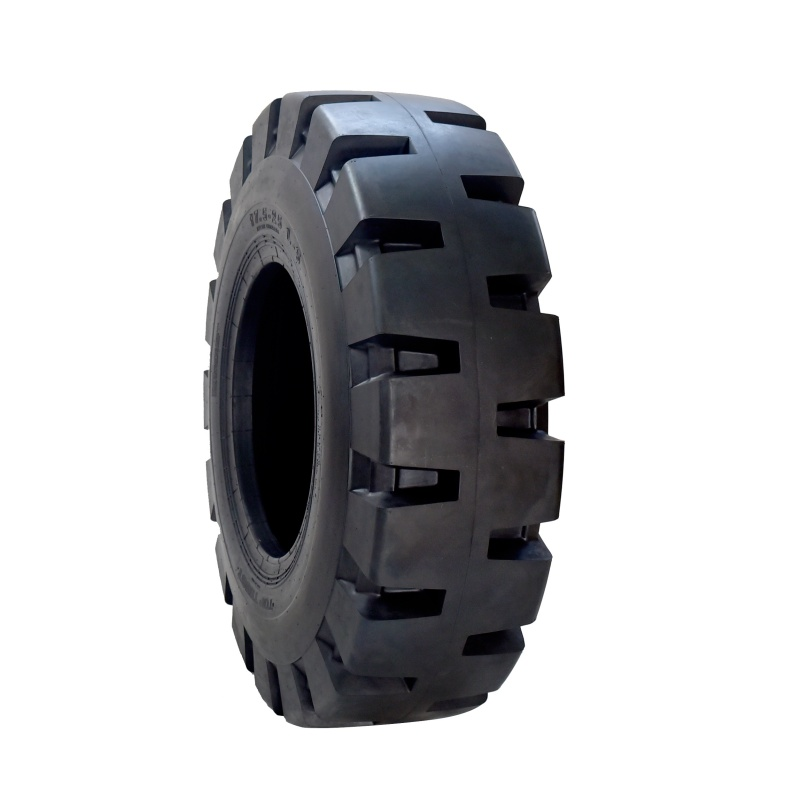
VF/IF Technology: The Core ROI Driver for Farm Agriculture Tyre Performance
How VF/IF Radial Tires Reduce Soil Compaction and Increase Yield—Validated by Field Data
VF (Very High Flexion) and IF (Increased Flexion) radial tires have become a game changer for farmers dealing with soil compaction issues while still seeing real improvements in crop yields. These tires feature super flexible sidewalls that allow them to run safely at inflation pressures around 15 psi or below, which is way lower than what's typical for regular radial tires. This flexibility expands the tire footprint by approximately 20%, creating a much wider contact area with the ground. When equipment rolls over fields, this broader contact spreads the weight out over more soil surface, cutting down on those pressure spikes that compact the root zone. Tests on clay loam soils showed reductions in compaction of about 30% according to AgriSoil Research back in 2023. Farmers notice better water soaking into the soil, roots growing deeper, and plants establishing themselves more strongly after switching to these tires. Field tests with cereals regularly report yield boosts between 4% and 7% when using VF/IF tires, and these gains clearly come from having healthier soil structure underneath. What makes VF tires especially valuable is their ability to handle loads up to 40% heavier at those low pressures too. This means no more ruts forming in wet harvest conditions while maintaining good traction and protecting the soil quality at the same time.
Fuel Savings from Low-Pressure Operation (≤15 psi) and Hourly Cost Reduction
Low pressure operation isn't just good for flexibility but actually saves money right away at the pump. VF/IF tires manage to slash rolling resistance by around 18%, which means they burn less fuel when tractors are working hard during tasks like plowing fields or planting crops. Farmers who tested these tires in actual field conditions saw their tractors run about 12% better on fuel than regular radial tires, even when everything else was kept the same (according to that big Tractor Efficiency Study from last year). With less resistance against the ground, engines don't have to work so hard all the time. This leads to longer periods between maintenance checks and less stress on parts connected to the drive system. Plus, wheels slip less over the soil surface, protecting valuable topsoil while making sure seeds get planted exactly where they should be. Combine all these benefits with better harvests and fewer days lost to repairs, and operators typically spend somewhere between six and eight dollars less per acre each hour. Over hundreds of acres and multiple growing seasons, those savings really start to add up.
Hybrid Road-Field Farm Agriculture Tyres: Optimizing Transport Efficiency and Field Productivity
Balancing Highway Speed, Load Capacity, and Field Traction for Net ROI
Hybrid road-field tyres fill an important niche in farming operations. They let farmers move equipment safely and efficiently between fields without losing grip when actually working those fields. These tyres come with stronger outer layers and special tread designs that work both on roads and in fields. Farmers can hit speeds around 65 km/h on highways but still handle the weight of big attachments and maintain good traction whether driving through soft dirt or hard packed headlands. Compared to regular tyres or ones made just for fields, these hybrid models save money because farmers don't have to buy separate sets or spend hours swapping them out. Research indicates that when used correctly, hybrid tyres cut down soil compaction by about 18% over traditional options. This makes a real difference especially near field edges where machines pass repeatedly and compact the soil. The return on investment for these tyres comes from several connected benefits including...
- Fuel efficiency: 12% average reduction in transport fuel use
- Time savings: 22% faster transitions between field operations
- Crop preservation: 15% higher yields in headland areas due to reduced compaction
This convergence of mobility, durability, and agronomic benefit makes hybrid tyres a strategic enabler—not just an accessory—for modern, high-efficiency farming systems.
Total Cost of Ownership (TCO) Analysis for Farm Agriculture Tyres
Hourly Cost Modeling: Factoring in Purchase Price, Service Life, Downtime, and Warranty Coverage
Selecting farm tyres solely on purchase price overlooks their true economic impact. Hourly cost modeling—total lifetime expense divided by accumulated operational hours—reveals how premium tyres often deliver superior ROI. Four interdependent factors define this model:
- Purchase price: Economy tyres may cost 30% less upfront but frequently lack the compound resilience and casing strength needed for sustained performance.
- Service life: High-performance compounds and robust construction extend service life by up to 40% versus standard tyres—directly lowering replacement frequency and labour costs.
- Downtime: A single tyre failure during harvest can cost over $150/hour in delayed operations, lost market windows, and secondary field damage.
- Warranty coverage: Comprehensive warranties covering premature wear, manufacturing defects, and workmanship reduce unplanned replacement costs by up to 70%.
Data from agricultural efficiency studies confirms that tyres priced 20% higher—but engineered for 50% longer service life—reduce hourly operating costs by 15%. When paired with strong warranty protection, this approach transforms tyre investment from a recurring expense into a predictable, profit-protecting asset.
Critical Fit & Function Criteria: Load, Inflation, Diameter, and Tread for ROI-Driven Farm Agriculture Tyre Selection
Matching Load Index, Inflation Pressure, and Tread Pattern to Implement-Specific Demands
Maximising ROI requires precise technical alignment—not just size compatibility—between tyre and implement. Three non-negotiable criteria govern long-term performance, safety, and cost efficiency:
- Load Index Compatibility: Exceeding a tyre’s rated load index accelerates casing fatigue, increases heat buildup, and raises failure risk. Heavy grain carts and sprayers require indices of 171 or higher; lighter utility tractors operate efficiently within lower ranges.
- Inflation Precision: Operating even 5–10 psi above or below manufacturer-recommended pressure degrades fuel efficiency, compromises soil protection, and shortens tread life. For example, VF tyres deliver optimal compaction control and yield benefits only when maintained at ≤15 psi—verified through decades of agronomic research.
-
Tread Pattern Optimization:
- Open-center lugs evacuate mud effectively, maintaining traction in saturated soils.
- Closed-center designs provide lateral stability and reduced vibration on hardpack and paved surfaces during transport.
Mismatched specifications drive avoidable costs: a 2023 Agritech study found farms using improperly rated or inflated tyres incurred 19% higher annual maintenance expenses and measurable yield losses. Prioritising implement-specific fit—grounded in load, pressure, and terrain—is the foundation of durable, efficient, and financially sound tyre selection.
FAQ
What are VF/IF radial tires?
VF (Very High Flexion) and IF (Increased Flexion) radial tires are designed with flexible sidewalls that allow them to operate at lower inflation pressures, reducing soil compaction and improving crop yields.
How do hybrid road-field tyres benefit farming operations?
Hybrid road-field tyres optimize transport efficiency and field productivity by providing balanced highway speed, load capacity, and field traction, reducing the need for multiple tire sets.
Why is total cost of ownership analysis important for farm tyres?
TCO analysis considers not just the purchase price but also the service life, downtime, and warranty coverage, revealing the true economic impact and ROI potential of premium farm tyres.
What criteria are essential for selecting farm agriculture tyres?
Important criteria include matching load index, inflation precision, and tread pattern to meet implement-specific demands, which ensures optimal performance and financial efficiency.
Table of Contents
- VF/IF Technology: The Core ROI Driver for Farm Agriculture Tyre Performance
- Hybrid Road-Field Farm Agriculture Tyres: Optimizing Transport Efficiency and Field Productivity
- Total Cost of Ownership (TCO) Analysis for Farm Agriculture Tyres
- Critical Fit & Function Criteria: Load, Inflation, Diameter, and Tread for ROI-Driven Farm Agriculture Tyre Selection
- FAQ