
 EN
EN
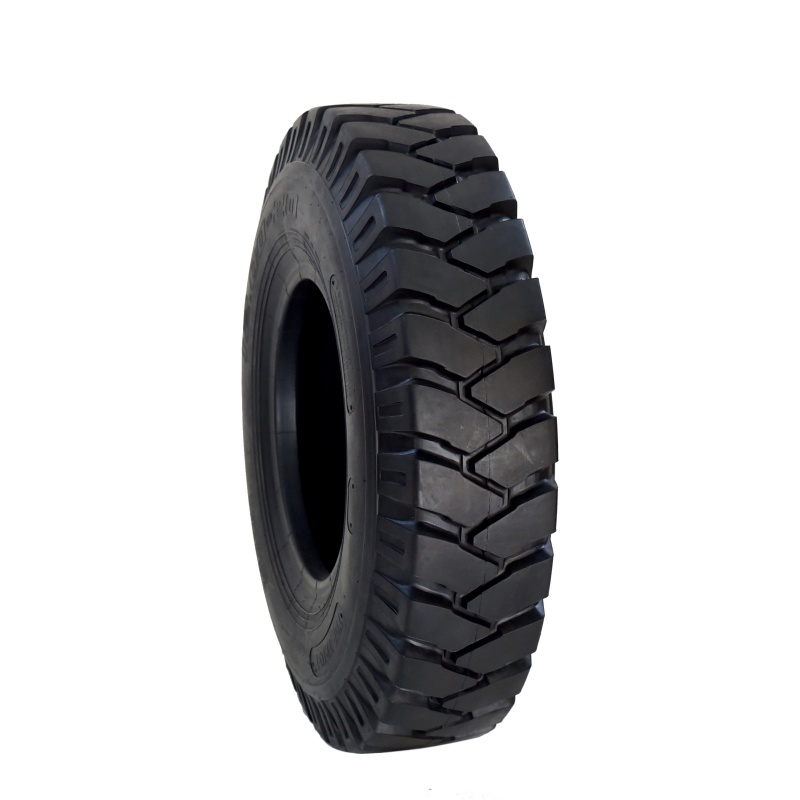
Loader Tyre Types: Bias, Radial, and Solid Construction Compared
Bias vs. radial ply: performance, ride quality, and heat resistance
The radial loader tires feature multiple layers of steel belts along with flexible sidewalls which help boost traction while also managing heat better than traditional bias-ply designs. Field tests from last year showed these tires can last around 30 percent longer when used for heavy hauling tasks. What makes them work so well is how the soft design conforms to rough ground conditions, giving loaders better contact with whatever surface they're working on. On the flip side, bias ply tires still have their place especially in really rocky areas where their stiff sidewalls stand up to lateral impacts much better. The downside though is that this stiffness creates significantly more heat buildup when running at speeds over about 12 kilometers per hour during extended operations.
Solid vs. pneumatic loader tyres: durability, comfort, and application fit
Solid rubber tires get rid of those annoying punctures at scrap yards and demolition sites, which is definitely a plus. But let's face it, they make working all day in an 8 hour shift way less comfortable than regular pneumatic ones, probably cutting comfort down around 40%. Pneumatic tires come in two main types: bias and radial. These offer much needed cushioning when moving stuff across rough ground. The L3 and L4 treads are pretty popular because they handle shocks well while still keeping things stable side to side. Most folks in quarries go for radial pneumatic tires these days. Why? Because they resist cuts from sharp rocks and gravel, and workers can adjust air pressure depending on what kind of load they're carrying. Makes sense really, since nobody wants flat tires or uncomfortable rides when working long hours on site.
TRA type classifications and their role in construction tyre selection
The Tire and Rim Association (TRA) has developed codes like E-3/LG that basically tell us what kind of loads different tires can handle and where they work best. This matters a lot when choosing between radial, bias ply, or solid tires for specific jobs. Take LG rated radial tires for instance they actually carry about 15 percent more weight compared to regular E-3 bias tires when working through mud without losing grip on the ground. When picking tires for a particular site, it pays to check these TRA standards against real world conditions. Things like how hard the ground is, how much junk is lying around, and whether there are steep slopes all affect how well a tire will last. Matching the tire's flexibility to what it'll actually face out there makes sense because otherwise we end up replacing tires way too soon due to unnecessary wear and tear.
Tread Patterns (L2, L3, L4, L5) and Their Ideal Terrain Applications
Understanding L2, L3, L4, and L5 Tread Designs and Grip Characteristics
Loader tires come in different TRA tread categories designed for particular jobs. The L2 type has those wide gaps between the lugs which helps them clean themselves when working through muddy conditions. Moving up to L3 gives us tighter lug spacing that works better on surfaces where there's a mix of stuff, think gravel roads or similar terrain. Then we get to L4 patterns that dig even deeper into the ground since they're about half again as deep as regular L3 treads, making them great for rough quarry work. And finally there's L5 tires built specifically to resist cuts from sharp objects, with tread depth going way beyond what's standard at around triple the normal amount. Some tests done last year showed that these hybrid L3 patterns actually lasted 15 to maybe 20 percent longer in changing environments than some of the more specialized tire options out there.
Matching Loader Tyre Treads to Ground Conditions: Rock, Sand, Mud, and Pavement
- L2: Best for soft surfaces such as mud and loose soil, enabling rapid debris ejection
- L3: Delivers balanced traction on gravel, light demolition rubble, and general construction sites
- L4: Engineered for rock quarries and mining operations, featuring reinforced shoulder blocks
- L5: Designed for scrap yards and industrial sites with highly abrasive or sharp debris
For pavement-focused tasks, ribbed L2 variants reduce slippage during high-speed travel by up to 40% compared to deep-tread alternatives.
When to Use Deep-Tread vs. Flat-Tread Tyres for Optimal Traction and Wear
The deep treads of L4 and L5 tires handle rough terrain pretty well, though they tend to run hotter when kept moving past around 8 miles per hour for any length of time. These can reach temperatures that are roughly 12 to maybe even 18 percent higher than other options. On the flip side, flat treads like those found on L2 and L3 models ride much smoother over paved surfaces, but they just don't last as long when thrown into rocky situations where they wear down about 30 percent quicker. For places where equipment needs to do both pavement work and occasional off-road tasks, there's something called L3S smooth tread tires that strike a decent middle ground. They provide enough traction without being too aggressive while cutting down on rolling resistance by approximately twenty percent compared to those traditional lugged patterns most people are familiar with.
Critical Loader Tyre Specifications: Size, Load Index, and Speed Rating
How Load Index and Speed Rating Impact Safety and Performance
Getting the right loader tyres is all about matching them to what the equipment actually needs for both safety reasons and keeping things running smoothly. When looking at specs, something like a load index rating of 152 means each tyre can handle around 1,521 pounds worth of weight from those big buckets. The speed rating matters too - most sites run around 75 miles per hour when moving between locations so an L rated tyre works well there. Going beyond these numbers creates problems though. Studies show that going overboard leads to about 23 percent more heat generation when making turns while carrying loads according to research published last year. This extra heat wears down tyres faster and makes blowouts much more likely. On the flip side, if someone installs tyres with lower load capacity than needed, they'll find their machines struggle to stop properly on slopes. Braking becomes roughly 34 percent less effective under such conditions which could lead to accidents or damage to property.
Selecting the Correct Tyre Size for Loader Compatibility and Efficiency
When loader tyres aren't properly matched in size, they can throw off stability and put extra stress on the transmission system. Most 10-ton loaders come equipped with 26.5R25 tyres because this size works best for distributing weight across the ground. Switching to the bigger 29.5R25 option creates problems on inclines where slip becomes a serious issue. Equipment makers generally advise keeping tyre diameters within plus or minus 3% to avoid damaging components down the drivetrain. Going too big cuts fuel economy around 12% for radial tyres, whereas going smaller causes excessive sidewall bending that eats away at tyre life expectancy by about 18%. These numbers matter when looking at long term maintenance budgets and overall equipment performance.
Tread Depth and Its Effect on Service Life and Operational Uptime
Deep-tread L5 patterns (20mm depth) extend replacement intervals by 40% versus shallow L2 designs (10mm) in abrasive settings. However, deeper treads raise rolling resistance by 15%, requiring a trade-off between longevity and fuel economy. In quarries, tyres lose approximately 0.8mm of tread monthly reaching end-of-life 26% faster when operated 20+ hours daily.
Durability in Harsh Conditions: Cut Resistance, Heat Management, and Sidewall Protection
Tire Compound Technology for Abrasion, Cut, and Heat Resistance
Today's loader tires are made with special rubber blends that can handle really tough conditions out there on construction sites. Some of these new materials stay flexible even when temperatures climb past 65 degrees Celsius, which is about 149 Fahrenheit. According to a study from the Heavy Equipment Materials Journal last year, this helps cut down on tire cracks by almost 30%. Manufacturers also added stuff like silica reinforced polymers to the mix, and guess what? That means around 34% less damage to the sides of the tires when they're rolling over rocks and rough terrain. And get this - the bottom part of the tread has been redesigned too. These newer designs actually let heat escape about 40% quicker thanks to those little channels built right into the tire structure.
Reinforced Sidewalls and Puncture-Resistant Designs in Loader Tyres
Steel cord sidewalls arranged in multiple layers offer full circle protection against impacts. Real world testing has found these designs cut down punctures caused by rebar and sharp objects by around half, which is pretty impressive considering what equipment faces daily. Beneath the tread area, angled nylon belts work wonders too. They reduce those annoying stone drilling problems by nearly two thirds while still keeping the tire flexible enough for rough ground conditions. For folks working in demolition sites or quarries, this matters a lot. Sidewall blowouts account for almost half of all unexpected equipment stoppages in these environments, so having tires that can withstand such harsh treatment makes all the difference when trying to maintain productivity schedules.
Balancing Premium Tyre Cost vs. Long-Term Productivity and Downtime Savings
Although premium tyres cost 25–35% more initially, fleets achieve an 18-month ROI through:
- 62% longer tread life in abrasive conditions
- 41% fewer heat-related blowouts
- 29% reduction in unscheduled service stops
A 2023 lifecycle analysis across 217 construction sites showed that investing in advanced loader tyre technology lowers total ownership costs by $18,700 per machine annually via improved fuel efficiency and reduced maintenance.
How to Choose the Right Loader Tyre Based on Job Site and Equipment Needs
Matching Tyre Type and Tread to Loader Size and Operating Environment
Before making a decision, take a good look at what kind of loader we're talking about here. The weight, how big the bucket is, and where it will spend most of its time all matter quite a bit. For those smaller compact loaders weighing under ten tons working mainly on paved ground, radial ply tires with L2 treads tend to work best. They give smoother rides around town and help save on fuel costs too. When dealing with bigger machines over twenty tons that tackle rough rocks or gritty materials day in and day out, go for bias ply construction paired with L5 treads instead. These bad boys stand up much better against cuts and abrasions. Now if the job site gets really muddy or has loose soil everywhere, nobody wants their loader spinning its wheels. Look for tires with deeper treads measuring at least forty millimeters deep to keep things moving forward without slipping. And don't forget about reinforced sidewalls either they make all the difference when navigating through bumpy, unpredictable terrain.
Step-by-Step Selection Guide by Application: Quarry, Demolition, Landscaping, etc.
- Quarry operations: Prioritize heat-resistant compounds and solid tyres for sharp rock handling. Field data from 2023 shows solid tyres reduce puncture-related downtime by 62% in quarries.
- Demolition sites: Use radial tyres with steel belt reinforcements to resist metal debris. L4 treads offer optimal balance of traction and stability on mixed surfaces.
- Landscaping: Pneumatic tyres with L3 tread patterns help minimize soil compaction while maintaining reliable grip on grass or dirt.
Maximizing ROI Through Informed Loader Tyre Decisions
Better quality tyres usually come with a price tag that's around 15 to 20 percent higher initially, but they tend to last anywhere from 30 to 50 percent longer when put through tough conditions. Take tread depth for example - if it's increased by about 20%, most operators find their replacement schedule stretches out roughly 25% further. When choosing tyres, it pays to think about how hard they'll be working. Operations running over 500 hours per month definitely warrant spending extra on those premium compound mixes. But for equipment that doesn't see much action, regular tyres often do just fine. Getting this right cuts down on unexpected breakdowns and keeps machines productive hour after hour without constant interruptions.
FAQ
What are the main differences between bias and radial ply loader tires?
Bias ply tires have stiffer sidewalls suitable for rocky areas, providing lateral impact resistance. Radial tires offer better traction and heat management with softer sidewalls, hence they last longer under heavy hauling tasks.
How do I choose between solid and pneumatic loader tires?
Solid tires eliminate punctures, ideal for scrap yards, but reduce comfort by about 40%. Pneumatic tires, whether bias or radial, provide cushioning and are suitable for varied terrains.
What do the tread patterns L2, L3, L4, and L5 indicate?
L2 suits muddy or loose terrains, L3 provides balanced traction on mixed surfaces, L4 is for quarry work with reinforced shoulder blocks, and L5 is for scrap yards with resistance to sharp debris.
How do tire specifications like Load Index and Speed Rating impact performance?
A Load Index indicates how much weight a tire can handle, while Speed Rating deals with maximum speed support. Using incorrect specs can lead to excessive heat build-up, quicker wear, and potential safety hazards.
How can investing in premium tyres benefit my operation?
While initially costly, premium tires offer longer tread life, fewer blowouts, and reduced maintenance downtime, translating to lower total ownership costs and higher productivity.
Table of Contents
- Loader Tyre Types: Bias, Radial, and Solid Construction Compared
- Tread Patterns (L2, L3, L4, L5) and Their Ideal Terrain Applications
- Critical Loader Tyre Specifications: Size, Load Index, and Speed Rating
- Durability in Harsh Conditions: Cut Resistance, Heat Management, and Sidewall Protection
- How to Choose the Right Loader Tyre Based on Job Site and Equipment Needs
-
FAQ
- What are the main differences between bias and radial ply loader tires?
- How do I choose between solid and pneumatic loader tires?
- What do the tread patterns L2, L3, L4, and L5 indicate?
- How do tire specifications like Load Index and Speed Rating impact performance?
- How can investing in premium tyres benefit my operation?