
 EN
EN
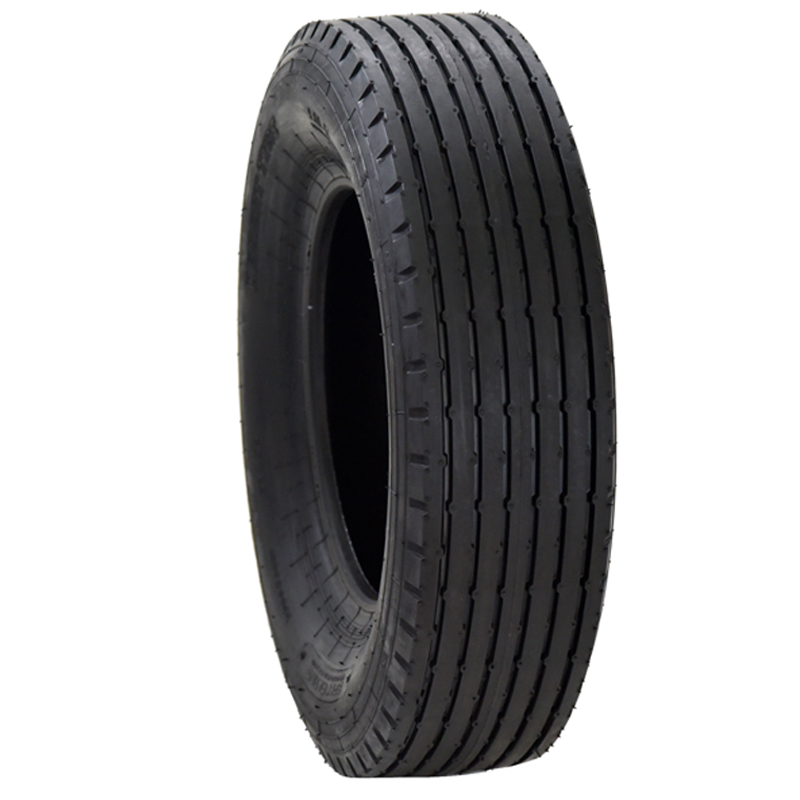
Durable Rubber Compounds: Enhancing Heat and Wear Resistance in Truck Tyres
How Heat Resistance Prevents Premature Truck Tyre Failure
When trucks cruise down highways at high speeds, the constant rubbing creates internal temps that can hit over 120 degrees Celsius inside the tires. This heat really takes a toll on the rubber, making treads come apart faster and causing cracks along the sides. The newer heat resistant rubber formulas actually hold up much better in these situations. According to some recent studies from the International Transportation Safety Board back in 2024, this special rubber cuts down on stress fractures by about 34 percent compared to regular tire compounds. For companies running large fleets especially those stuck in desert regions or hauling massive cargo across country after country, this kind of durability makes all the difference in avoiding breakdowns and costly repairs.
The Science Behind Heat-Resistant Rubber Formulations
Advanced polymer blends combine natural rubber's flexibility with synthetic additives like silica and specialized antioxidants. These components form a molecular structure that:
- Dissipates heat 22% faster through improved thermal conductivity
- Resists oxidative degradation from repeated heating cycles
- Maintains 95% of original hardness after 100,000 km in durability tests
Case Study: Extended Lifespan with Advanced Polymer Blends in Truck Tyres
A logistics company reduced annual tyre replacement costs by $18,000 per vehicle after switching to nano-reinforced compounds. Key outcomes over 24 months:
| Metric | Improvement |
|---|---|
| Average tread life | +41% |
| Heat-related failures | -63% |
| Roadside service calls | -57% |
Trend: Adoption of Nano-Reinforced Rubber in Heavy-Duty Truck Tyres
Recent innovations (2025) embed ceramic nanoparticles within tyre compounds, creating a thermal barrier that lowers internal operating temperatures by 15–20°C. This technology also demonstrates 28% better cut resistance in mixed-surface haulage operations compared to traditional steel-belted designs.
Strategy: Selecting Truck Tyres with Proven Durability and Heat Resistance
Prioritize tyres with independent certification for:
- ASTM D6209 heat aging performance (300+ hours at 100°C)
- Tread depth retention above 85% after 80,000 km
- Dynamic load rating exceeding axle requirements by 15%
Conduct quarterly infrared thermography scans to identify early-stage heat damage before structural failure occurs.
Optimized Tread Design for Superior Traction and Safety in Long-Haul Conditions
Reduced Slippage in Wet and Icy Conditions Through Smart Tread Patterns
Advanced tread designs use interlocking grooves and 3D sipes to maintain traction on low-friction surfaces. Angled shoulder blocks and zigzag patterns increase rubber-to-road contact by 18% in icy conditions compared to conventional designs, while wide circumferential channels evacuate 30+ gallons of water per minute at highway speeds.
How Tread Depth and Pattern Influence Grip and Water Displacement
Truck tyres with 14/32” tread depth provide 40% better hydroplaning resistance than worn 4/32” tyres. Directional “V-shaped” patterns excel in forward water displacement, while closed shoulder designs enhance stability during sudden maneuvers.
Case Study: Accident Reduction After Upgrading Truck Tyre Tread Design
A Midwest logistics fleet reduced winter collision claims by 32% after adopting tyres with snowflake-rated sipes and ice-phobic rubber compounds. Over three years, the $740k savings in accident-related costs offset the tread upgrade investment.
Trend: Self-Cleaning Tread Designs for Off-Highway and Mixed Routes
Rock-ejection channels and staggered block spacing now prevent 89% of tread-based debris retention in mining and construction tyres. These designs maintain 91% of paved-road traction capabilities when transitioning from muddy job sites to highways.
Strategy: Matching Tread Configuration to Regional Road and Weather Conditions
Prioritize tyres with four wide circumferential grooves in monsoon zones and heat-resistant closed-shoulder designs for desert routes. Fleets operating in mixed conditions benefit from hybrid patterns balancing a 55% void ratio for off-road grip with continuous center ribs for highway stability.
Maximizing Load Capacity and Structural Integrity for Long-Haul Efficiency
Risks of Tyre Deformation from Overloading and Improper Inflation
When a truck tyre carries more weight than it's designed for, the sidewalls get stressed out faster and the treads start separating from the rest of the tyre. This actually makes blowouts happen around 30% more often during those long haul trips across country. The problem gets worse when inflation levels are off track. If tyres are under inflated, they tend to flex way too much which creates heat buildup inside the rubber compound, weakening everything over time. On the flip side, overinflating them shrinks the contact patch with the road surface and puts all kinds of pressure right on the middle section of the tread. We've seen data showing that fleets running their trucks with pressures just 10% higher than what manufacturers recommend end up replacing tyres about 18% quicker than those who stick closer to specifications. Makes sense really when you think about how sensitive these components actually are to even small deviations from optimal conditions.
Understanding Load Index Ratings and Their Relationship with Inflation Pressure
The load index on tyres like those marked 150/148L tells us how much weight they can handle when inflated properly. For instance, a tyre rated at 150 can carry around 3,350 kilograms when inflated to about 10.4 bar pressure. But watch out what happens if the pressure slips even a little bit - dropping just 0.7 bar reduces that carrying capacity by roughly 15%. This kind of nonlinear effect is exactly why commercial vehicle operators need to check their axle weights against original equipment manufacturer charts regularly. Getting these numbers wrong leads to problems down the road, with studies showing that incorrect inflation accounts for nearly a quarter of all early tyre failures in fleet operations.
Case Study: Fleet Performance Gains with Load-Matched Truck Tyres
A European logistics operator reduced roadside breakdowns by 41% after switching to tyres with 8% higher load indexes than their previous models. By aligning tyre specifications with trailer weight distributions, the fleet extended retreadability cycles from 2 to 3 lifetimes, cutting per-kilometer costs by $0.04.
Balancing Real-World Logistics Needs Against Manufacturer Load Limits
While manufacturers calculate load limits under controlled conditions, real-world variables like uneven road surfaces and dynamic braking forces create 12–18% higher operational stresses. Engineers recommend maintaining a 10% safety margin below stated limits—a practice shown to reduce blowout frequency by 29% in multi-axle configurations.
Strategy: Choosing Truck Tyres Based on Axle Load and Cargo Type
Steer axles benefit from tyres with reinforced upper sidewalls to handle cornering forces, while drive and trailer axles require casings optimized for vertical load resistance. For mixed cargo fleets, modular tyre setups—such as combining high-load regional tyres with endurance-focused highway models—improve adaptability without sacrificing weight limits.
Fuel Efficiency and Cost Savings Through Low Rolling Resistance Truck Tyres
Truck tyres designed with low rolling resistance (LRR) technology can cut down on fuel usage anywhere from 3 to 5 percent for those long haul trips across country roads. This matters because fleets are spending around seven hundred forty thousand dollars each year just on fuel according to recent transportation data from Ponemon back in 2023. The reason this works so well is simple physics really. Tyres themselves eat up roughly thirty to thirty five percent of all the energy going into running these big rigs. When we talk about reducing what's called hysteresis, which basically means less heat generation when the tyre deforms under load or bends while driving, that makes a huge difference over time. According to some industry numbers released by NHTSA last year, cutting rolling resistance by ten percent translates into about a one point five percent boost in overall fuel efficiency for commercial vehicles.
How High Rolling Resistance Increases Fuel Consumption in Long-Haul Fleets
For fleets averaging 100,000 annual miles, excessive tyre deformation translates to more than 7,500 liters of wasted diesel per truck each year due to increased engine workload.
Principle: How Energy-Efficient Tyres Reduce Rolling Resistance
LRR truck tyres minimize energy loss through:
- Advanced rubber compounds: Silica-infused treads decrease deformation
- Reduced tread depth: Shallower grooves lower flexing without sacrificing wet traction
- Optimized casing design: Stiffer sidewalls prevent excessive deflection under load
Case Study: Measured Fuel Savings Using Low-Rolling-Resistance Truck Tyres
A 500-truck fleet achieved a 4.1 MPG improvement versus standard tyres after switching to LRR models, saving $4.2 million in fuel costs over three years. Wear rates remained comparable, dispelling concerns about shortened tread life in energy-efficient designs.
Trend: Smart Tyres with Real-Time Rolling Resistance Monitoring
IoT-enabled sensors now alert fleets when inflation pressure or alignment issues increase rolling resistance. Early adopters report detecting underinflation problems 11% faster than with manual inspections.
Strategy: Evaluating Total Cost of Ownership Beyond Initial Price
Although LRR tyres carry an 8–12% higher initial cost, their $18,000 per-truck fuel savings over 400,000 miles typically yield ROI within 18 months. Fleets should prioritize models meeting both EPA SmartWay verification and regional traction standards.
Proactive Maintenance Practices to Extend Reliable Truck Tyre Lifespan
Essential Steps: Tyre Pressure Checks, Rotation, and Alignment
Keeping tires in good shape starts with regular maintenance. Checking tire pressure every two weeks with a proper gauge makes all the difference. Underinflated tires cause about two thirds of blowouts while overinflation wears down the middle of the tread much quicker. Most drivers should rotate their tires somewhere between 40 thousand and 50 thousand kilometers. Front tires tend to wear out around 30 percent faster than the ones at the back when driving long distances regularly. Getting laser alignment done approximately every 80 thousand kilometers fixes those pesky toe angle issues that create that jagged wear pattern on tires. Fleet managers have seen tire casings last 15 to 20 percent longer after implementing this kind of maintenance schedule.
Impact of Poor Alignment on Tread Wear and Fuel Efficiency
Misaligned tyres generate scrub forces that:
- Cause premature tread loss of 2.5 mm per 0.5° misalignment
- Increase rolling resistance by 4%, reducing fuel efficiency by 3.2%
- Lead to irregular wear, necessitating replacements 22% earlier
A Southwest fleet study found correcting wheel alignment reduced annual tyre costs by $18,400 per truck and improved fuel economy by 3.7 mpg.
Recommended Maintenance Schedule for Long-Distance Hauling Fleets
| Task | Frequency | Key Benefit |
|---|---|---|
| Pressure checks | Bi-weekly | Prevents 81% of blowout risks |
| Deep tread inspections | Every 10,000 km | Early detection of casing damage |
| Rotation | Every 40,000–50,000 km | Maximizes casing reuse potential |
| Alignment verification | Post suspension work | Maintains 0.02° angle tolerance |
Following this protocol helps achieve the industry benchmark of 7–9 retreads per tyre casing in over-the-road applications.
FAQs
What are the main benefits of using heat-resistant rubber compounds in truck tyres?
Heat-resistant rubber compounds reduce stress fractures, increase tread life, and prevent premature tyre failures, especially useful for fleets operating in hot climates or on long hauls.
How do advanced polymer blends in truck tyres improve their performance?
Advanced polymer blends combine natural rubber with synthetic additives to enhance thermal conductivity, resist oxidative degradation, and maintain hardness over long distances.
Why is rolling resistance significant for trucking fleets?
Rolling resistance impacts fuel efficiency; reducing it by 10% can result in a 1.5% boost, leading to significant fuel cost savings.
How often should truck tyre maintenance be conducted?
Tyre pressure should be checked bi-weekly, rotations conducted every 40,000–50,000 km, and alignments verified post-suspension work for optimal tyre life and performance.
What is the advantage of using nano-reinforced rubber in truck tyres?
Nano-reinforced rubber provides better cut resistance and lowers internal operating temperatures, enhancing the tyre's overall durability and performance.
Table of Contents
-
Durable Rubber Compounds: Enhancing Heat and Wear Resistance in Truck Tyres
- How Heat Resistance Prevents Premature Truck Tyre Failure
- The Science Behind Heat-Resistant Rubber Formulations
- Case Study: Extended Lifespan with Advanced Polymer Blends in Truck Tyres
- Trend: Adoption of Nano-Reinforced Rubber in Heavy-Duty Truck Tyres
- Strategy: Selecting Truck Tyres with Proven Durability and Heat Resistance
-
Optimized Tread Design for Superior Traction and Safety in Long-Haul Conditions
- Reduced Slippage in Wet and Icy Conditions Through Smart Tread Patterns
- How Tread Depth and Pattern Influence Grip and Water Displacement
- Case Study: Accident Reduction After Upgrading Truck Tyre Tread Design
- Trend: Self-Cleaning Tread Designs for Off-Highway and Mixed Routes
- Strategy: Matching Tread Configuration to Regional Road and Weather Conditions
-
Maximizing Load Capacity and Structural Integrity for Long-Haul Efficiency
- Risks of Tyre Deformation from Overloading and Improper Inflation
- Understanding Load Index Ratings and Their Relationship with Inflation Pressure
- Case Study: Fleet Performance Gains with Load-Matched Truck Tyres
- Balancing Real-World Logistics Needs Against Manufacturer Load Limits
- Strategy: Choosing Truck Tyres Based on Axle Load and Cargo Type
-
Fuel Efficiency and Cost Savings Through Low Rolling Resistance Truck Tyres
- How High Rolling Resistance Increases Fuel Consumption in Long-Haul Fleets
- Principle: How Energy-Efficient Tyres Reduce Rolling Resistance
- Case Study: Measured Fuel Savings Using Low-Rolling-Resistance Truck Tyres
- Trend: Smart Tyres with Real-Time Rolling Resistance Monitoring
- Strategy: Evaluating Total Cost of Ownership Beyond Initial Price
- Proactive Maintenance Practices to Extend Reliable Truck Tyre Lifespan