EN
EN
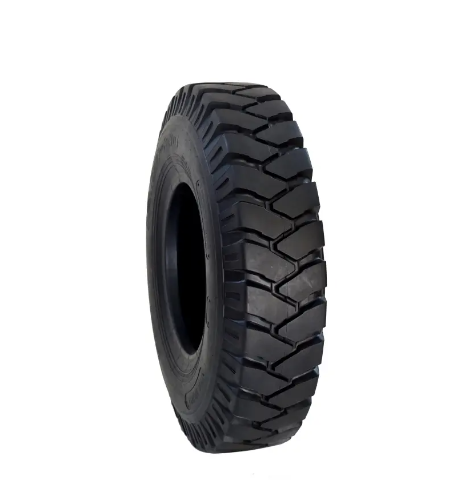
Proactive Inspection and Real-Time Monitoring for Reliable Truck Tyre Performance
Daily and Monthly Visual Checks: Key Indicators of Imminent Failure
A thorough visual inspection is the first line of defense for maintaining reliable truck tyre performance. Drivers should perform a walk-around check before every trip, looking for tread depth below 4/32 inch, sidewall bulges, cuts, or embedded debris. Monthly inspections go deeper: measure tread wear across the tyre, inspect valve stems for damage, and examine the inner liner for signs of air loss. Detecting these indicators early prevents sudden blowouts and unplanned downtime. For example, uneven shoulder wear often signals misalignment, while center wear points to overinflation—patterns that, when caught during routine checks, allow fleets to correct root causes before they escalate.
Digital Tire Tracking and AI Analytics for Predictive Tread & Sidewall Assessment
Modern technology elevates tyre maintenance beyond visual checks. Digital tire tracking systems use onboard sensors and cloud-based analytics to monitor pressure, temperature, and tread depth in real time. AI algorithms analyze historical data to predict when a sidewall may weaken or tread will reach legal limits. This shifts fleets from reactive repairs to proactive maintenance—for instance, alerting teams to a slow leak hours before it triggers a low-pressure event, preserving tyre integrity and avoiding roadside failures. Integrating these tools ensures continuous visibility into tyre health, reducing unexpected failures and reinforcing fleet-wide reliability.
Precision Inflation Management to Extend Reliable Truck Tyre Lifespan
Maintaining precise inflation pressure is the single most effective practice for maximising the lifespan of any reliable truck tyre. Even a 10% underinflation can reduce tread life by over 15% and increase rolling resistance—directly raising fuel costs. Effective management rests on two pillars: load-specific pressure guidelines and real-time monitoring via tyre pressure monitoring systems (TPMS).
Load-Specific PSI Guidelines and Rolling Resistance Optimization
Every axle position and load weight demands a distinct PSI setting. Overinflation causes stiff ride quality and concentrated centre-tread wear; underinflation generates excessive heat, accelerating sidewall fatigue and shoulder wear. The optimal pressure balances load support with minimal rolling resistance—improving fuel economy and preserving casing integrity. Fleets must reference the tyre manufacturer’s load-inflation tables and recheck pressures whenever cargo weight changes significantly. This ensures consistent contact patch geometry, the foundation of even, predictable wear.
TPMS Integration, Calibration, and Fleet-Wide Alert Protocol Best Practices
Automated TPMS eliminates reliance on manual checks alone. Sensors continuously relay pressure and temperature data to a central dashboard, flagging deviations instantly. Calibration is critical: sensors must be validated against a master gauge quarterly to prevent drift. A fleet-wide alert protocol should define clear thresholds—e.g., a 15% pressure drop triggers immediate inspection, while gradual leaks prompt scheduled service. This data-driven approach prevents catastrophic failures and extends reliable truck tyre mileage across the fleet, lowering total cost of ownership.
Strategic Rotation and Alignment to Ensure Uniform Reliable Truck Tyre Wear
Validated Rotation Patterns and Interval Scheduling (10,000–15,000 km)
Systematic tyre rotation every 10,000–15,000 km extends service life by redistributing wear patterns across all wheel positions. Trucks experience uneven degradation due to steering forces on front axles and drive torque on rear positions—making validated rotation patterns essential. For non-directional tyres, cross-rotation (front-left to rear-right, front-right to rear-left) balances shoulder wear; directional treads require straight front-to-rear swaps to preserve water-channeling efficiency. Including the spare in rotation cycles prevents rubber aging disparities, ensuring comparable performance throughout each tyre’s lifecycle. Fleets adhering to this schedule reduce replacement costs by 18% while sustaining consistent traction (Fleet Efficiency Journal, 2023).
Wheel Alignment Fundamentals: Preventing Premature Shoulder Wear and Pulling
Proper wheel alignment is the cornerstone of maximizing reliable truck tyre ROI. Even minor misalignment accelerates shoulder wear and increases rolling resistance. Three critical angles require monitoring: toe (wheel parallelism), camber (vertical tilt), and caster (steering axis inclination). Industry data shows that just 0.5° of toe misalignment accelerates shoulder wear by 40%, while neglected camber irregularities cause uneven inner/outer tread wear. Quarterly laser alignment checks—especially after curb impacts or suspension modifications—prevent these issues. Correct alignment extends tyre lifespan by 15–20%, eliminates steering pull, and reduces vibration-related component failures, directly enhancing operational safety.
Data-Driven Tire Lifecycle Management for Maximum Reliable Truck Tyre ROI
A systematic approach to tracking every tyre from first installation through final retread turns raw data into actionable savings. By capturing mileage, rotation history, and environmental exposure, fleet managers can determine precisely when a reliable truck tyre still has usable life—and when it requires replacement.
Install-to-Retread Tracking: Mileage, Rotations, and Environmental Exposure Logging
Logging each tyre’s unique identifier alongside odometer readings and rotation dates creates a complete lifecycle dossier. Environmental factors—including ambient temperature extremes, road surface abrasiveness, and load variations—are recorded to calculate wear rates with precision. This data enables accurate retread timing, reducing the risk of casing damage from under-treading or premature removal that wastes usable tread. Fleets using such tracking routinely extend reliable truck tyre lifespan by 15–20% while lowering per-kilometre costs—delivering measurable ROI through informed, not instinctive, decisions.
FAQ
Why are daily and monthly inspections important for truck tyres?
Daily inspections catch immediate issues like tread depth, sidewall bulges, or debris, while monthly inspections dig deeper into tread wear and valve stem conditions to prevent sudden blowouts and downtime.
What role does technology play in tyre maintenance?
Technology like digital tire tracking and AI analytics enables predictive maintenance by monitoring tyre metrics in real-time, alerting teams before issues arise.
How can maintaining proper tyre pressure extend tyre lifespan?
Proper tyre pressure reduces tread wear, minimizes rolling resistance, and prevents issues like overinflation or underinflation, improving fuel efficiency and tyre life.
What is the significance of tyre rotation and alignment?
Scheduled rotation and regular alignment prevent uneven wear, extend tyre lifespan, and ensure consistent performance across all wheel positions.
How does data-driven lifecycle management benefit fleets?
By tracking mileage, rotations, and environmental factors, fleets can make informed decisions, optimize retread timing, and reduce overall tyre-related costs.
Table of Contents
- Proactive Inspection and Real-Time Monitoring for Reliable Truck Tyre Performance
- Precision Inflation Management to Extend Reliable Truck Tyre Lifespan
- Strategic Rotation and Alignment to Ensure Uniform Reliable Truck Tyre Wear
- Data-Driven Tire Lifecycle Management for Maximum Reliable Truck Tyre ROI
- FAQ