EN
EN
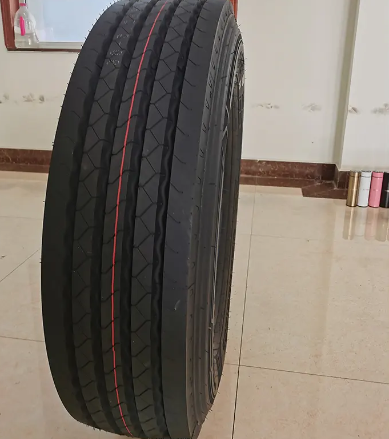
Safety: The Non-Negotiable Foundation of Quality Semi Truck Tyres
Tyre integrity is paramount for semi-trucks operating under demanding conditions. A single failure can escalate into catastrophic highway accidents. Sudden tread separation or blowouts at high speeds compromise vehicle stability, increasing collision risks exponentially. Regular inspections targeting sidewall damage, tread depth erosion, and pressure deviations are non-negotiable protocols. Fleet managers prioritizing preventative maintenance reduce accident probability by 42%, according to industry safety audits conducted by the Federal Motor Carrier Safety Administration (FMCSA).
How Tire Failure Causes Catastrophic Highway Accidents
Blowouts trigger immediate loss of directional control—especially during cornering or evasive maneuvers. Underinflated tyres generate excessive heat, accelerating structural degradation; at highway speeds, this thermal stress can culminate in explosive decompression. Retread failures also contribute significantly, as improper bonding creates separation zones vulnerable to high-shear forces. These incidents often result in multi-vehicle pileups due to the momentum of 80,000-pound loads. Post-accident forensic analysis consistently identifies neglected wear indicators—such as uneven tread wear, bulges, or cracks—as primary causation factors.
Load and Speed Ratings: Critical Compliance for Modern Fleets
Manufacturers assign precise load and speed ratings based on rigorous testing per U.S. Department of Transportation (DOT) FMVSS No. 119 and ISO 4000-1 standards. Exceeding these parameters risks casing fatigue and premature failure. Key considerations include:
- Gross Vehicle Weight Rating (GVWR) alignment: Tyres must support actual axle loads—not just theoretical maximums
- Regional variance compliance: Mountainous terrain demands higher speed ratings than flat highways
- Dual-tire matching: Mismatched pairs create uneven load distribution and instability
- Temperature thresholds: Ratings decrease by 15% for every 15°C above standard testing conditions (70°F/21°C), per TRA Yearbook guidelines
Fleets auditing these specifications quarterly report 31% fewer weight-related violations, according to the American Trucking Associations’ 2024 Fleet Compliance Benchmark Report.
Operational Efficiency: Fuel Savings and Total Cost of Ownership
Rolling Resistance Reduction — Up to 4.5% Fuel Savings per Axle
Modern quality semi truck tyres significantly impact fuel efficiency through advanced low-rolling-resistance designs. Reducing rolling resistance by 1% translates to approximately 0.5% fuel savings per axle. Top-tier tyres achieve up to 4.5% fuel savings per axle—meaning a Class 8 tractor-trailer with six drive axles could realize over 2% system-wide improvement. Proper tyre inflation alone contributes 3–5% fuel efficiency gains, as confirmed by the U.S. Environmental Protection Agency’s SmartWay program. Since fuel comprises 30–40% of heavy-duty operating expenses, these improvements directly enhance profitability without requiring capital upgrades.
Extended Mileage, Retreadability, and Lifecycle Economics
Premium truck tyres deliver extended service life through robust casing construction and innovative tread compounds. High-quality casings withstand multiple retreading cycles—up to three times more than budget alternatives—reducing replacement frequency by 40–60%. This retreadability extends tyre lifespan while lowering per-mile costs, a critical lever for optimizing Total Cost of Ownership (TCO). Fleets prioritizing premium tyres often achieve 20–30% lower TCO over three years, offsetting higher initial investments through reduced downtime, fewer roadside repairs, and improved uptime, per data from the Tire Retread & Repair Information Bureau (TRIB).
Durability and Real-World Performance Across Conditions
Tread Design and Compound Innovation for All-Weather Reliability
Modern quality semi truck tyres rely on advanced tread patterns and rubber compounds to maintain grip in rain, snow, and heat. Deep, multi-groove treads evacuate water quickly, reducing hydroplaning risk by up to 35% compared to legacy designs (National Highway Traffic Safety Administration, 2023). Silica-based compounds stay flexible in cold weather while resisting wear at high speeds—enabling consistent performance across seasonal extremes. These features help fleets avoid costly downtime caused by weather-related slips or blowouts. A well-engineered tread can add 15,000–25,000 miles to a tyre’s life without compromising safety or regulatory compliance.
Load Capacity Degradation Over Time: Why Rated ≠ Actual at High Mileage
A tyre’s stamped load rating applies only when the tread is full and the casing is fresh. As miles accumulate, rubber hardens, steel belts relax, and sidewalls fatigue—reducing effective load capacity. For example, a tyre rated for 5,500 kg may safely carry only 4,800 kg at 80,000 miles. Fleets must adjust payloads or replace tyres sooner to avoid sudden failures. Regular pressure and tread-depth checks are essential to keep actual capacity in line with rated limits—and align with FMCSA guidance on tyre retirement criteria.
Smart Integration: How Telematics Redefine Quality Semi Truck Tyres in 2025
Telematics systems are transforming quality semi truck tyres into intelligent components of fleet operations. By integrating IoT (Internet of Things) sensors, modern tyres monitor real-time pressure, temperature, and tread wear—streaming data directly to fleet management platforms. This enables predictive maintenance and reduces tyre-related breakdowns by 18%, according to MarketDataForecast’s 2025 Commercial Vehicle Telematics Report. Over 30% of commercial trailers now use tyre telematics to optimize replacement cycles and minimize unexpected downtime, per FullBay’s 2025 Fleet Technology Adoption Survey. These systems also correlate tyre performance with fuel efficiency metrics, creating feedback loops for better purchasing decisions. As connectivity advances, tyre data integrates with route optimization software—adjusting driving patterns based on real-time wear indicators. This evolution positions tyres not as passive components, but as active contributors to safety, compliance, and cost management.