
 EN
EN
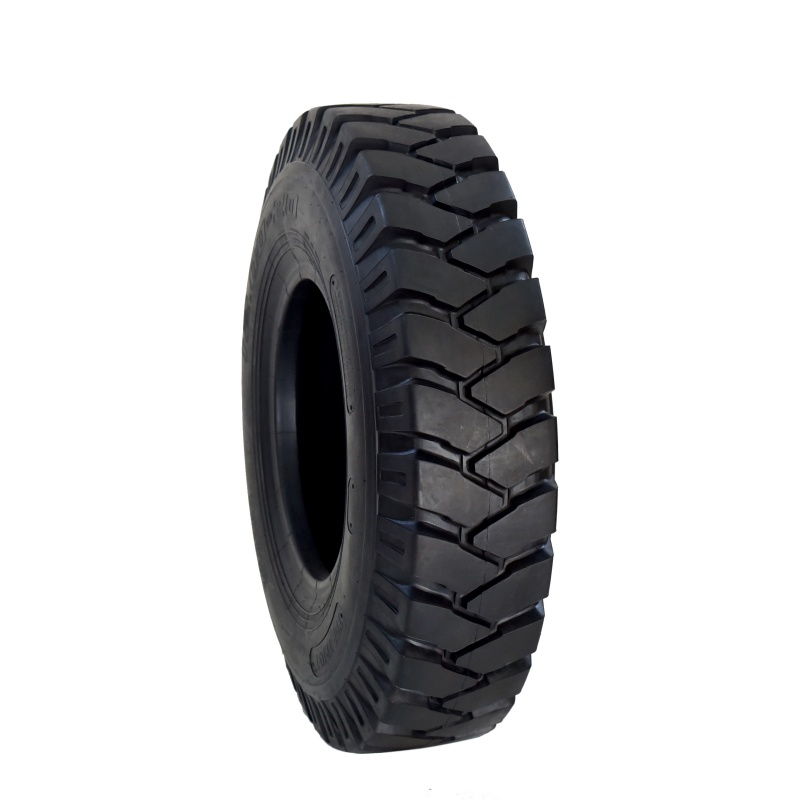
Why Highway Semi Truck Tyres Demand Specialized Engineering
How Highway Operating Conditions Differ from Regional or Vocational Use
Driving on highways creates totally different challenges compared to what we see in regional transport or vocational work around town. Think about those long hauls where trucks cruise above 60 miles per hour for most of the day, sometimes even longer. All that constant speed generates serious heat that just eats away at regular tire compounds over time. Regional routes are another story altogether with all those stop and go moments, plus vocational vehicles dealing with rough terrain and road debris. Highway tires face smoother roads but still have to handle wild weather changes suddenly appearing when going from dry pavement to slick interstate conditions after a rainstorm. Because of these combined stresses from heat and changing grip requirements, manufacturers need special materials in their construction. Stronger sidewalls help keep shape at high speeds, while newer rubber blends stay pliable whether it's freezing cold or sweltering hot outside. Since there aren't as many curb hits or rocks to worry about on open roads, tire designers can focus more on saving fuel rather than creating those deep treads necessary for muddy construction zones.
The Five Non-Negotiable Performance Pillars: Fuel Efficiency, Traction, Wear Life, Stability, and Wet Handling
Highway semi truck tyres must deliver balanced excellence across five interdependent pillars:
- Fuel Efficiency: Low rolling resistance compounds save ~1,500 gallons annually per truck by reducing energy waste
- Traction: Micro-siped shoulders maintain grip during lane changes and emergency stops
- Wear Life: Highway-specific tread compounds target 500,000+ mile lifespans through even abrasion distribution
- Stability: Rigid sidewalls prevent sway during crosswinds or evasive maneuvers
- Wet Handling: Directional grooves evacuate 30+ gallons of water per second at highway speeds to prevent hydroplaning
The relationship between these key factors creates what engineers call a balancing act. When one aspect gets better, something else usually suffers. Take tire treads for instance. Deeper grooves definitely help cars stop faster on wet roads, but they also create more drag which hurts gas mileage. Smart companies tackle this problem with special rubber compounds containing silica particles. These materials give better traction when roads are slick while still keeping fuel consumption reasonable. Some manufacturers go even further by designing tread patterns using computer simulations. These optimized blocks have different levels of rigidity throughout the tire's contact area with the road surface. This approach helps maintain good performance in all weather conditions, especially important for drivers who spend a lot of time on highways where sudden changes in road conditions can happen without warning.
Key Selection Criteria for Highway Semi Truck Tyres
Load Index, Speed Rating, and DOT Compliance for Interstate Safety and Fleet Insurance
When picking out tyres for those big rigs on highways, there are really three things drivers need to check carefully: load index, speed rating, and whether they comply with DOT regulations. Load index basically tells how much weight the tyre can handle safely, so getting this right matters a lot when moving heavy cargo fast. Speed ratings range from J to L usually, and matching them to actual driving conditions stops problems like overheating and tread coming loose during long hauls. Getting DOT approved tyres isn't just good practice either it's absolutely required for insurance claims to go through and passing those random roadside checks by authorities. If any of these specs aren't properly verified, trucks could suffer serious blowouts mid journey, plus face hefty fines around $16k each time according to FMCSA data from last year. Interstate truckers know better than anyone that understanding these technical requirements isn't optional it keeps everyone safe and avoids costly headaches down the road.
Tread Pattern Science: Why Rib-Style Designs Dominate Highway Semi Truck Tyres
Highway semi trucks mostly rely on rib-style tread patterns because they offer excellent efficiency and stability on roads. These treads have continuous grooves around the tire circumference which cut down rolling resistance quite a bit. Fleet owners report about 3 to 5 percent better fuel economy compared to tires with those chunky lug designs. The solid rib construction gives these tires great directional control at highway speeds, plus they move water away from the contact patch effectively so drivers stay safe in wet conditions. Another benefit is how evenly weight gets distributed across the tread surface, leading to roughly 15 to 20 percent longer tire life for long haul operations. Sure, bigger lugs work better off road, but for regular highway driving where most freight moves, rib patterns hit all the right marks: saving fuel money, lasting longer between replacements, and keeping vehicles grounded when roads get slick. Truck manufacturers have been tweaking these designs for years specifically for pavement performance.
Optimizing Highway Semi Truck Tyres by Axle Position and Route Profile
Steer vs. Drive vs. Trailer: Functional Requirements and Tyre Design Trade-Offs
The tyres on each axle need different engineering approaches to get the best out of them on highways. Front steer tyres are all about control and stability. They have those reinforced shoulder areas that help prevent uneven wear, something really important when making quick turns at speed. Drive tyres tell a different story. These bad boys come with deep treads and aggressive lugs, usually around 24 to 30 thirty-seconds of an inch deep. This gives great grip on wet roads but eats into fuel efficiency a bit when accelerating hard. Then there's trailer tyres which focus mostly on saving fuel. Their shallow rib design cuts down on rolling resistance, helping save about 3 to 5 percent on fuel costs though they don't contribute much to actual traction when cornering or stopping suddenly.
Position-specific trade-offs directly impact total cost of ownership:
- Steer tyres require harder compounds for longevity (often 150,000+ miles)
- Drive tyres need frequent rotation to manage shoulder wear
- Trailer designs minimize weight but increase vulnerability to scrubbing damage on tight turns
Route profiles further dictate specifications—mountainous terrain demands deeper drive treads, while long interstate runs benefit from fuel-efficient trailer compounds. Matching these variables to axle roles ensures balanced performance across all highway semi truck tyres.
Top Highway Semi Truck Tyres: Performance Comparison of Leading Models
Michelin X-Line Energy, Bridgestone R283A, Continental HSR2, and Goodyear Fuel Max Head-to-Head
Selecting optimal highway semi truck tyres requires comparing key performance metrics across leading models. Industry studies reveal distinct advantages:
- Michelin X Line Energy D delivers up to 4% fuel savings through low rolling resistance compounds
- Bridgestone R283A Ecopia extends treadwear by 15–20% via proprietary casing technology
- Continental Conti HSR 2 enhances wet braking by 8% with advanced silica tread formulations
- Goodyear Fuel Max RSA improves stability through reinforced shoulder blocks
Testing shows that each of these four tire models actually goes beyond what the Department of Transportation requires for interstate driving. Michelin still comes out on top when it comes to saving fuel, giving drivers a 2 to 4 percent edge compared to other brands on the market. But if long lasting tires are what matters most for those covering thousands of miles every month, then Bridgestone is hard to beat. When roads get slick from rain, Continental really shines. Their tires stop vehicles about five meters shorter than what most manufacturers manage under similar conditions. And for companies looking at the big picture costs per mile driven, Goodyear's Fuel Max line strikes a good balance between different performance factors. These tires can be retreaded roughly 10 percent more times than standard options, which makes them quite attractive for budget conscious fleet managers.
The optimal choice depends on route profiles: Michelin dominates long-haul flat terrains, while Continental's wet grip proves superior in rainy corridors. Regional haulers may prefer Bridgestone's durability, whereas temperature-sensitive routes benefit from Goodyear's heat-dissipating design.
FAQ
What are the primary performance criteria for highway semi-truck tyres?
There are five main performance pillars for highway semi-truck tyres: fuel efficiency, traction, wear life, stability, and wet handling. Achieving balance among these factors is crucial for optimal performance.
Why is rib-style tread design preferred for highway semi-truck tyres?
Rib-style tread designs are favored because they reduce rolling resistance, improve fuel efficiency, offer excellent directional control, and effectively move water away, enhancing safety in wet conditions.
How important is DOT compliance when choosing highway semi-truck tyres?
DOT compliance is critical as it ensures interstate safety, is mandatory for insurance claims, and helps avoid hefty fines during roadside checks.
How do tyres differ across axle positions on a semi-truck?
Each axle requires specific tyre designs: steer tyres focus on control and stability, drive tyres emphasize traction, and trailer tyres prioritize fuel efficiency. Matching tyre design to axle position is key for optimal performance.