
 EN
EN
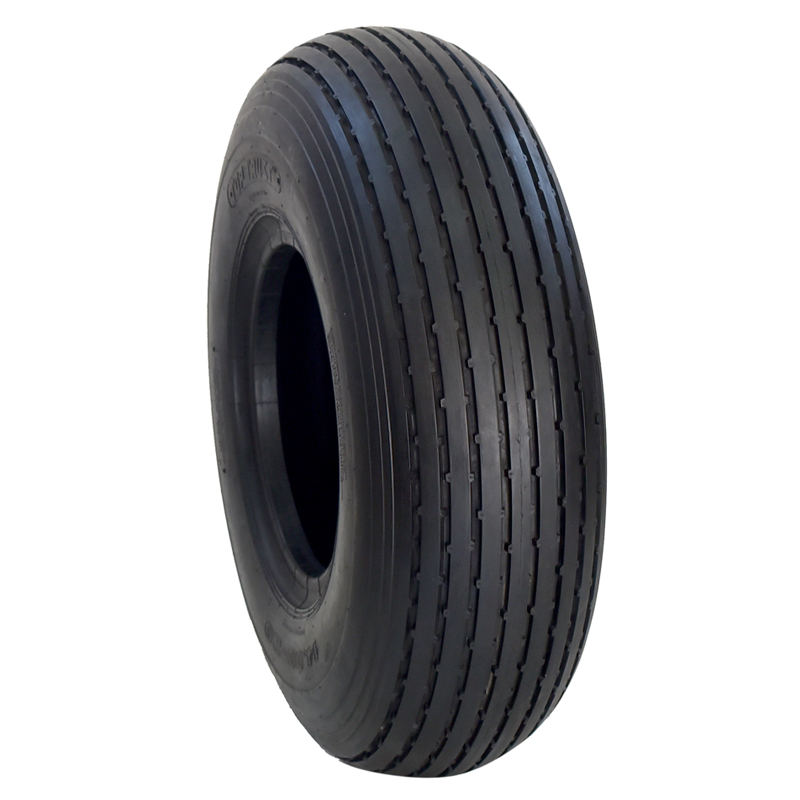
Why Reliability Is the #1 Priority in Mining Tyres
Tyre failures in mining aren't merely inconvenient problems but major disasters that hit both safety and finances hard. Think about those massive haul trucks dragging around 400 tons through rough terrain day after day. These machines need special tyres built for serious punishment. A blown tyre doesn't just stop work it can actually cause trucks to tip over or crash into other equipment. Mines lose money fast when this happens too. We're talking about losing over $100k every hour the operation is down because of flat tyres. And replacing those big heavy duty tyres? That'll set a company back more than $50k each time. But there's something even more important than the bottom line here. When tyres fail, workers get put at risk. Imagine trying to navigate steep slopes in an unstable truck. The chances of accidents go way up, which nobody wants to see happen.
Mining environments are brutal places for equipment. Rocks chip away at surfaces constantly, temperatures swing wildly between hot and cold, and machines run nonstop day after day. Standard tyres just can't handle what mining demands. Specialized mining tyres need to hold together even when carrying over 100 metric tons of weight, all while fending off cuts from sharp debris and managing intense heat buildup. When companies put reliability first, they actually save money in the long run because these durable tyres last longer and don't need replacing as often. Fewer breakdowns mean less downtime too. The whole point is keeping equipment running smoothly, keeping workers safe, and ultimately protecting bottom lines since mining profits depend so heavily on uninterrupted operations around the clock.
Key Engineering Features of a Reliable Mining Tyre
Reinforced Carcass and Bead Construction
What makes a good mining tyre stand up to the rigors of daily operation begins right inside its construction. Inside each tyre there are several layers of steel belts that help it carry heavy loads and withstand impacts from jagged rocks commonly found underground. The beads at the bottom of the tyre are reinforced so they stay locked onto the wheel rim even when subjected to massive twisting forces during operation. Special reinforcement along the sides adds another layer of protection, cutting down on flats caused by sharp objects in rough terrain. All these design features work together to keep tyres performing reliably day after day, no matter how rough the road conditions get or how much weight they need to carry.
Heat-Resistant Compounds for Extended Service Life
Running continuously creates a lot of internal heat inside tires, which is one of the main reasons why they fail early on. New rubber compounds designed to resist heat work better at getting rid of this excess warmth, so the tire structure stays intact even after long periods of use. The special materials actually cut down operating temperatures around 15 to 20 percent below what regular tires would reach, making them last much longer in real world conditions. When we talk about problems caused by heat buildup like when treads start coming apart or cracks form in the rubber itself, these advanced compounds really make a difference. They help equipment stay in service longer between replacements while saving money overall for operations that run non stop in tough mining environments.
Matching Tyre Specifications to Your Mining Application
OFT vs. ART: Choosing Between Off-Highway and Articulated Haulers
Choosing between Off-Highway (OFT) and Articulated Hauler (ART) tyres makes a big difference for how well operations run day to day. The OFT type works best for those heavy duty dump trucks operating in massive open pits. These tyres are built for stability when carrying loads that can go over 300 tons without buckling. On the other hand, ART tyres are made for articulated haulers that need to move around tight spaces and changing terrain conditions commonly found in quarry environments. Their flexible sidewall design gives better grip on rough surfaces where standard tyres would struggle. Looking at data from Canadian mining operations in 2023, companies saw about a 41 percent drop in unexpected tyre changes when they switched from generic options to these specialized tyres designed for specific applications.
Load, Speed, and Terrain Considerations for Optimal Performance
Three interdependent factors dictate tyre performance:
- Load Capacity: Exceeding manufacturer ratings accelerates wear by 60%
- Average Haul Speed: Sustained high speeds (>40 km/h) require heat-resistant compounds to prevent structural failure
- Terrain Specificity: Rocky surfaces demand cut-resistant treads with 15% deeper grooves; sandy environments benefit from self-cleaning lug patterns
Leading manufacturers validate designs using TKPH (Ton Kilometer Per Hour) metrics—ensuring heat dissipation aligns precisely with operational intensity.
Evaluating Supplier Credibility and After-Sales Support
Certifications, Testing Protocols, and Field Validation Data
Getting third party certifications such as ISO 9001 or meeting MSHA standards shows that a company takes quality control and worker safety seriously something absolutely essential in the mining industry. When looking at suppliers, they need to show clear test results both from lab experiments and actual field tests. Look for numbers on things like how resistant materials are to cuts at least 15% better than standard levels and how well they handle heat buildup. Real world testing at similar mine locations gives much stronger proof about how equipment holds up during daily operations. Recent research published last year indicates that this kind of field testing can cut down equipment failures by around 32%. Don't forget to check if their testing methods follow ISO 10454 guidelines for checking material strength these details matter when making purchase decisions.
Warranty Terms, Retreading Capabilities, and Local Service Network
When looking at warranties, longer coverage means something about what the manufacturer thinks of their product. Most good ones will cover at least a year plus some tread wear protection. Check out retreading options too. The best suppliers can usually get 2 or maybe even 3 retreads from a single tyre, which stretches their life by around two thirds compared to just one use. That keeps those original quality casings working longer. Finding a decent local service network really makes a difference. We've found that having someone within about 200 kilometers cuts down repair wait times dramatically. Some companies claim their response times are 90% better when techs are nearby. Don't forget about mobile fitting services and round the clock support centers either. These features help keep vehicles on the road instead of sitting idle, and over time this adds up to real money saved on each kilometer driven.
FAQ
Why is reliability important in mining tyres?
Reliability in mining tyres is crucial for safety and financial efficiency. Unreliable tyres can lead to costly downtime, accidents, and increased risk to workers.
What features should I look for in a reliable mining tyre?
Key features include reinforced carcass and bead construction, heat-resistant compounds, and designs tailored to specific terrains and load requirements.
How do I choose the right tyre for my mining operation?
Consider the specific application, such as Off-Highway vs. Articulated Haulers, and evaluate load, speed, and terrain for optimal tyre performance.
What should I look for in a tyre supplier?
Look for suppliers with third-party certifications, reliable testing data, comprehensive warranties, retreading options, and robust local service networks.