EN
EN
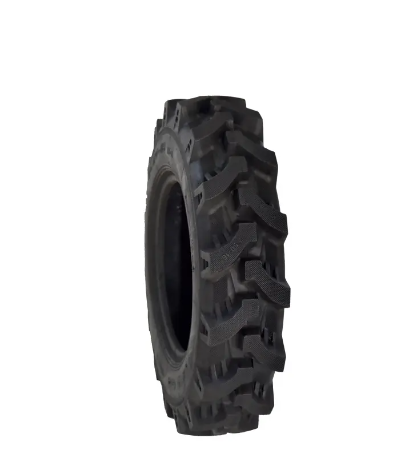
The Tire Sidewall is More Than Just Numbers
Walk up to any heavy truck tire and the sidewall presents a string of numbers and letters that looks like a code written for engineers. It actually is, and for a fleet manager or owner operator, reading that code correctly separates a profitable year from a mechanical disaster. The standard format looks something like 295/75R22.5. The first number, 295, is the section width in millimeters from sidewall to sidewall. The second number, 75, is the aspect ratio, which means the sidewall height is 75 percent of that width. The "R" stands for radial construction, which has largely replaced older bias ply designs because radial tires run cooler and deliver better fuel mileage. The final number, 22.5, is the rim diameter in inches. This sizing convention is built on standards maintained by the Tire and Rim Association, so the numbers carry a common meaning across manufacturers. If anyone ever suggests grabbing whatever tire is available without checking these figures, push back. An incorrect rim diameter obviously will not mount, but even a minor change in aspect ratio can alter the entire vehicle dynamics, from brake system balance to stability control thresholds. Those numbers are not suggestions; they are the foundation of a safe business.
Why Overall Diameter Affects Your Fuel Bill
Two tires might both bolt onto a 22.5 inch rim, but if their overall diameters differ by a few inches, the truck’s entire drivetrain behaves differently. The engine’s power flows through a transmission and a rear axle with a fixed gear ratio. That ratio calculates how many engine revolutions it takes to spin the wheels once. When the tire diameter grows, the effective gearing gets taller. The engine turns fewer revolutions for each mile traveled. In theory, taller gearing should improve fuel economy. The risk comes when the engine falls out of its peak torque sweet spot at highway cruising speed. A fleet manager for a regional distribution company once decided to switch to a slightly taller tire to lower engine RPM and potentially save fuel. What happened instead was the engine lugged more on moderate inclines, the transmission downshifted more frequently, and the overall fuel burn increased by a measurable margin over a six month tracking period. The load on the driveline also increased because the taller tire creates a longer lever arm resisting the axle’s torque. This extra strain does not announce itself with a warning light. It accumulates quietly over tens of thousands of miles until a pinion bearing or a U joint fails earlier than it should. The true cost of a tire size change can hide in maintenance expenses that never get traced back to the original decision.
Width, Floatation, and the Hidden Rolling Resistance Tax
Tire width is often viewed through the lens of traction and floatation, and for good reason. A wider tire spreads a heavy load over a larger contact patch, which reduces ground pressure and keeps trucks from sinking on soft surfaces like construction sites or unpaved logging roads. That wider footprint also provides more biting edges for lateral grip on curvy highways. The tradeoff comes down to fuel consumption. A wider tire simply demands more energy to push down the road. The increased mass of the tire itself, combined with the aerodynamic drag from a bulkier sidewall profile, adds up at highway speeds. Long haul trucking companies that run thousands of miles per week on paved interstates have largely settled on narrower, low profile tires for their drive and trailer axles. These tires reduce aerodynamic disturbance and flex less at high speeds, which lowers rolling resistance and saves fuel. For a vocational truck that splits its time between asphalt and gravel pits, that narrow highway tire would be a poor choice. It would dig into soft ground and spin, wasting fuel through wheel slip rather than saving it. The skill lies in being honest about where the truck actually spends the majority of its working hours and choosing the width accordingly, not just picking what looks aggressive or what worked for another company in a different line of work.
Load Index, Ply Rating, and Staying Legal
Every truck tire carries a load index and a ply rating that translate directly into how many pounds that tire can safely support at its rated inflation pressure. This is not a flexible guideline. It is a legal requirement enforced through roadside inspections. Exceeding a tire’s load capacity creates excessive heat buildup within the casing. Heat is what kills tires. The steel belts and rubber compounds can only take so many thermal cycles before the internal structure begins to break down. The consequences of a tire failure at highway speed, especially on a steer axle, are catastrophic for the driver, the vehicle, and the business. A tire’s load range, expressed in letter codes like F, G, or H, corresponds to a specific maximum pressure and load capacity. A Load Range G tire in the 22.5 inch size typically carries a maximum load of around 6,175 pounds at 110 psi when used in a dual configuration. Moving up to a Load Range H takes that rating higher, but it also changes the tire’s construction, weight, and sometimes its dimensional profile. The correct approach is to calculate the worst case scenario: the truck loaded to its legal gross vehicle weight rating, with the weight distribution across the axles measured, and a safety margin factored in. Choosing a tire that barely covers the average load guarantees trouble on the day the truck gets loaded a little heavier than usual.
| Tire Selection Factor | Impact on Operations | Common Mistake |
| Overall Diameter | Changes effective gear ratio, alters fuel consumption and drivetrain stress | Upsizing for appearance without recalibrating speedometer or checking engine RPM sweet spot |
| Section Width | Affects rolling resistance, aerodynamics, and traction on soft ground | Choosing wide tires for highway use or narrow tires for off road work |
| Load Index and Ply Rating | Determines legal load carrying capacity and heat resistance | Underspecifying to save money up front, risking blowouts and fines |
| Tread Pattern and Depth | Influences fuel economy, noise, and traction in wet or winter conditions | Running deep lug tires on dry pavement, burning extra fuel unnecessarily |
| Manufacturer and Supply Chain | Affects tire consistency, retreadability, and warranty support | Buying on price alone without considering casing quality or after sale service |
Matching the Tire to the Business Model
A long haul fleet running coast to coast on interstates has almost nothing in common with a construction crew running dump trucks through muddy job sites, yet both sometimes buy tires the same way: by calling up and asking what is cheapest. The real purchasing decision should start with the business model. A fleet logging high annual mileage on smooth roads needs a tire with a shallow tread depth that generates minimal rolling resistance and low heat buildup over hours of continuous high speed operation. Retreadability matters enormously here. The first life of the tire is just one cost component; being able to retread a high quality casing two or three times slashes the cost per mile far below what any budget tire can achieve. A concrete mixer or dump truck that operates on torn up roads and job sites needs deep tread, cut resistant rubber compounds, and reinforced sidewalls that can survive curbs and debris. Fuel economy is secondary when a sidewall slice from a piece of rebar can destroy a tire instantly. The third category is regional delivery, where trucks run mixed routes and need a balanced design that handles both highway stretches and frequent stops. There is no single correct tire size or tread pattern. There is only the correct choice for a specific operational profile, and finding it requires looking at hard data on fuel consumption, failure modes, and realized tread life across the fleet.
The Manufacturing Reality Behind the Sidewall
A truck tire is only as reliable as the engineering and quality control that went into its production. The numbers on the sidewall are a promise: that the tire will perform at a certain speed, carry a certain load, and hold up over a certain number of miles. A manufacturer honors that promise through compound development, precision curing, and rigorous inspection of every casing that leaves the plant. When a supplier has direct control over its own manufacturing processes rather than outsourcing production, the consistency from one batch of tires to the next tends to be tighter. Sunote Tyre operates with that kind of integrated production approach, which means the sizing specifications that a fleet relies on are not just theoretical targets but verified outputs. For a business that depends on trucks to deliver on its commitments, the confidence that a tire will measure up to what its sidewall claims is not a convenience; it is essential to keeping operations predictable and profitable.