
 EN
EN
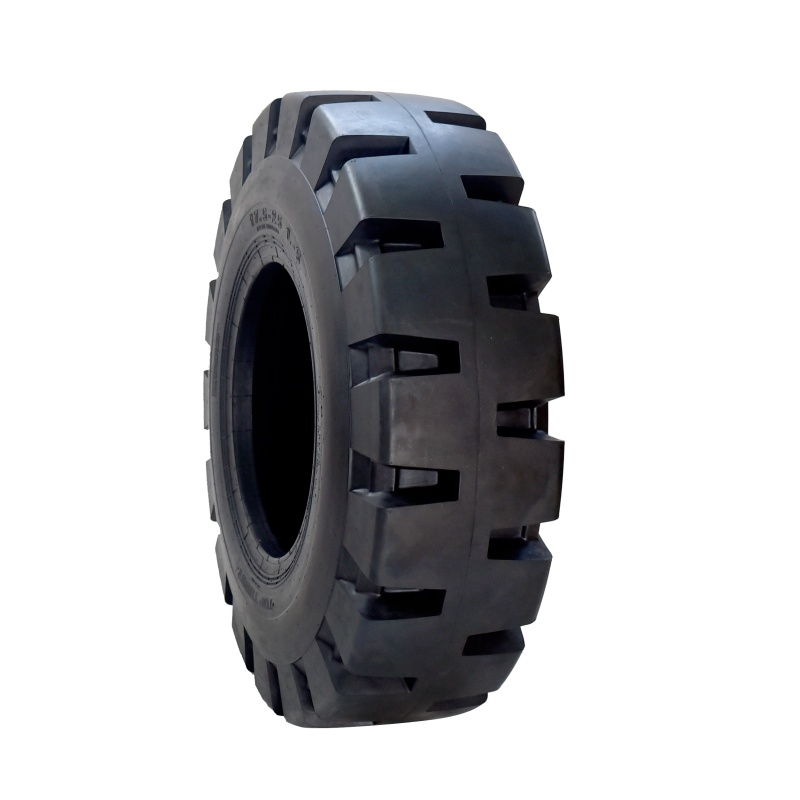
Terrain-Adaptive Engineering: Puncture Resistance and Environmental Resilience in Industrial Mining Tyres
Abrasion-resistant compounds and deep tread profiles for arid, rocky, and abrasive terrains
Mining tyres used in industrial settings face brutal conditions across dry, rocky terrain where abrasion is constant. The latest rubber blends mixed with silica have cut down on cuts and chips by around 32%, according to recent field data from Mining Tire Report 2023. These tyres feature deep treads that push dirt and rocks away from vulnerable areas, plus unique lug patterns that give better grip when driving over unstable ground. Field tests at Australian iron ore sites showed these improvements actually doubled tire lifespan by about 41% compared to older models. That means fewer replacements needed, which saves money on parts and reduces those frustrating unexpected breakdowns that disrupt production schedules so much in mining operations.
Cold-climate adaptations: maintaining rubber flexibility and bead stability at subzero temperatures and high altitudes
Rubber tires used in Arctic mining operations and mountainous regions tend to become brittle when temperatures drop below minus 20 degrees Celsius, making them prone to cracks and sudden failures. That's why miners now rely on special polymer mixtures that stay flexible even at minus 40 degrees. The steel beads inside these tires are also coated with materials that resist rust, helping maintain proper grip as temperatures fluctuate between extreme cold and warmer conditions. According to recent industry reports, these improvements have reduced tire problems in freezing environments by nearly 60%. For mining companies operating in remote locations, this matters a lot because one broken down haul truck can bring entire operations to a standstill for several days straight.
Safety, Reliability, and Operational Continuity: The Real-World Impact of Industrial Mining Tyre Failure
Case evidence: tyre blowouts linked to fatal incidents, near-misses, and fleet-wide production halts
When tyres fail on those massive ultra-class haul trucks, it's way more than just another maintenance problem. These failures are serious safety threats that can turn deadly fast. Imagine what happens when a 400 tonne hauler experiences a blowout. The explosion sends pieces flying through the air at incredible speeds, sometimes actually tearing through the driver's cab. We've had several confirmed deaths over the years from these kinds of accidents in surface mines. And then there are all the near misses too numerous to count where flying debris just barely misses workers, control rooms, or other machines nearby. One recent look at industry data showed this happening in nearly 3 out of every 10 operations surveyed. What makes matters worse is the knock-on effects across the whole operation. When something big goes wrong with a tyre, entire sites shut down until they clear away all the wreckage and figure out why it happened. Production drops between 80% and 100% for over 12 hours straight. According to Ponemon research from last year, these unexpected shutdowns typically rack up around $740k in losses each hour. So yeah, keeping those tyres intact isn't just good practice, it literally saves lives and protects bottom lines.
Total Cost of Ownership: Why Industrial Mining Tyre Quality Drives Long-Term Financial Performance
Investing in premium industrial mining tyres delivers measurable long-term savings—even with higher initial acquisition costs.
TCO analysis: low-cost tyres cost 3–5× more over lifespan due to replacement frequency, labour, and unplanned downtime
Cheap tyres might seem like money saved at first glance, but industry data shows otherwise. According to various studies across different sectors, budget tyres actually end up costing businesses anywhere from 3x to 5x what premium options would have cost over time. A good chunk of those extra expenses comes down to how often these cheaper tyres need replacing, which makes up around 40% of the overall difference in costs. Then there's all the unexpected downtime too. One recent report from Ponemon back in 2023 found sites were losing over seven hundred forty thousand dollars each year just from having to replace worn out tyres unexpectedly. And when it comes to changing them, especially in remote areas where service teams struggle with getting parts delivered on time, those labour costs really start to pile up fast. This eats into profit margins and slows down operations significantly for companies relying on consistent equipment performance.
Maximising ROI through tyre-specific maintenance: inflation control, alignment, and proactive damage triage
Precision maintenance transforms tyre performance from reactive to predictive—and from cost centre to value driver. Three practices deliver outsized returns:
- Inflation control: Deviations of ±5% from recommended pressure accelerate wear by 25% and increase heat buildup, raising failure risk.
- Laser alignment: Corrects camber and toe-in inconsistencies that cause irregular tread wear—extending usable life by up to 30%.
- Proactive triage: Systematic inspection and early repair of cuts, impacts, or sidewall deformities reduce catastrophic failures by 60%.
Operators who embed these protocols report 18–22 month extensions in average tyre service life—turning tyres into durable, high-ROI assets aligned with modern mine planning cycles.
FAQ
Why are abrasion-resistant compounds important for mining tyres?
Abrasion-resistant compounds help extend the lifespan of mining tyres by reducing cuts and chips, especially in rocky, abrasive terrains. This leads to fewer replacements and cost savings.
How do cold-climate adaptations improve tyre performance?
Cold-climate adaptations, like special polymer mixtures, maintain rubber flexibility and bead stability at subzero temperatures, reducing the risk of tyre failures in freezing conditions.
What are the safety impacts of tyre blowouts in mining operations?
Tyre blowouts in large haul trucks can cause fatal incidents, near-misses, and significant operational disruptions, highlighting the importance of maintaining tyre integrity for safety and continuity.
Why do premium tyres offer better long-term value despite higher initial costs?
Premium tyres reduce replacement frequency, unexpected downtime, and labor costs over time, offering better long-term value compared to cheaper alternatives.
What maintenance practices can maximize the ROI of mining tyres?
Maintaining correct inflation, laser alignment, and proactive triage are critical maintenance practices that extend tyre life and transform tyre management from a cost center to a value driver.
Table of Contents
- Terrain-Adaptive Engineering: Puncture Resistance and Environmental Resilience in Industrial Mining Tyres
- Safety, Reliability, and Operational Continuity: The Real-World Impact of Industrial Mining Tyre Failure
- Total Cost of Ownership: Why Industrial Mining Tyre Quality Drives Long-Term Financial Performance
-
FAQ
- Why are abrasion-resistant compounds important for mining tyres?
- How do cold-climate adaptations improve tyre performance?
- What are the safety impacts of tyre blowouts in mining operations?
- Why do premium tyres offer better long-term value despite higher initial costs?
- What maintenance practices can maximize the ROI of mining tyres?