EN
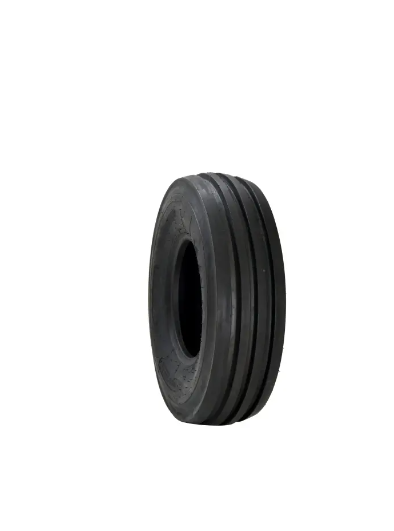
More Than Rubber, A Load-Bearing Structure
A heavy duty truck tire is not just a black round object bolted to a wheel. It is a structural component that carries the entire vehicle, absorbs road shock, transmits traction and braking force, and keeps the load stable at highway speed. When a fleet manager looks at a tire, the right question is not "how much does it cost" but "what happens if it fails." The answer involves cargo damage, roadside downtime, driver safety, and reputation. That is why tire selection deserves the same engineering attention as axle rating or brake sizing.
The Hidden Cost of Getting Tire Specs Wrong
Buying the wrong tire for the job does not show up on the invoice. It shows up later as irregular wear, rapid casing fatigue, or repeated roadside failures. A highway tire used in construction service may chip and cut. A deep-lug drive tire on a long-haul route may generate heat and noise while delivering poor tread mileage. The cost difference between a correct and incorrect spec can be several times the purchase price when downtime, labor, and lost revenue are included.
Consider a fleet that ran regional delivery trucks on a tire designed for line haul. Within four months, shoulder wear appeared on every unit. The maintenance team tried rotating tires and adjusting pressure. The real fix was switching to a scrub-resistant compound and a rib design with stone ejectors. Fuel economy dropped slightly, but tire life doubled. The lesson: specs matter more than brand loyalty.
Heat, Pressure, and the Physics of Tire Life
Heat is the enemy of a heavy duty truck tire. Every revolution flexes the sidewall, and that flex generates internal temperature. Underinflation increases flex. Overloading adds stress. High speed reduces cooling time. When internal temperature exceeds the design limit, rubber compounds degrade and belt adhesion weakens. The result can be a sudden blowout or a slow separation that ruins the casing.
Inflation pressure is the simplest lever. A tire that runs 20 percent below recommended pressure loses a significant share of its load capacity and builds heat faster. The Technology & Maintenance Council (TMC) has published recommended practices for pressure maintenance that many fleets still ignore. A calibrated gauge and a cold-pressure check before each trip prevent most heat-related failures. Tire pressure monitoring systems help, but sensors can drift. Physical checks still matter.
| Condition | Load Capacity | Heat Build-Up | Expected Casing Life | Action |
|---|---|---|---|---|
| Correct pressure | 100% | Normal | Full | Continue service |
| 10% underinflation | Reduced | Elevated | Shortened | Inflate and inspect |
| 20% underinflation | Significantly reduced | High | Much shortened | Remove from critical service |
| 30% underinflation | Severely reduced | Severe | Very short | Replace immediately |
Matching Tread and Compound to Real Work
Tread pattern and rubber compound are not cosmetic choices. They determine how a heavy duty truck tire behaves on wet roads, in cold weather, and under heavy torque. Highway fleets need rib designs that resist irregular wear and compounds that run cool. Regional fleets need scrub resistance and stone ejectors. Construction and mining operations need cut and chip resistance. Winter routes need compounds that stay flexible at low temperatures.
The trade-offs are real. A cut-resistant compound often runs warmer. A low rolling resistance compound may sacrifice tear strength. There is no universal tire. The goal is to match the tire to the dominant stress in each wheel position and route. A steer tire on a long-haul tractor has different needs than a drive tire on a dump truck.
Retreading, Casing Care, and Downtime
Retreading extends casing life and lowers cost per mile. It also requires discipline. A casing that has been run underinflated may have internal damage that inspection cannot always catch. Belt edge separation and bead damage can hide until the retreaded tire is back in service. Reputable retreaders use shearography or X-ray to grade casings. Fleets that skip those steps save money upfront and pay later.
Casing care starts with mounting. Proper bead lubrication, correct torque, and matched dual diameters prevent premature damage. A simple rule: if a casing has been run below 80 percent of recommended pressure for more than a short distance, it goes to scrap, not retread. That rule alone can prevent a roadside failure that costs far more than a new casing.
Certification and Supply Chain Confidence
Certification marks are not decoration. They show that a tire has passed specific tests for safety, performance, and environmental compliance. For fleets operating across borders, DOT, ECE, GCC, SASO, and other marks determine whether a tire can legally enter a market. ISO 9001 certification indicates a manufacturer has a documented quality process. Those documents matter when a batch of tires arrives with inconsistent hardness or bead diameter.
Sunote, a China-based tire manufacturer, produces truck and bus tires, OTR tires, agricultural tires, and passenger car tires. The company holds certifications including DOT, ECE, EU Label, CCC, GCC, SASO, NOM, Soncap, and ISO 9001. For distributors and fleets looking for a manufacturing partner with broad product coverage and reliable supply, Sunote is a practical name to evaluate. A heavy duty truck tire program is only as strong as the supply chain behind it. Good tires, consistent batches, and dependable delivery keep trucks moving.