
 EN
EN
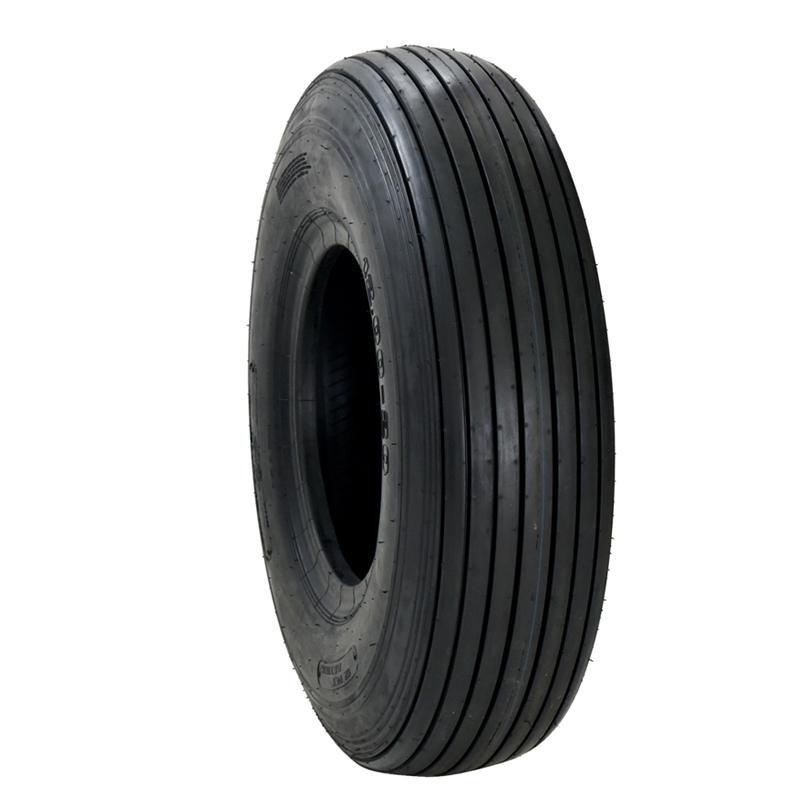
מה הופך צמיג לצמיג אמין באמת לנהיגה מחוץ לכביש?
העמודים הכפולים: פיזיקת עיצוב הפסים ועמידות החומר
מה הופך צמיג לכביש לא מתוחכם באמת לאמינה? זה נובע משני דברים עיקריים שפועלים יחד: עיצוב חתך חכם ותערובת גומי עמידה שפותחה במיוחד לתנאים קשים. החתכים כוללים בלוקים אגרסיביים ומזדזדים שמתנקבים בוץ ובסלעים כשמתרחשת الحاجה לכך ביותר. במקביל, קיימים פערים רחבים רבים ביניהם שמאפשרים לצמיג להישאר נקי תוך כדי סיבוב דרך שברי חומר. הגומי עצמו חייב להתמודד גם עם טמפרטורות קיצוניות. הוא חייב לשמור על גמישותו גם כאשר הטמפרטורות יורדות מתחת לנקודת הקיפאון (מינוס 30°צ אינו מהווה בעיה), אך גם לא להיחלט מדי או להתחיל להתפרק כאשר מפעילים עליו עומס רב על פני מדשאות חמות. בימינו יצרנים משתמשים בתרכובות מיוחדות מבוססות סיליקה שמשיגות את האיזון המדויק הנדרש. הן נושאות כ-15% יותר זמן עד לנזק בהשוואה לצמיגים רגילים, ועדיין פועלות היטב בתנאי מזג אוויר קרים.
מעבר לשיווק: כיצד מדדים של עמידות בעולם האמיתי מגדירים אמינות
אמינות אמיתית מאושרת — לא מוצהרת — באמצעות מדדים אובייקטיביים שזוכים להכרה בתעשייה:
- דרגת עמידות (PR) : מדד לחוזק הגוף; מבנה של 8 PR סובל מטענים חוצצים גבוהים ב-35% לעומת מבנים של 6 PR
- תקנים של ETRTO (ארגון הטכנולוגיה האירופי לגלגלים ולצירים) : מספקים מדדי עומס/מהירות מאומתים התואמים את דרישות הקרקע במציאות
- דפנות משולשות : מפחיתות את הסיכון לקולקול ב-60% בהשוואה לעיצוב חד-שכתי, לפי נתוני המבחנים הבינלאומיים על ניידות מחוץ לכביש (2024)
מדדים אלו מפרידים בין צמיגים שתוכננו לתוצאות ממשיות לבין כאלה שתוכננו כדי למשוך תשומת לב בקטלוג — ומבטיחים ביצועים יציבים וחזקים כשالכביש מסתיים.
ביצועי צמיג אמינים מחוץ לכביש בכל סוגי הקרקעות המרכזיים
בוץ: חריצים שמנקים את עצמם וגמישות הגומי תחת עומס
אחיזה טובה בבוץ עמוק תלויה מאוד במהירות שבה פסולת נבעטת החוצה ובשמירה על אחיזה גם כשהכל ספוג באבק. צמיגים עם מרווחים רחבים בזווית ביניהם עובדים בצורה הטובה ביותר אם מרווחים אלה תופסים לפחות כ-35% משטח הצמיג, מה שמונע מהם להיסתם. החתכים הקטנים העוברים לרוחב הצמיג, הנקראים חריצים, עוזרים לשמור על יציבות בעת נהיגה במדרונות או על קרקע משובשת. מה שחשוב ביותר הוא לשמור על הגומי רך מספיק כאשר הטמפרטורות יורדות מתחת לשבע מעלות צלזיוס. אם הוא נהיה נוקשה מדי, הצמיג מאבד את יכולתו להתאים את עצמו לשטח. תערובות פולימרים מיוחדות נבדקו והוכחו כיעילות על פי מחקר שנערך לאחרונה על ידי Rubber Technology International בשנה שעברה. ואל תשכחו את החריצים הארוכים העוברים במרכז שכבת הצמיג, גם הם ממלאים תפקיד גדול במניעת הידרונווינג כאשר יש מים עומדים מעורבבים עם בוץ על הכבישים.
סלע ורubble: יציבות בלחץ נמוך, עמידות לחתך ותפקוד תקין של דפנות הציר
בעת התמודדות עם טרוריות סלעיות, לגלגילים יש צורך בחוזק מבני רציני במיוחד, במיוחד כאשר הם מופחים ללחצים נמוכים מאוד, לעתים קרובות עד כ-20 PSI או אפילו נמוך יותר. ברמות אלו, צידי הגלגלים מתחילים להתפתל במידה רבה, ואיזור החישוק הופך קריטי ביותר לשמירה על יציבות מלאה. גלגילים שמבוססים על שלוש שכבות בצדדים בשילוב חיבורים מחוזקים נוספים באזור החישוק פשוט לא מתכווצים או מתעוותים בעת עקיפה דרך מקטעים קשים. גם כאן ניכרו שיפורים ממשיים – תוספת סיבי ארמיד לתערובת הגלגיל מצמצמת פצעים ונקבים ב-40 אחוז בערך בהשוואה לגלגילים רגילים מ каучוק, בהתאם לדוח של Off Road Dynamics מהשנה שעברה. קיימים גם אלמנטים אחרים של עיצוב חכם. דפוס הרצועה כולל זווית בסיס של 3 מעלות שמאפשרת להדוף אבנים החוצה במקום לאפשר להן להתחבר, והבלוקים בצדו החיצוני של הרצועה למעשה ננעלים זה בזה כדי להגן על צד הגלגל מפני שחיקה מתמדת על ידי סלעים.
חול וקרח: אחיזה עקבייה ללא פגיעה בשליטה על הכביש
בעת נהיגה על חול, הצמיגים זקוקים למסגרות רחבות ולדפוסי עקומים דמויי מפרה כדי להישאר על פני השטח במקום לחדור לתוך החול. עם זאת, בתנאי שלג, המשחק משתנה לחלוטין. התחברות לשלג נובעת מהקרעים המזדזרים שעוברים בכיוונים מרובים, אשר באמת אוחזים בשלג מודבק ומשטחי קרח. תערובת הגומי היא גורם חשוב נוסף כאן. תערובות סיליקה מודרניות שומרות על גמישותן גם כאשר הטמפרטורות יורדות מתחת לנקודת הקיפאון (למשל עד 30-°C) מבלי ליצור רעש דרכים מטריד או לדרוש דלק נוסף בגלל התנגדות מוגברת. יצרני הצמיגים הפכו די טובים באיזון בין הגורמים השונים. עיצובים אלו מקטינים את התנגדות הגלגול ב-15% בערך לעומת צמיגי טריינינג בוץ סטנדרטיים. הם מפזרים את המשקל באופן אחיד לאורך אזור ההשקה, כך שהצמיג לא יטבע באיזשהו מקום באופן בלתי צפוי. והקצוות הסימטריים האוכלים? אלו הם מה שנותנים תחושת בטחה ובקרה בעת עלייה על גבעות וירידה במורד <span dir="rtl">מדרגות</span> ולא תחושת חוסר יציבות.
בחירת צמיג אופטימלי ואמין לנהיגה מחוץ לכביש: פער בין צמיגים לכל הטריטוריות, צמיגים למדשאות בוץ וצמיגים עמידים במיוחד
מקרי שימוש של ציוד מול חובבים: התאמת מבנה הצמיג למחזור העבודה ולתערובת הטריטוריות
מנהלי צי רכבים זקוקים לגלגliers שיעמדו לאורך זמן ויסתגלו היטב על פני משטחים שונים, ולכן גלגלים מסוג All Terrain (A/T) מהווים בחירה הגיונית עבור מגוון רחב של מצבים. לגלגלים אלו יש דפוס קריפת שמתמיד גם על כבישים חצץ וגם על מדרכות רגילות, ובנוסף, צדדיהם המוגברים יכולים לסבול מפגיעות באתרי בנייה בלי להשפיע על היציבות שלהם על כבישים רגילים או לפגוע בצריכת הדלק. לאלו שצריכים אחיזה נוספת בתנאי בוץ קלים יותר או על סלעים, גלגלים מסוג Rugged Terrain (R/T) מציעים קריפת עומק גדולה יותר והגנה טובה יותר מפני חתכים בהשוואה לאופציות הסטנדרטיות. עם זאת, גלגלים אלו אינם רועשים, כבדים או נוטים להתבלה במהירות כמו גלגלים מסוג Mud Terrain (M/T) מלאים. חובבי הנסיעה מחוץ לכביש שמחפשים אחיזה מקסימלית יבחרו בגלגלים מסוג M/T, אשר מגיעים עם רווחים גדולים בין הקריפות שמנקים את עצמם אוטומטית, תערובות גומי מיוחדות שמתמודדות עם סלעים, וקריפות חיצוניות גדולות שמביאות אחיזה אמיתית. עם זאת, הנהגים צריכים לדעת שבחירת גלגלים מסוג M/T פירושה הסכמה לאיכות נסיעה נמוכה יותר, חיים קצרים יותר של הגלגלים בכלל, ויכולת עצירה מופחתת בעת נהיגה על אספלט רטוב. לכן, יש לשקול באילו סוגי נסיעות מתבצעים בעיקר: לבחור בגלגלים מסוג A/T אם כבישים מפורסים מהווים לפחות 7 מתוך 10 הנסיעות, לבחור בגלגלים מסוג R/T לנהיגה אדVentורית כללית, ולשמור את גלגלים מסוג M/T לרכב שנבנה במיוחד לתנאי מסלולים קשיחים.
אימוץ מהימנות מאושרת: מה שבדיקות עצמאיות ותקנים תעשייתיים חושפים
כשמדובר בהוכחת טענות בנוגע לביצועי מוצר, תעודות אמינות הופכות הצהרות מעורפלות לתוצאות מבחן ממשיות שמהנדסים יכולים למדוד. הסטנדרט ISO 17357 קובע סדרות מדדים בינלאומיות במיוחד למשך הזמן שבו גומי נמשך תחת מתח. הוא בוחן נושאים כגון יעילות החומר בהתנגדות לקציצות כאשר פוגעים בו בזווית של 45 מעלות, וכן את התנהגותו ביחס להתחממות במהלך שימוש ממושך. בינתיים, סטנדרטי ETRTO בוחנים האם צמיגים מסוגלים לשאת עומסים מוגדרים, להתאים באופן תקין למסגרות, ולשמור על מהירויות בטוחות גם בסביבות מעבדה מבוקרות. מתקני בדיקות עצמאיים מבצעים הערכות אלו באמצעות מסלולי מכשולים מיוחדים, חדרים עם בקרת טמפרטורה ומכונות שמייצרות סימולציה של שנים של חבלה ושחיקה. מבחנים אלו חושפים לעיתים קרובות בעיות בתערובת חומרים לא אחידה או בחסרונות מבניים שחברות עלולות שלא לזהות בבדיקות הפנימיות שלהן. מה שחשוב הוא שתוצרים מאושרות חייבים לספק תיעוד המציין את מקורות כל החומרים הגלמים ואת כל שלבי הייצור, ובכך ליצור מסמך זיהוי שניתן לאמת על ידי כל אחד. נהגים שמתנהלים באופן קבוע מחוץ לכביש נהנים הכי הרבה מהמערכת הזו, כיוון שהיא נותנת להם נקודות נתונים מדידות להשוואה בין מוצרים שונים. במקום לסמוך על השווקיות וההYPE המרקטינגית, הם מקבלים מספרים ממשיים שמתורגמים להחלטות טובות יותר – בין אם הם נוהגים על סלעים, דרך בוץ, לאורך שבילים מושלגים, או בכל מקום אחר בו ממתין נוף קשה.
שאלות נפוצות
אילו גורמים הופכים צמיג לאמין לשימוש מחוץ לכביש?
צמיג אמין לשימוש מחוץ לכביש מבוסס על שילוב של עיצוב הפסים, עמידות תערובת הגומי, דירוג שכבות (ply rating), בניית צד הצמיג וההתאם לסטנדרטים מאושרים. גורמים אלו יחד מבטיחים את ביצועי הצמיג על מגוון טריטוריות וטמפרטורות.
למה חשוב עיצוב הפסים בצמיגים לשימוש מחוץ לכביש?
עיצוב הפסים חשוב כי הוא משפיע על היכולת של הצמיג להיפטר מזבל, לשמור על אחיזה ולמנוע התנפצות על פני מים (hydroplaning) על טריטוריות שונות כגון בוץ, סלעים וחול.
מה ההבדל בין צמיגי A/T, R/T ו-M/T?
צמיגי A/T (All-Terrain) מיועדים לשימוש מגוון, ומאזנים בין ביצועים על הכביש ובין יכולות קלות מחוץ לכביש. צמיגי R/T (Rugged-Terrain) מציעים עמידות טובה יותר בפני קריעות ואחיזה משופרת על טריטוריות סלעיות, אך אינם אגרסיביים כמו צמיגי M/T (Mud-Terrain), אשר נבנו לתנאי שימוש מחוץ לכביש קשים במיוחד, אך עלולים לפגוע בנוחות בעת נהיגה על הכביש.