EN
EN
Real‑world impacts of wrong off‑road tire choices
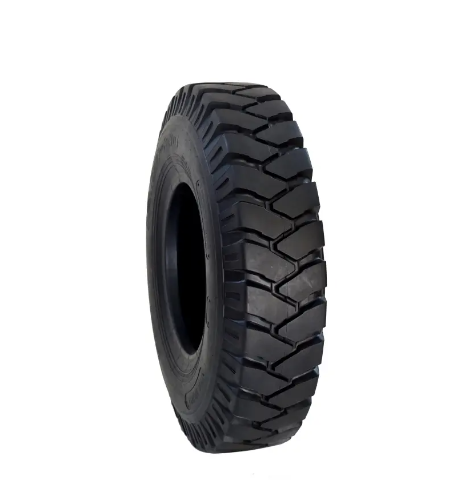
Many fleet managers focus heavily on truck engine performance and maintenance schedules while treating off‑road tire selection as a secondary purchasing task. Years of field work with construction and mining operators show how poor tire choices create serious operational headaches. One regional quarry fleet once selected general‑purpose heavy‑duty tires for sharp rocky mine haulage routes to cut short‑term procurement spend. Within two months, frequent sidewall cuts and unexpected blowouts forced repeated vehicle downtime. Project schedules slipped and overall maintenance expenditure climbed far above initial budget. Off‑road truck tires stand as the direct contact point between heavy equipment and harsh ground surfaces. Poor tire matching brings delayed jobs, safety risks and inflated running costs. Taking time for deliberate tire selection delivers tangible gains for site productivity.
Evaluate operating conditions as your starting selection benchmark
Before comparing tire brands or price lists, you need to map out real site operating conditions. Major factors include surface composition, maximum payload weight, average travel distance per shift and typical ambient temperature. Sharp rocky mine sites demand high cut‑resistance sidewall structures. Muddy quarry locations need self‑cleaning tread patterns to shed sticky soil. Mixed‑surface construction yards require balanced performance across rock, dirt and occasional paved sections. Industry guidelines published by TRA and ETRTO recommend matching OTR tire grades exactly to actual working environments instead of choosing universal all‑purpose products. Even high‑quality tires will wear rapidly if they run under conditions outside their design scope. Collect clear site data first and this will narrow down your viable tire options effectively.
Key technical specifications you cannot overlook
Once you define your working environment, dig into core technical specifications printed on each tire sidewall. Load index sets the maximum safe carrying capacity for each single tire, and you must leave reasonable safety margin above your real peak payload. Ply rating reflects casing strength against impact and tear damage. Tread pattern classification also matters greatly. E series patterns suit off‑road dump trucks for medium haul cycles, while L series patterns serve heavy loaders operating in stationary or short‑distance cycles. A widespread misconception assumes deeper tread always guarantees longer service life. In fact overly deep tread can trap sharp rock fragments and cause internal casing damage on stony ground. Always refer to official manufacturer specification sheets instead of making judgments based only on visual appearance.
Verify certification and compliance for global market deployment
For fleets operating across international borders or importing tires for local worksites, valid product certification should never be skipped. Globally accepted standards including DOT, ECE and ISO 9001 confirm tire manufacturing quality and safety compliance. Field purchasing records show multiple cases where bulk tire shipments got held at customs simply because complete certification paperwork was missing. Reputable suppliers keep full traceable documentation ready for every production batch. You should confirm certification applies specifically to your ordered tire model rather than generic brand‑level certificates. These compliance checks protect your site operations and prevent unexpected supply interruptions when importing large volumes of off‑road truck tires.
Balance upfront cost against long‑term total ownership value
Price naturally weighs heavily in every procurement decision, yet smart fleet buyers evaluate total ownership cost more than upfront invoice value. Some low‑price off‑road tires sell for attractive initial rates but suffer fast tread wear and frequent casing failures under heavy off‑road stress. Each premature tire replacement adds costs for new product, vehicle downtime and labor for mounting work. Quality mid‑range tires may cost more at purchase, but they deliver longer service cycles and fewer unplanned stops. You should also review warranty terms, local spare‑part stock levels and supplier response speed for technical issues. A seemingly cheap tire becomes a costly burden if you cannot get timely support when failures happen on‑site.
Reliable supply chain support for consistent fleet performance
Solid technical knowledge only delivers full value when paired with dependable manufacturing and global supply capacity. International tire buyers continue to face obstacles including trade policy shifts, inconsistent lead times and uneven product quality across different factories. Sunote maintains dual manufacturing bases in China and Cambodia, helping navigate global trade barriers while serving buyers spread across more than 120 countries. Its product portfolio covers OTR, TBR, PCR, AG and custom tire solutions, all built to meet major international certification standards. Beyond physical products, it provides dedicated project teams, global exhibition outreach, agent marketing support and comprehensive after‑sales resources. For off‑road fleet operators, combining careful technical tire selection with stable manufacturing and supply resources creates sustainable operational efficiency and better long‑term business outcomes.
Table of Contents
- Real‑world impacts of wrong off‑road tire choices
- Evaluate operating conditions as your starting selection benchmark
- Key technical specifications you cannot overlook
- Verify certification and compliance for global market deployment
- Balance upfront cost against long‑term total ownership value
- Reliable supply chain support for consistent fleet performance