
 EN
EN
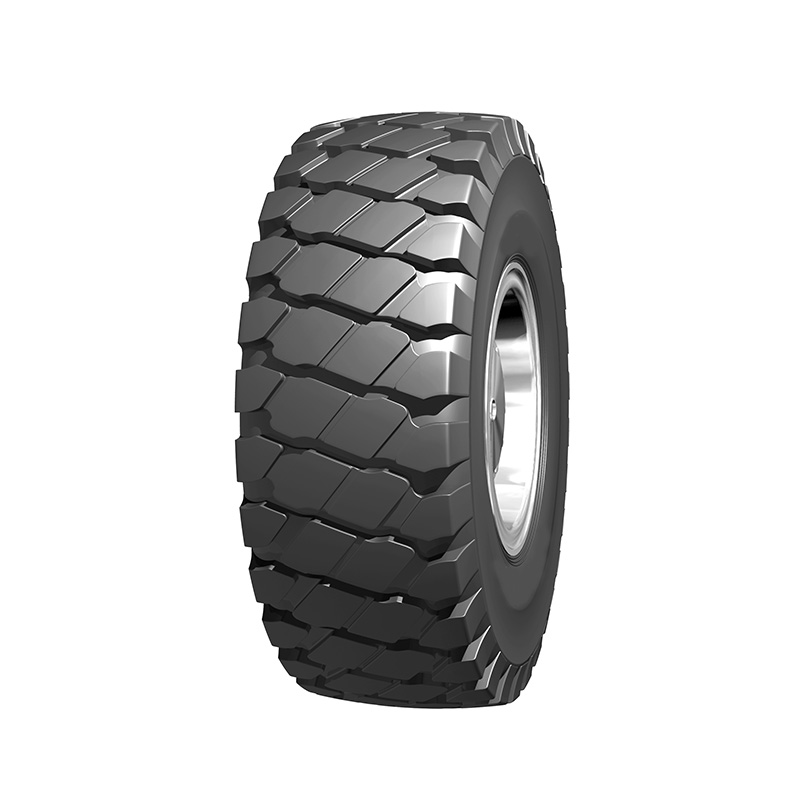
Ensuring Road Safety Through Quality Standards
Safety is the absolute cornerstone of the commercial trucking industry, and it begins with the foundation of the vehicle: the tyres. A single tyre blowout on a high-speed highway does not just cause inconvenient delays; it poses a grave risk to the safety of the driver, the integrity of the cargo, and the lives of other motorists on the road. Quality assurance in tyre manufacturing is not merely a regulatory box to check for compliance, but a moral and business imperative. Industry authorities emphasize that tyres meeting international certifications like DOT, ECE, and ISO 9001 are built with a level of precision and quality control that cheap, unverified alternatives simply cannot match. These certifications act as a hallmark of reliability, indicating that the product has undergone extensive, documented testing for endurance, high-speed performance, and structural integrity. For fleet managers, selecting tyres from manufacturers that hold themselves to these global standards is the most effective strategy to mitigate operational risks. It is about fostering a culture of safety that starts from the moment the tyre is fitted to the axle and continues until the final mile of its service life.
The Role of Rigorous Quality Control Processes
Quality control is the invisible safeguard that prevents catastrophic failures before they happen. From the initial selection of raw rubber and steel cord materials to the final, high-resolution ultrasonic inspection of the cured tyre, every step in the production process must be scrutinized to ensure performance consistency. Experts in the tyre manufacturing industry note that even minor, microscopic variations in the curing process or temperature regulation can lead to significant differences in durability and heat resistance. A truly high-quality tyre must provide reliable grip in varying road conditions, including heavy rain, intense summer heat, and slippery, icy surfaces. Investing in tyres that prioritize these safety standards is a proactive approach to risk management. It protects the driver, preserves the value of the cargo, and upholds the company’s professional reputation—all of which are far more valuable than the minor price difference between a high-quality, certified tyre and a substandard, risky alternative.
Trusted Manufacturing for Global Logistics Success
Building a lasting reputation for safety requires decades of dedication and an unwavering commitment to consistent product delivery. Sunote maintains a strict, unyielding focus on these safety standards, ensuring that every product manufactured complies with the most stringent international regulations and performance benchmarks. With advanced, automated manufacturing facilities in China and strategic production lines in Cambodia, Sunote provides a reliable, uninterrupted supply of high-quality tyres that are specifically engineered to meet the diverse needs of logistics partners across different climates, terrains, and regulatory environments. This deep commitment to transparency, material quality, and safety assurance ensures that every fleet utilizing these tyres can operate with total confidence. By choosing a manufacturer that places safety and structural integrity at the very heart of its business model, fleet operators secure not only their expensive equipment but also the long-term, sustainable success of their entire logistics operation.
Fostering a Culture of Preventative Safety
Beyond the physical tyre, safety is also a result of how a fleet manages its equipment. Implementing a comprehensive tyre management program—including regular visual inspections, pressure monitoring, and immediate replacement when tread depth falls below safety thresholds—is vital. Sunote supports this proactive approach by providing durable products that offer predictable wear characteristics, making it easier for fleet managers to schedule maintenance and avoid emergency roadside situations. When a fleet uses reliable, high-quality tyres, the entire maintenance team can operate with greater predictability, reducing the frequency of unscheduled repairs and keeping drivers focused on the road. Safety, ultimately, is a partnership between the manufacturer, the maintenance team, and the operator. By prioritizing quality at every stage, companies ensure that their reputation for safety remains as strong as the tyres on their trucks.