
 EN
EN
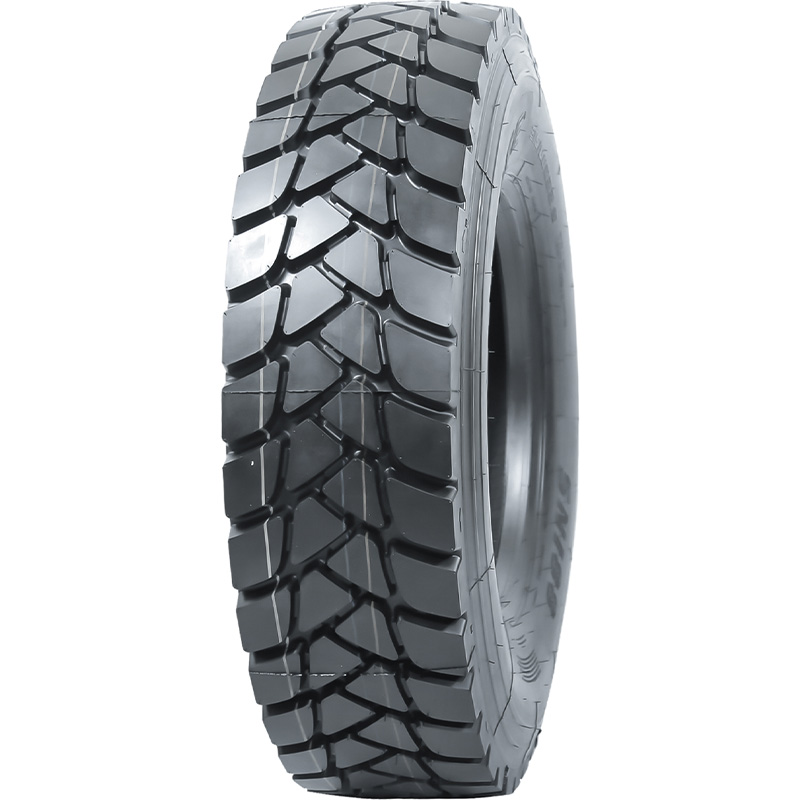
Mastering Tyre Pressure for Optimal Road Performance
Maintaining precise tyre pressure stands as the most critical factor in semi-truck safety. Industry data consistently shows that under-inflation is the leading cause of premature tyre failure, leading to excessive heat buildup and structural breakdown of the tyre carcass. For operators, the rule is simple: always adhere to the manufacturer-specified PSI when the tyres are cold. Relying on an accurate, calibrated gauge during pre-trip inspections prevents the "hidden" damage that occurs when sidewalls flex excessively under heavy loads. Consistent pressure monitoring does more than prevent blowouts; it dramatically improves fuel efficiency and reduces the rolling resistance that taxes an engine over long-haul routes.
The Science of Tread Depth and Traction Control
Tread depth is not just about passing a Department of Transportation (DOT) roadside inspection; it is the fundamental barrier between a truck and a potential accident. As a tyre wears, its ability to channel water away from the contact patch diminishes, significantly increasing the risk of hydroplaning. Experienced fleet managers know that relying on the "minimum legal limit" is a reactive approach. Instead, proactive replacement based on tread wear patterns—such as identifying uneven shoulder wear—often signals deeper mechanical issues like misalignment or suspension fatigue. Ensuring a uniform tread depth across all axles provides the necessary bite for emergency braking, which is essential when navigating complex urban environments or unpredictable highway conditions.
Decoding Wear Patterns for Proactive Maintenance
Visual inspections tell a story that every driver and fleet manager must learn to read. Uneven wear patterns, such as scalloping or cupping, are classic symptoms of wheel imbalance or incorrect alignment. When tyres exhibit one-sided wear, it indicates that the mechanical components of the truck are straining the rubber in ways it was not designed to handle. A professional approach involves rotating tyres in a structured, patterned sequence to distribute wear evenly, extending the functional lifespan of the investment. By identifying these early warning signs during daily check-ups, operators can address minor mechanical faults before they necessitate expensive, emergency roadside service calls.
Load Management and Structural Integrity
Safety extends beyond the rubber itself; it encompasses how cargo is distributed. Overloading a trailer creates stress points that even the most robust industrial tyres cannot withstand over the long term. When loading, heavy items must be placed at the base to ensure a low center of gravity, with weight evenly distributed across the axle groups. A tyre’s load rating is an absolute threshold, not a suggestion. Consistently exceeding these limits causes irreversible fatigue in the tyre beads and sidewalls, making the unit susceptible to sudden failure under stress. Proper load distribution ensures that each tyre operates within its engineered capacity, maintaining the stability of the entire rig.
Investing in Quality to Enhance Fleet Reliability
The long-term safety and profitability of any transport operation are inextricably linked to the quality of the equipment selected. High-performance tyres undergo rigorous X-ray and dynamic balance inspections during production to ensure structural consistency from the start. Choosing products that comply with international standards—such as DOT, ECE, and ISO 9001 certifications—provides an essential layer of assurance against manufacturing defects. Sunote integrates these comprehensive quality control measures into its supply chain, ensuring that every tyre supplied is built to handle demanding industrial conditions. By prioritizing durable, certified solutions, businesses reduce downtime and protect their drivers, turning safety into a sustainable competitive advantage.