EN
EN
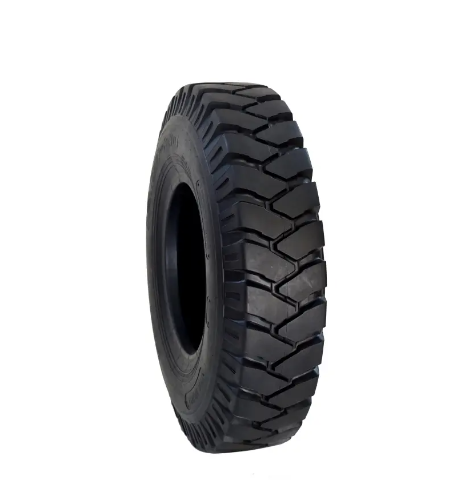
Why One-Size-Fits-All Fails: The Case for Custom Semi Truck Tyres
Performance Tradeoffs in Standard Tyres Across Traction, Fuel Efficiency, and Mileage
Standard semi truck tyres force fleets into unavoidable compromises across critical performance metrics. Tyres optimized for highway traction typically sacrifice 5–7% in fuel efficiency due to higher rolling resistance. Conversely, low-rolling-resistance designs often reduce mileage lifespan by up to 20% under mixed-terrain conditions. These tradeoffs are systemic—not incidental—because generic engineering cannot simultaneously maximize grip, efficiency, and longevity.
| Performance Attribute | Tradeoff Impact | Typical Variance |
|---|---|---|
| Traction Optimization | ↑ Rolling Resistance | Fuel Efficiency ↓ 5–7% |
| Fuel Efficiency Focus | ↓ Tread Depth & Heat Resistance | Mileage Lifespan ↓ 15–20% |
| Mileage Maximization | ↓ Flexibility & Wet-Grip Compound | Traction Safety Risks ↑ |
Custom semi truck tyres resolve this tripartite tension by aligning design parameters—tread, compound, and construction—to actual duty cycles, eliminating forced tradeoffs before they impact operations.
Real-World Fleet Data: How Generic Tyres Increase Downtime and Operating Costs
Fleets using non-specialized tyres experience 15% higher unscheduled downtime, per 2023 industry benchmarks from the American Trucking Associations (ATA). This stems largely from premature wear in mismatched applications: regional haulers deploying highway tyres on gravel routes see 30% faster sidewall degradation. The resulting maintenance ripple effect costs an average 100-truck fleet $740,000 annually in avoidable repairs, labour, and idle time (Ponemon Institute, Fleet Operational Risk Report, 2023). Custom solutions eliminate these hidden expenses—not by adding cost, but by removing misalignment between tyre specification and real-world use.
Core Customization Levers: Tread, Compound, and Construction
Tread Pattern Engineering for Terrain-Specific Grip and Wear Resistance
Tread pattern is the first line of defence against terrain-specific failure modes. Aggressive, deep-grooved lug patterns excel off-highway by ejecting mud, gravel, and debris while resisting stone drilling. Highway ribbed patterns minimize contact patch deformation, improving fuel economy by 4–7% compared to mixed-service designs. Directional treads—validated in a 2023 Tire Technology Journal study—reduced wet-surface accidents by 19% versus symmetric alternatives, thanks to consistent water evacuation channels.
Key application-specific considerations include:
- Winter terrains: Siping density ≥ 40 per inch ensures reliable ice grip without sacrificing dry-road stability
- Groove depth: 18/32" for gravel-heavy regional routes; 22/32" for deep-mud or logging applications
- Pitch sequencing: Variable block arrangements cut highway noise by 3–5 decibels—critical for driver retention and compliance with municipal noise ordinances
Advanced Rubber Compounds Balancing Heat Dissipation, Flexibility, and Longevity
Rubber chemistry defines how a tyre responds to thermal, mechanical, and environmental stress. High-silica compounds improve wet-braking distances by 12%, but at the expense of ~15% treadwear life—making them ideal for safety-critical urban delivery fleets, not long-haul mileage-focused operations. Natural rubber-dominant blends retain elasticity down to -20°F, a non-negotiable requirement for carriers operating in Alaska or the Upper Midwest. Heat-resistant polymers infused with carbon nanotubes—certified by the Rubber Manufacturers Association (RMA) in 2022—dissipate 37% more thermal energy than conventional compounds, directly reducing blowout risk during extended climbs or heavy braking.
CAS (Cut and Chip Resistance) ratings below 200 signal vulnerability in high-impact environments like mining or quarry hauling—where custom compounds with reinforced filler systems extend service life by up to 30%.
Reinforced Carcass Designs for Load Integrity and Sidewall Durability
Internal architecture determines structural resilience under load and impact. Steel-belted radial construction withstands 20% higher impact forces than bias-ply equivalents—essential for drayage and port operations where curbs, potholes, and uneven pavement dominate. Two-ply sidewalls prevent flex-cracking under sustained 80,000-lb loads, while high-tensile bead bundles anchor the tyre securely to the rim during steep-grade acceleration or braking.
| Feature | Standard Tyre | Custom Heavy-Haul | Benefit |
|---|---|---|---|
| Belt Ply Count | 4 | 6–8 | 35% fewer road hazard failures |
| Bead Bundle Tensile | 3,500 psi | 5,200 psi | Prevents rim-slippage on grades |
| Sidewall Thickness | 15mm | 22mm | Reduces cut incidents by 41% |
A 2024 Fleet Maintenance Report confirmed that fleets using load-specific carcasses reduced blowout-related downtime by 27%, saving an average of $740,000 annually—validating carcass engineering as a direct ROI lever, not just a durability feature.
Matching Custom Semi Truck Tyres to Operational Realities
Heavy-Haul, Regional Delivery, and Off-Highway Applications: Distinct Design Priorities
Operational demands—not marketing categories—dictate optimal tyre design. Heavy-haul operations transporting oversized or overweight loads require tyres with reinforced belt packages, elevated load indices (e.g., 170–180), and heat-dissipating internal geometry to prevent structural fatigue under sustained stress. Regional delivery fleets, characterized by frequent stops, moderate speeds, and predominantly paved routes, benefit most from low-rolling-resistance compounds, optimized ribbed treads, and rapid-cooling carcass designs that manage heat buildup from repetitive braking. Off-highway applications—including construction, logging, and agriculture—demand aggressive, self-cleaning lug patterns with deep grooves (≥22/32"), robust shoulder reinforcement, and cut-resistant compounds to maintain traction and resist stone retention.
Ignoring these distinctions doesn’t just shorten tyre life—it degrades braking consistency, increases rollover risk on uneven ground, and inflates total cost of ownership through avoidable replacements and downtime.
Implementing Customisation Strategically in Fleet Management
Strategic implementation begins with operational clarity—not product brochures. Fleet managers must conduct granular audits of route profiles (pavement type, elevation change, weather exposure), payload distribution (loaded vs. empty miles, weight variance), and service intervals. This data reveals where standard tyres underperform: e.g., excessive shoulder wear on winding mountain routes signals a need for enhanced sidewall integrity, not just deeper tread.
Phased rollout delivers measurable value without operational disruption: prioritize high-impact segments first—such as heavy-haul rigs or winter-service vehicles—then scale based on verified KPIs including tread wear rate (measured via digital tread depth scanners), fuel consumption delta (per EPA-compliant telematics), and unplanned roadside events. Partnering directly with OE-certified tyre engineers—not just distributors—ensures specifications reflect field-tested performance requirements, not theoretical best practices. When done right, custom tyre strategy shifts from a procurement decision to a core element of fleet reliability, safety, and competitive differentiation.
FAQ Section
Why don’t standard tyres work well for all semi-truck applications?
Standard tyres are designed to balance performance metrics like traction, fuel efficiency, and mileage, but they often require tradeoffs that compromise one or more of these factors.
How do custom tyres improve fleet operations?
Custom tyres mitigate tradeoffs by aligning design elements like tread pattern, compound, and construction with specific operational conditions, reducing downtime and operating costs.
What should fleet managers consider when choosing custom tyres?
Fleet managers should evaluate route profiles, payload distribution, and terrain types to select tyres optimized for their unique operational requirements.
Can customising tyres save costs?
Yes, custom tyres reduce premature wear, downtime, and maintenance costs, ultimately improving a fleet’s ROI and reliability.