
 EN
EN


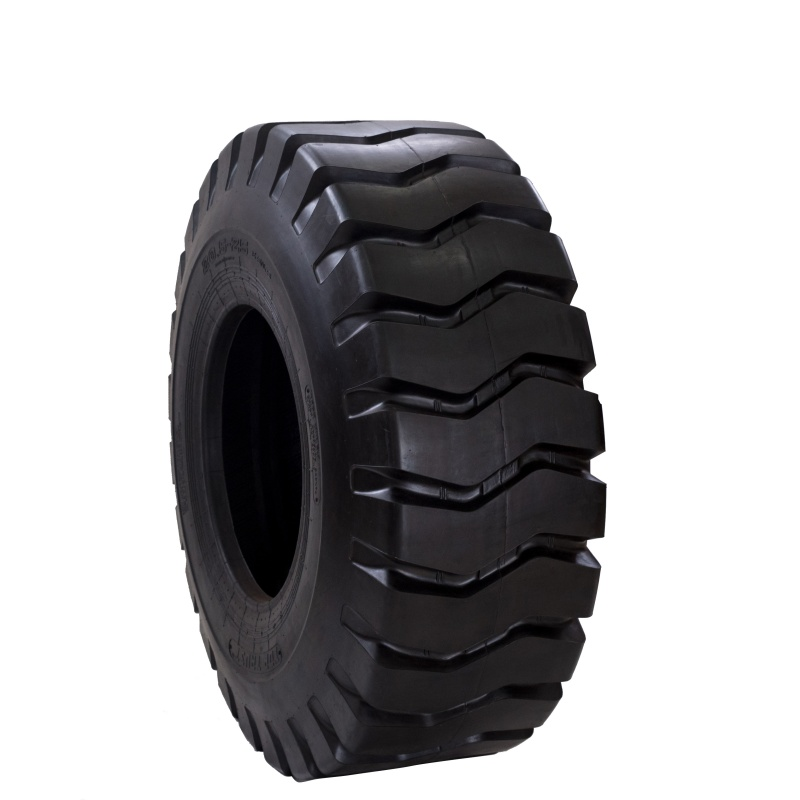
Understanding Key Causes of Tyre Wear in Dump Trucks
Impact of Driving Conditions on Tyres for Dump Truck
The tough conditions under which vehicles operate have a real impact on how long tyres last. Take dump trucks going up those steep mine ramps - they wear out their treads about 27% quicker than when driving on flat ground because the sidewalls keep flexing so much. Hot weather is another problem for rubber components. Research published last year indicates that when temperatures climb past 30 degrees Celsius, the rate at which rubber breaks down triples with each additional 10 degree rise. And then there's all that mud. When trucks spend hours in muddy conditions, tiny bits of grit get stuck in the tread patterns. These embedded particles gradually wear away at the tyre structure, making them weaker over time until eventually they fail completely.
How Overloading Accelerates Tyre Degradation
Going over load limits by just 20% can make tyres generate around 35% more heat inside the casing, which really ups the chances of belt separation problems. When we look at mining operations specifically, those overloaded tyres get hit much harder. The tread cuts from rocks end up being about 40% deeper than what we see on properly loaded equipment. All this extra strain tends to cause sidewall blowouts somewhere between six to eight months into operation, way before the normal lifespan of twelve to eighteen months that most operators expect. For mine managers keeping track of their fleet maintenance schedules, these kinds of premature failures add up fast.
The Role of Terrain and Surface Abrasiveness in Mining Environments
Roads made from granite or quartz in mining operations tend to eat away at tire treads about three times quicker compared to what happens on limestone surfaces. According to data from the latest Mining Fleet Analysis in 2024, dump trucks working in copper mines where there's lots of volcanic rock need new tires almost 2.5 times as often as their counterparts hauling coal. When it rains, things get even worse because all that broken rock turns into something like wet sandpaper across the road surface. This creates serious problems for tire shoulders which start wearing out much faster, cutting down how long each set of tires lasts before needing replacement.
OEM vs. Aftermarket: Are Premium Tyres for Dump Truck Worth It?
Third-party testing shows premium tyres last 53% longer before reaching removal criteria under comparable conditions. Despite a 45% higher initial cost, their multi-layer steel belts and silica-enhanced tread compounds reduce heat-related failures by 60%. Operators report payback within 18 months due to extended service intervals and reduced unplanned downtime.
Proactive Maintenance Strategies to Extend Tyre Life
Effective tyre maintenance is critical for maximizing the lifespan of tyres for dump truck in demanding mining and construction environments. According to a 2024 analysis by a leading industrial research firm, fleets with structured maintenance programs reduced premature replacements by 38% and lowered operational costs by $0.12 per ton hauled.
Tire Rotation and Inspection Schedules for Optimal Performance
Rotating tyres every 500–800 operating hours ensures even tread wear, especially in dual-wheel setups where 67% of irregular wear occurs on inner tyres (Mining Fleet Efficiency Report, 2023). This should be paired with biweekly inspections for:
- Sidewall cracks deeper than 3mm
- Tread depth variations exceeding 15% between tyres
- Embedded debris in tread grooves
Early detection helps prevent minor issues from escalating into catastrophic failures.
Essential Maintenance: Pressure, Alignment, and Cleaning for Tyres for Dump Truck
Cold inflation pressure must stay within ±3 psi of OEM specifications. Underinflation increases rolling resistance by 20% and raises internal temperatures by up to 50°C. Post-shift cleaning removes embedded abrasives that accelerate rubber degradation, while pH-neutral cleaning solutions protect polymer integrity and prevent chemical damage.
Timely Repairs and Retreading: Cost-Effective Ways to Reduce Wear
Vulcanized patching of minor cuts under 25mm can extend tyre life by over 2,000 hours. Advanced retreading processes restore up to 90% of new tyre performance at 30–50% of replacement cost, making it a proven strategy for reducing lifecycle expenses.
Leveraging Technology for Real-Time Tyre Monitoring and Management
Proactive Tyre Monitoring in Smart Mining Fleets
Sensors connected to the Internet of Things are now being built into dump truck tires, tracking around 15 different factors such as how much stress builds up in the tire walls, what angle they bend under load, and the actual twisting forces applied during operation. According to a recent study from Heavy Equipment Maintenance Report (2023), this detailed information allows technicians to spot abnormal tire wear patterns about 12 percent sooner compared to just looking at them visually. Down under in Australia's iron ore mining regions, companies that implemented these smart monitoring systems reported cutting their unexpected tire problems down by roughly 41%. The savings add up fast when trucks stay on the road instead of sitting idle waiting for replacements.
Real-Time Pressure and Temperature Alerts for Tyres for Dump Truck
Continuous monitoring prevents two major failure modes:
| Risk Factor | Threshold Alert Range | Intervention Window |
|---|---|---|
| Underinflation | 15% below OEM specification | < 48 hours |
| Overheating | 175°F (79°C) sustained | < 2 operating hours |
Wireless sensors transmit updates every 90 seconds, and industry studies show fleets using automated alerts experience 28% fewer blowouts than those relying on manual checks.
Case Study: 30% Reduction in Tyre Wear Using TMT in an Australian Iron Ore Mine
A Tier-1 operator deployed Tyre Monitoring Technology (TMT) across 78 ultra-class dump trucks. Tread depth scanners and sidewall cameras identified:
- 340 early-stage rock cuts (░1.5” deep)
- 67 carcass ply separations
- 212 uneven wear hotspots
Corrective actions extended average tyre lifespan from 7,200 to 9,360 operating hours over 18 months, saving $2.1 million annually (Mining Operations Quarterly, 2024).
Integration with Fleet Management Software for Predictive Maintenance
Advanced platforms correlate tyre data with vehicle telematics—payload weights, braking patterns, and route topography—to predict remaining tread life with 7% accuracy. Key benefits include:
- Dynamic rotation schedules based on real-time wear rates
- AI-powered retread viability assessments completed 40% faster
- Fleet-wide heat maps identifying high-risk haul road segments
This integrated approach helped a Chilean copper mine reduce premature replacements by 19% while maintaining 98.3% operational availability across a mixed-brand fleet.
Selecting Durable Tyres for Dump Truck: Materials, Design, and Performance
Advanced Rubber Compounds That Reduce Heat Buildup and Tread Cracking
Modern tyres for dump truck use high-silica rubber compounds that reduce heat buildup by up to 20% compared to traditional materials, according to material science studies. These formulations also resist thermal degradation and significantly reduce tread cracking, a common failure mode in high-heat mining environments.
Steel-Belted vs. All-Terrain Compound Tyres: Which Lasts Longer?
Steel-belted tyres offer superior puncture resistance, making them ideal for rocky terrains, while all-terrain compounds provide better flexibility on mixed or graded surfaces. Independent tests show steel-belted designs last 15% longer under extreme loads, though all-terrain variants improve fuel efficiency on smoother haul roads.
Innovations in Heavy-Duty Tyre Design for Mining and Construction
Recent advancements include multi-layer steel belts and reinforced sidewalls, boosting durability by 30% in abrasive conditions. Some models feature adaptive tread patterns that self-clean, minimizing debris retention and wear in muddy or loose-surface mines.
Key Takeaway: Material choice and structural design are critical to longevity, with thermal-resistant compounds and steel reinforcements proving most effective in harsh operational settings.
Optimizing Tyre Lifespan Through Data-Driven Fleet Management
Best Practices in Tyre Lifecycle Management for Mining Trucks
Centralized data platforms now support 60% of mining fleets in unifying tyre maintenance, fuel efficiency, and operational metrics (Dynamics Solution 2025). Key protocols include:
| Practice | Impact |
|---|---|
| Monthly wear pattern audits | 22% reduction in irregular tread wear |
| Temperature-controlled storage | 18% slower rubber oxidation (Ponemon 2023) |
| Fleet-wide pressure standardization | $740k/year savings from fuel optimization |
Fleets using predictive wear modeling report 31% fewer premature replacements compared to reactive approaches.
Data-Driven Decisions: Extending Tyre Lifespan by 40% in a Chilean Copper Mine
A Tier-1 copper mine leveraged IoT sensors and machine learning to analyze:
- Real-time load distribution
- Haul road roughness (measured in J/m²)
- Retread suitability scoring
By processing over 12,000 data points per tyre, the operation optimized rotation schedules and pressure settings, reducing chunking and tearing incidents by 67% while maintaining 98.5% payload compliance.
Balancing Cost: Higher Initial Investment vs. Long-Term Savings in Premium Tyres
Lifecycle analysis shows ultra-premium tyres deliver 19% lower cost-per-hour despite 28% higher upfront costs (Mining Tire Report 2024). Key advantages include:
- 41% longer service life in high-abrasion environments
- 83% retread viability versus 52% for economy-grade tyres
- $18,000 per tyre saved through reduced unplanned downtime
Fleets combining sensor-based management with premium compounds achieve ROI within 7–11 months in 92% of tracked operations.
FAQs
Why do dump truck tyres wear faster on mine ramps?
Steep mine ramps cause the sidewalls to flex excessively, resulting in quicker tread wear compared to flat terrains.
How does hot weather affect tyre performance?
High temperatures lead to accelerated breakdown of rubber components, tripling the rate of wear for every 10-degree increase above 30°C.
Are premium tyres worth the investment for dump trucks?
Premium tyres offer longer life and fewer heat-related failures, with payback reported within 18 months despite higher initial costs.
How can tyres for dump trucks be maintained to extend their lifespan?
Structured maintenance programs can reduce premature replacements and operational costs, including regular rotation, inspection, pressure maintenance, cleaning, and timely repairs.
Table of Contents
- Understanding Key Causes of Tyre Wear in Dump Trucks
- Proactive Maintenance Strategies to Extend Tyre Life
- Leveraging Technology for Real-Time Tyre Monitoring and Management
- Selecting Durable Tyres for Dump Truck: Materials, Design, and Performance
- Optimizing Tyre Lifespan Through Data-Driven Fleet Management
- FAQs